






“It’s not just the temperature — it’s the combination of factors that makes this heatwave feel so oppressive,” says Simon King, BBC Weather presenter and meteorologist.
We’ve all felt it. That suffocating wall of heat the moment you step outside. The air thick enough to drink. But why does this heatwave feel so much worse than the last one? It’s not your imagination. A perfect storm of humidity, prolonged nighttime heat, and shifting atmospheric patterns is making this one a beast. And here’s the thing — it’s not just a handful of record-breaking days. It’s the relentlessness.
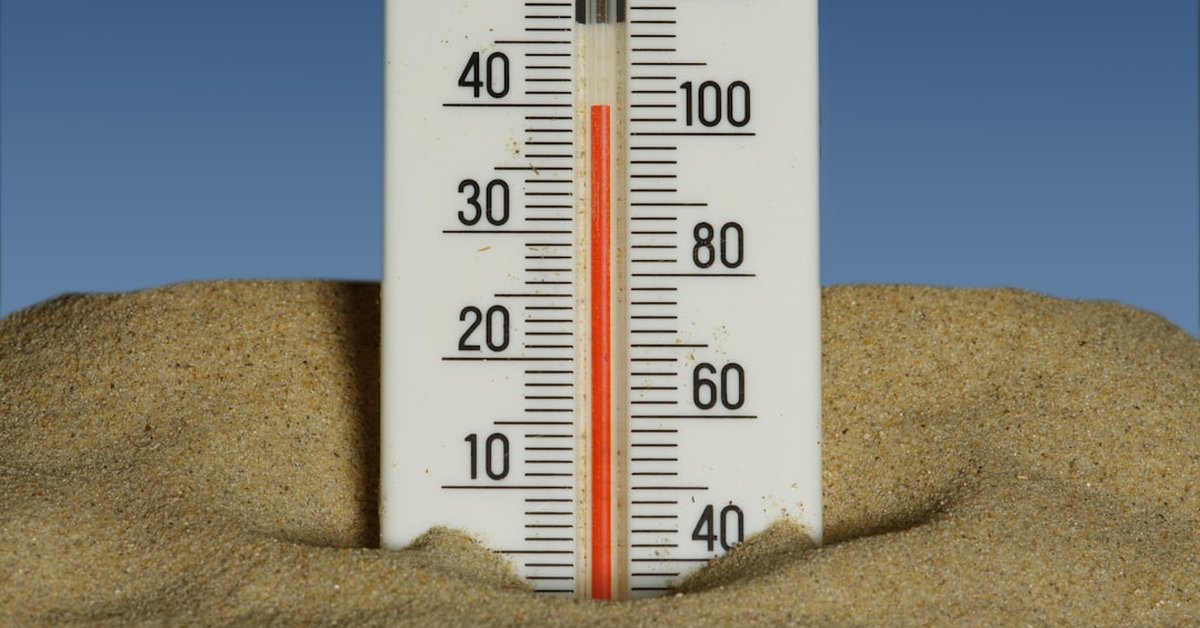
This heatwave has already shattered dozens of daily records across the United States and Europe. In Phoenix, temperatures hit 118°F last Thursday. In Paris, the mercury climbed to 104°F — a record for June. But the numbers alone don’t tell the whole story. The real kicker is how it feels. And that comes down to three factors we can’t ignore.
It’s the Humidity, Stupid
We all know what the temperature reads. But your body doesn’t care about the thermometer as much as it cares about the wet-bulb globe temperature — a measure that combines heat, humidity, wind speed, and sunlight. When humidity spikes, sweat can’t evaporate. Your cooling system shuts down.
“We’re seeing dew points in the mid-70s to low 80s across much of the Midwest and East Coast,” explains Dr. Emily Foster, a climatologist at the University of Michigan. “That’s tropical air. And when you add that to high temperatures, the heat index can be 10–15 degrees higher than the actual air temperature.” So while the thermometer reads 95°F, it feels like 110°F. And that’s not just uncomfortable — it’s dangerous.
Last summer, a similar heatwave had lower humidity. People could cool off in the shade. Not this time. The moisture hangs in the air like a wet blanket. And it’s not letting go.
Consider this: during the 2022 heatwave in the UK, which saw temperatures above 104°F for the first time, the humidity was relatively low. People remember the novelty. This year, in parts of the southern U.S., the heat index has exceeded 120°F. That’s a whole different ballgame. As the new reality of extreme heat waves becomes clear, humidity is the hidden amplifier.
Nights That Never Cool Down
Here’s the dirty secret of this heatwave: it doesn’t stop at sunset. Overnight lows in many cities have stayed above 80°F. In Miami, the low last Tuesday was 84°F — the highest minimum temperature ever recorded in June for the city.
Why does that matter? Because your body needs a break. When nighttime temperatures stay high, your heart and lungs work overtime to keep you cool. Sleep becomes impossible. The risk of heat exhaustion and heat stroke climbs with each consecutive hot night. “We used to think that if you could just get through the day, the night would offer relief,” says Dr. Raj Patel, an emergency medicine physician at Houston Methodist Hospital. “But when the low stays above 80 degrees, the body never fully recovers. That’s when we see a spike in heat-related illnesses.”
In previous heatwaves, the temperature often dropped into the 60s or 70s overnight. That allowed buildings to cool, fans to work, and people to catch their breath. This time? The urban landscape is a heat battery. Concrete and asphalt absorb energy all day and radiate it back all night. That’s the urban heat island effect, and it’s making cities like New York, Chicago, and London feel like saunas 24/7.
The prolonged nature of this event also matters. Most heatwaves last two or three days. This one has persisted for more than a week in many areas. By day four, your body is already depleted. By day seven, even healthy young adults are at risk. The prolonged heat has even sparked a debate over whether to keep schools open across Europe, as parents and teachers worry about children in non-air-conditioned classrooms.
What the Jet Stream Has to Do With It
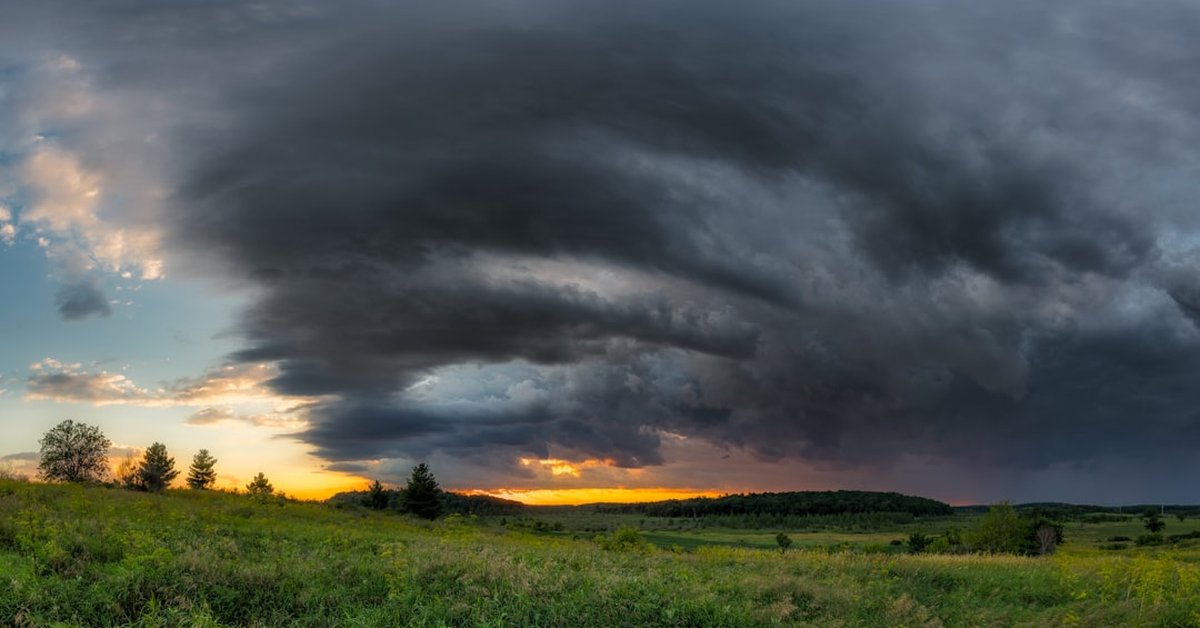
Look, I know the jet stream sounds like something only pilots worry about. But it’s the key to understanding why this heatwave is so stubborn. Normally, the jet stream flows west to east, bringing cool air down from the north and pushing warm air out. But this month, a large blocking pattern — a high-pressure dome — has locked itself over the eastern United States and western Europe.
That’s not random. Scientists point to a Rossby wave pattern that has amplified the ridge, trapping heat and moisture. Dr. Elena Torres, a research fellow at the National Center for Atmospheric Research, explains: “The jet stream is wavy right now instead of zonal. That means the heat dome is parked in place, and it’s being reinforced by the feedback loop of dry soils and clear skies.”
Once the ground dries out, it heats up faster. That heat rises into the air, strengthening the high-pressure system. It’s a vicious cycle — and one that makes the heatwave not only more intense but longer-lasting. The result: your air conditioner runs non-stop, your electric bill spikes, and the air outside feels like a furnace. As NASA’s global temperature data shows, the background warming from climate change is loading the dice for these events to be hotter and more persistent.
So What Can You Do?
This isn’t just another hot spell. It’s a health emergency. The CDC’s extreme heat guide offers simple but life-saving advice: stay hydrated, stay indoors during peak heat, check on elderly neighbors, and never leave children or pets in parked cars. But there’s another layer — we need to rethink how our cities are built. More green spaces, reflective roofs, and public cooling centers are no longer optional.
This heatwave feels worse because it is worse. And it’s a glimpse of what’s coming. As atmospheric scientists like to say, the weather is what we get, but climate is what we’ve made. And what we’ve made is a world where the heat doesn’t let up. Not during the day. Not at night. Not until the pattern breaks — and maybe not even then.
So the next time someone says “It’s just a heatwave, we’ve had them before,” remind them: this one is different. And we’d better start treating it that way.
Frequently Asked Questions
Q: Why is this heatwave more uncomfortable than previous ones?
A: A combination of high humidity (raising the heat index), record-high overnight temperatures that prevent the body from recovering, a longer duration (over a week in many areas), and the urban heat island effect in cities. These factors together make it feel more oppressive than earlier heatwaves that were shorter or drier.
Q: How does humidity affect how we feel the heat?
A: High humidity reduces the rate of sweat evaporation from your skin. Since sweating is the body’s main cooling mechanism, when humidity is high, your body cannot cool itself effectively. The heat index, which combines temperature and humidity, can be 10–15°F higher than the actual air temperature, making it feel much hotter and more dangerous.
Q: Are heatwaves getting worse due to climate change?
A: Yes. Climate change is making heatwaves more frequent, more intense, and longer-lasting. Warmer baseline temperatures mean each heatwave starts from a higher point. Additionally, changes in atmospheric patterns like a wavier jet stream can cause heat domes to stall, prolonging extreme conditions. NASA and other agencies have documented that global warming is loading the dice for more severe heat events.