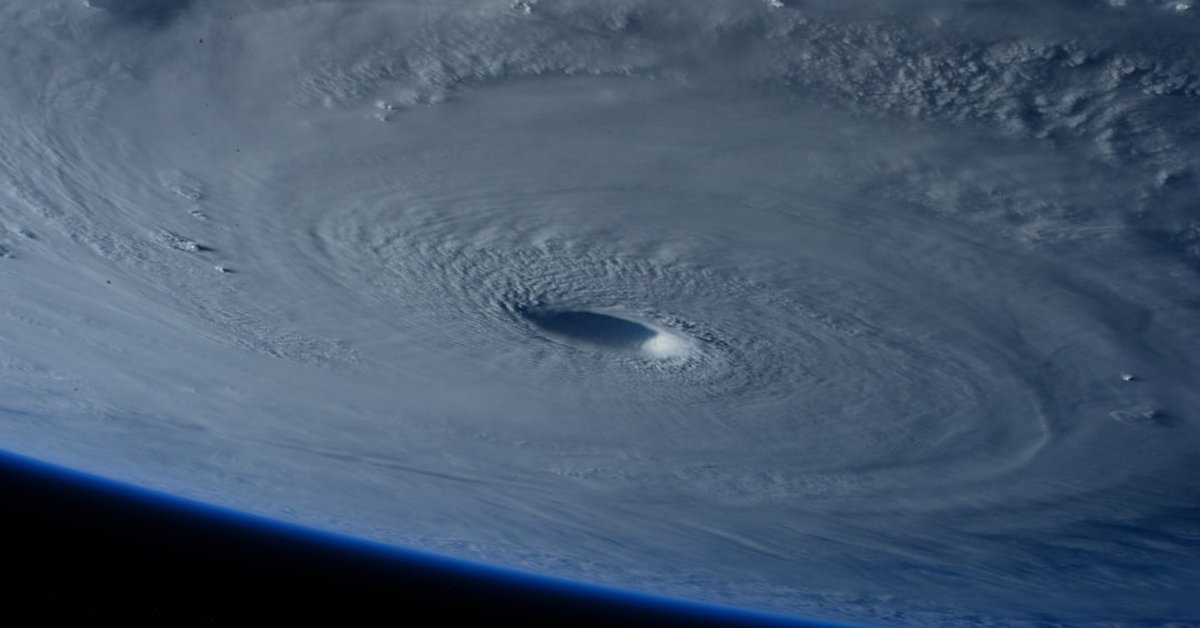








When Hurricane Maria devastated Puerto Rico in 2017, many survivors waited months for insurance claims. When Hurricane Ian hit Florida in 2022, delayed payouts still left thousands in limbo. Now, a new question is emerging: Could decentralized finance—better known as DeFi—offer a faster, more transparent way to deliver disaster relief?
The idea is gaining traction among climate adaptation specialists, who see blockchain-based systems as a way to automate payouts through parametric insurance. Instead of adjusting losses after a storm, these smart contracts trigger payments automatically when wind speeds or rainfall thresholds are met.
The Parametric Promise
Parametric insurance is not new. Governments and large corporations have used it for decades. But DeFi takes the concept further by removing intermediaries and enabling near-instant settlements. “We’re seeing a paradigm shift where capital can be deployed within hours of a disaster, not weeks,” says Dr. Elena Marchetti, a climate finance researcher at the University of Oxford.
In 2023, a pilot project in the Caribbean used a DeFi protocol to pay out smallholder farmers after a tropical storm. Within 48 hours of the event, funds were distributed via stablecoins. Traditional insurers had not yet processed a single claim.
“The blockchain provides an immutable record of weather data and triggers, which builds trust. People know the system isn’t going to renege on a claim because an adjuster is overwhelmed or biased.” — Dr. Elena Marchetti, University of Oxford
Lessons from History: Katrina vs. Ian
Compared to Hurricane Katrina (2005), where the federal relief process was widely criticized for inefficiency, Ian saw some improvements but still left gaps. The U.S. National Flood Insurance Program (NFIP) took an average of 67 days to close claims after Ian. DeFi proponents argue that smart contracts could reduce that to days.
But history also warns against overreliance. After the 2010 Haiti earthquake, mobile money transfers helped, but only for those with access. DeFi faces similar barriers. Smartphone penetration and internet connectivity remain uneven, especially in the most vulnerable regions.
Risks and Regulatory Roadblocks
Despite the optimism, DeFi in climate finance is still experimental. Volatile cryptocurrencies, regulatory uncertainty, and the risk of coding errors loom large. “If a smart contract has a bug, entire payout pools can be drained,” warns Jamal Carter, a blockchain risk analyst at ResilientTech. “We need rigorous auditing and a stablecoin that holds its value during a crisis.”
Moreover, regulators in the US, UK, and Canada are still grappling with how to classify DeFi products. The SEC has not issued clear guidance for parametric insurance tokens. Until that changes, large-scale adoption remains unlikely.
What This Means for Cyclone-Prone Regions
For readers in the Gulf Coast, the Atlantic provinces, or the UK’s storm-hit coasts, DeFi could eventually mean faster access to cash after a hurricane or flood. But it also requires a shift in mindset: trusting code over humans, and accepting that no system is perfect.
As climate change intensifies tropical storms, the need for rapid, equitable recovery grows. DeFi may not be a silver bullet, but it offers a tool worth watching—and building with caution.
The next time a major cyclone makes landfall, the real test will come not from the wind, but from whether the blockchain lives up to its promise.