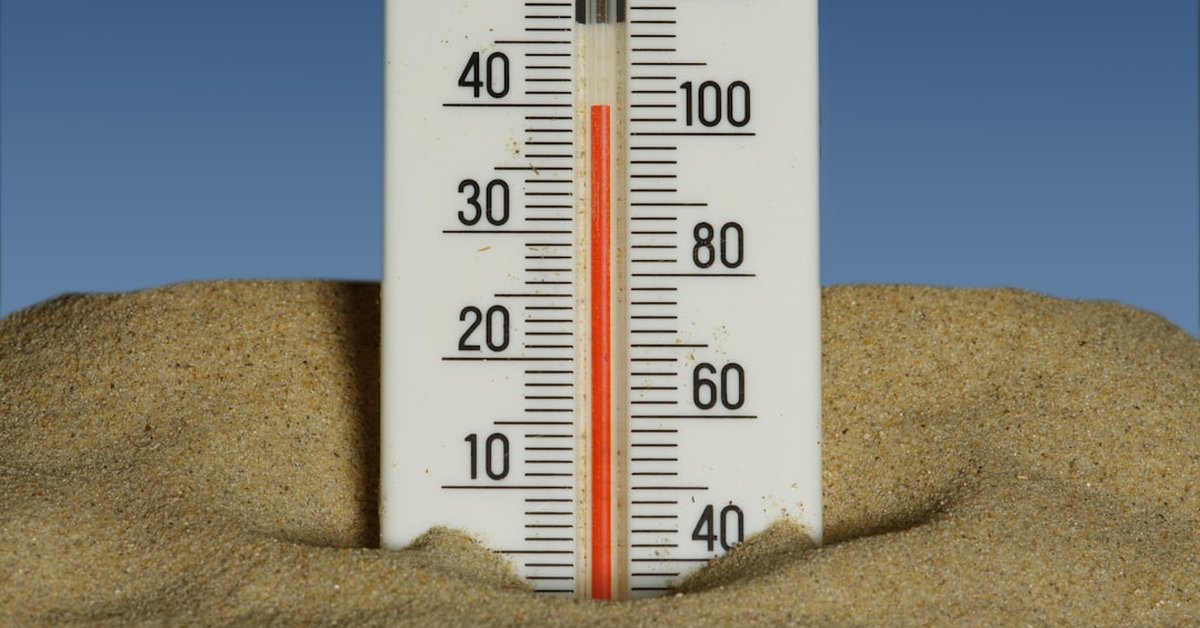







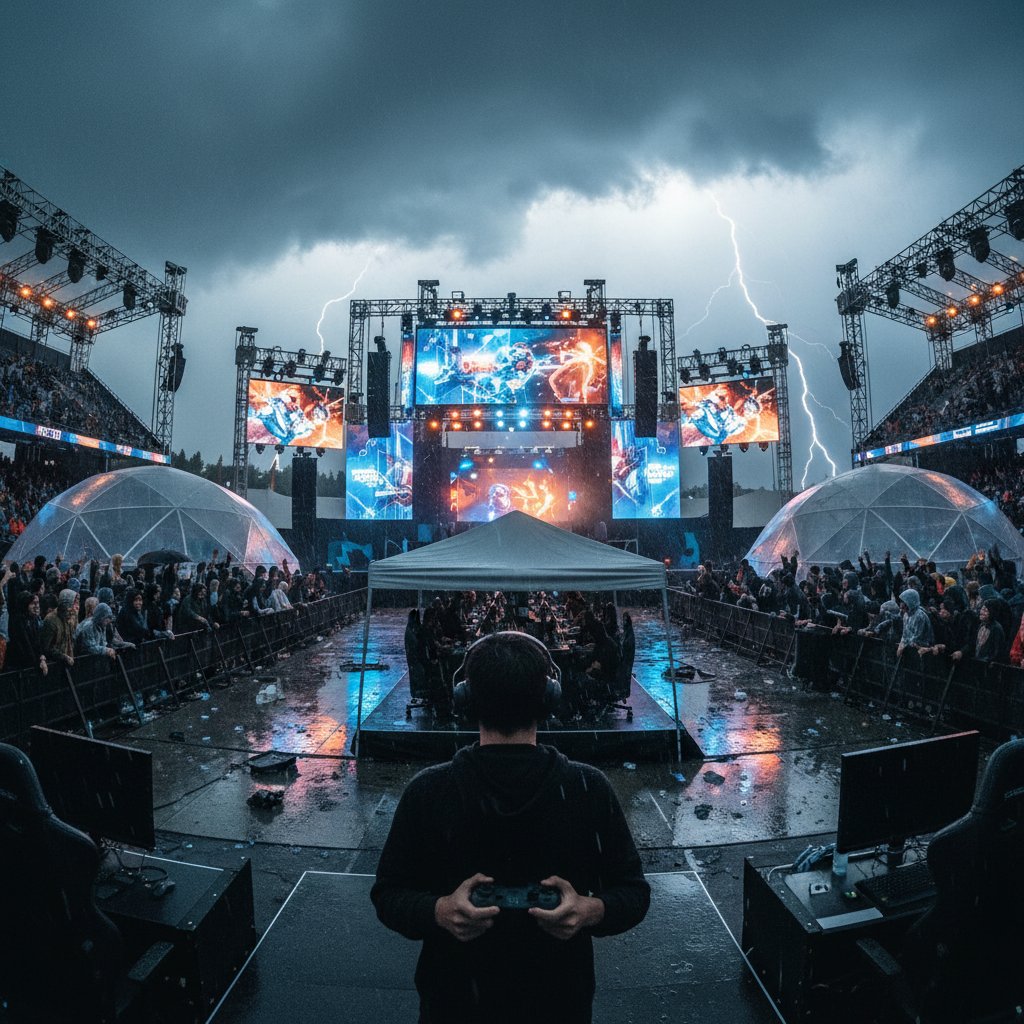
On a sweltering July afternoon in Dallas, thousands of eager fans packed into the Kay Bailey Hutchison Convention Center for DreamHack, one of North America’s largest gaming festivals. Screens blazed, keyboards clacked, and the arena roared with every clutch play. Then, the lights flickered. The A/C groaned and died. Outside, a heat dome had sent temperatures soaring past 105°F, straining the city’s power grid to its breaking point. Within an hour, the tournament was postponed. Players, many of whom had traveled hundreds of miles, sat in the sweltering dark, phones dying, wondering if their dream was over.
That scene from 2023 is no outlier. Across the globe, extreme weather is crashing the party—not just for outdoor sports, but for the booming, billion-dollar world of video games.
From esports tournaments to cloud gaming servers, the industry is suddenly confronting a reality that climate scientists have warned about for decades: weather doesn’t stay outside. It invades. It disrupts. It changes everything.
The Esports Arena: A New Frontline for Climate Disruption
Competitive gaming has grown into a multi-billion-dollar ecosystem, with live events drawing crowds rivaling traditional sports. But these arenas, often packed with thousands of bodies and heat-generating electronics, are fragile havens.
Hurricane Ian, in September 2022, forced the cancellation of the Florida Super Smash Con, stranding out-of-state competitors and costing organizers nearly $500,000 in lost revenue. In 2024, flash floods in Seoul submerged the basement venue of a major League of Legends qualifier, destroying $2 million worth of equipment. And just last month, wildfires in British Columbia prompted the evacuation of the Vancouver Gaming Expo, leaving 40,000 ticketholders scrambling for refunds.
“We’re seeing a pattern that’s impossible to ignore,” says Dr. Lena Park, a climate resilience expert at the University of British Columbia. “Indoor mega-events have always assumed they’re safe from weather. That assumption is now dangerous. Storms, heatwaves, and floods don’t care about your LAN cables.”
The financial toll is mounting. A 2024 report from the International Esports Federation estimated that weather-related disruptions cost the global competitive gaming industry over $120 million in the past three years alone. Insurance premiums for event organizers have jumped 40% since 2020, with many policies now explicitly excluding “climate-related cancellations.”
Data Centers Under Siege: The Backbone of Online Gaming
But it’s not just live events that suffer. The entire experience of modern gaming—streaming, matchmaking, cloud saves, digital storefronts—depends on vast data centers. And those centers are vulnerable.
During the 2023 Texas deep freeze, a major AWS data center in Dallas went offline for 11 hours. Millions of gamers from Austin to Anchorage found themselves staring at “Connection Lost” screens. Fortnite, Call of Duty, and even single-player titles like Baldur’s Gate 3—which rely on cloud authentication—became unplayable. The outage cost Epic Games an estimated $3 million in lost microtransaction revenue.
“Data centers are designed to withstand a certain range of temperatures and humidity,” explains Marcus Chen, director of infrastructure at a major cloud gaming provider who asked to remain anonymous due to company policy. “But these new extremes—like 120°F in the Pacific Northwest or floods in Arizona—we never planned for that. We’re retrofitting now, but it’s a race against time.”
In response, companies like Google and Microsoft are investing in “resilient edge servers”—smaller, distributed servers that can keep local networks running when central hubs fail. But the cost is staggering. Microsoft’s 2024 sustainability report revealed a $2.5 billion line item for “climate-hardening” its gaming infrastructure.
For the average player, the impact hits where it hurts most: reliability. A survey by the gaming analytics firm Newzoo found that 73% of players in the U.S. and Canada reported at least one weather-related game outage in 2024, up from 38% in 2019.
How Gamers Are Fighting Back—And Adapting
Some communities are turning disruption into resilience. In Miami, a group of gamers has formed “Storm Survivors,” a Discord server that coordinates backup power and internet for fellow players during hurricane season. They use portable generators, Starlink terminals, and shared hotspots to keep matches running—even when the city goes dark.
“When Hurricane Idalia hit last year, we had 200 people playing Elden Ring co-op on a generator in a parking garage,” says founder Javier Ruiz, a 28-year-old IT technician. “It’s not about ignoring the disaster. It’s about holding onto something normal.”
In Japan, where typhoons are an annual threat, Nintendo has begun offering free cloud saves for a week after any named storm. Sony’s PlayStation Network now sends push alerts with evacuation routes during extreme weather events in California. And in the UK, the British Esports Federation has published a “Weather-Ready Tournament Guide,” encouraging organizers to include backup venues, solar-powered charging stations, and evacuation plans.
“We can’t stop hurricanes or heatwaves,” says Dr. Park. “But we can change how we design these events. That means flexible schedules, indoor air filtration, and investing in microgrids. The gaming community is creative—they’ve solved lag, hackers, and server crashes. They can solve this too.”
Yet adaptation is not universal. In developing nations, where mobile gaming is exploding, the challenges are steeper. Floods in Bangladesh last year destroyed thousands of low-cost smartphones, wiping out players’ progress and savings. Without insurance or replacement programs, many simply quit.
The Long Game: What This Means for Every Player
For the casual gamer in the U.S., UK, or Canada, these trends mean one thing: unpredictability. Your Friday night raid might be canceled by a power outage two states away. Your favorite esports team might move to a virtual-only league because venues are too risky. And the price of your gaming subscription could quietly rise—to cover the costs of all that reinforced concrete and backup cooling.
At CES 2025, a major console manufacturer unveiled a “climate-adaptive” controller made from recycled materials, with a built-in battery that can last 72 hours during an outage. It’s a start. But the real fix, experts say, is systemic.
“We need to treat gaming infrastructure like critical infrastructure,” argues Marcus Chen. “Because for millions of people, it is. It’s not just entertainment—it’s community, mental health, and livelihood. When it goes down, people lose more than a match.”
As the planet warms and storms intensify, the gaming world—like every other—is being forced to level up. The next expansion pack isn’t downloadable. It’s resilience. And the high score is survival.