






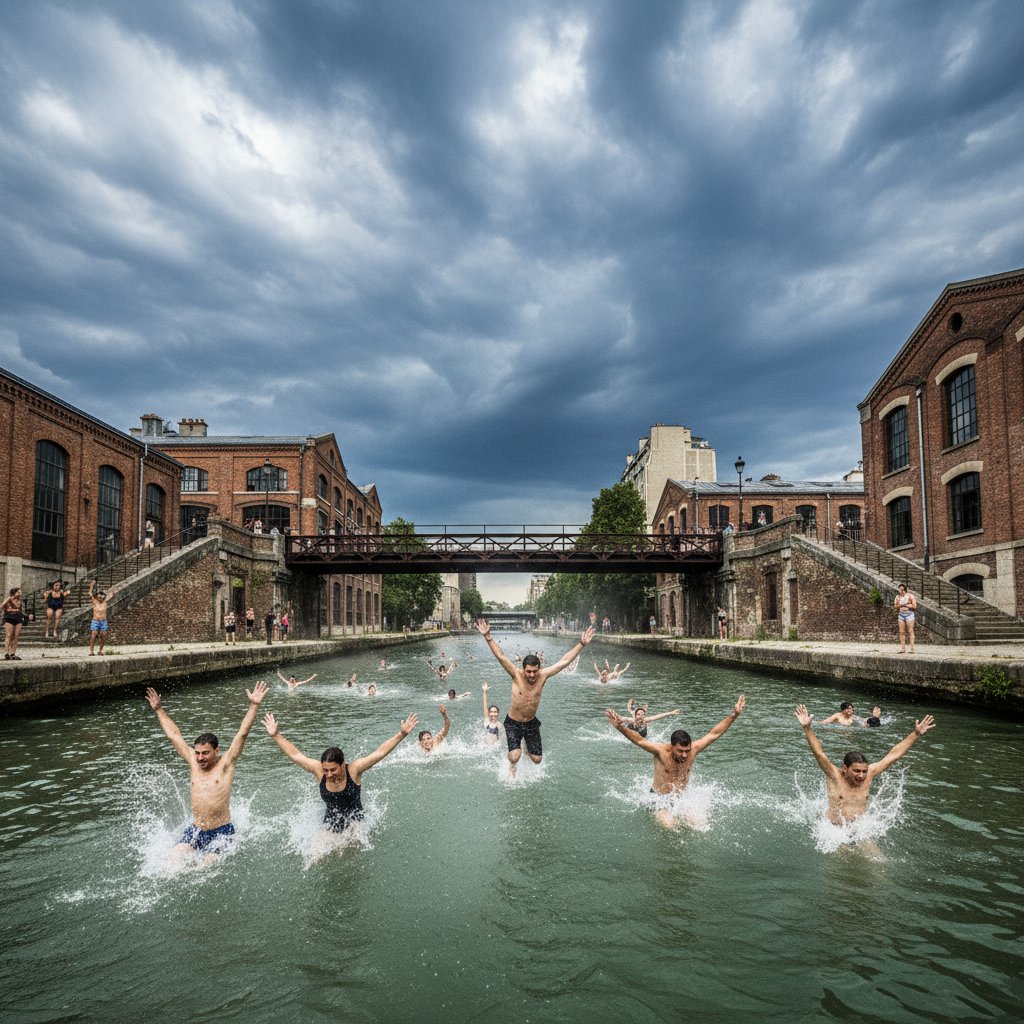
When a city like Paris hits 100°F, you expect people to find relief. You don’t expect them to turn a 200-year-old industrial canal into a municipal swimming pool. But that’s exactly what’s happening on the Canal Saint-Martin, where hundreds of Parisians are jumping into the murky water every afternoon. The city’s iconic limestone buildings are turning into heat traps, and the Seine — usually the obvious escape — is off-limits for swimming. So the canal has become the city’s unofficial cooling station. It’s a desperate, dangerous, and deeply human response to a heatwave that’s rewriting the rules of summer in Europe.
Let’s be clear: this isn’t a vacation scene. It’s a survival adaptation. And it comes with a body count. Across France, at least 40 people have drowned while trying to cool off in rivers, lakes, and canals this summer. That’s not a statistic. That’s a warning.
The Canal as Lifeline — and Liability
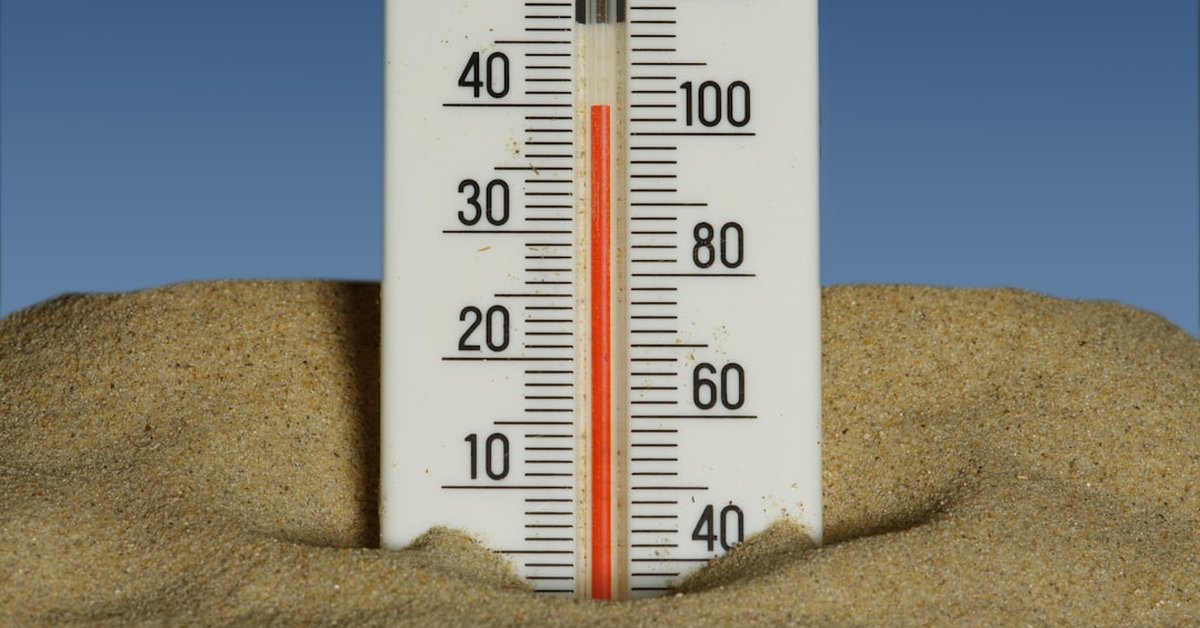
The Canal Saint-Martin runs for 4.5 kilometers through the 10th and 11th arrondissements, its locks and footbridges usually a quiet backdrop for tourists and joggers. Not anymore. Now, it’s a human sardine can. On July 18, temperatures hit 40.5°C (104.9°F) at Paris’s Montsouris weather station — the third-highest reading ever recorded in the city. By noon, the canal’s banks were packed. By 3 p.m., people were perched on the edges of the locks, dangling their legs over the green water. By 5 p.m., they were jumping in.
“I’ve lived here 15 years, and I’ve never seen anything like this,” says Claire Dubois, a 38-year-old teacher who brought her two children to the canal. “The apartment is an oven. The park is an oven. The canal is the only place where you can breathe.” She’s not wrong. The urban heat island effect in Paris can push nighttime temperatures 6-8°C higher than the surrounding countryside. And with many apartments lacking air conditioning — only about 5% of Parisian homes have it — the canal becomes a necessity, not a luxury.
But the canal isn’t a swimming pool. It’s a working waterway, 3 to 4 meters deep, with currents that shift unpredictably when barges pass through the locks. The water quality is monitored, but it’s not treated. And the city has posted no-swimming signs — which are being ignored by the hundreds.
“When you have a population that is literally overheating, signs don’t stop them,” says Dr. Antoine Lefèvre, a public health researcher at the Sorbonne University who studies heat-related mortality. “The real question is: why is the city not providing more safe, supervised cooling options? We’re seeing the same pattern in London, Madrid, Rome. The infrastructure wasn’t built for this climate.”
France has seen a 70% increase in heat-related deaths since 2000, according to Santé Publique France. And the drowning numbers are climbing in lockstep. In the first two weeks of July alone, 18 people drowned in French waterways — nearly all during heatwave days.
Why This Heatwave Feels Different
This isn’t just a hot spell. It’s a compound event — high temperatures, high humidity, and no nighttime relief. The UK just extended its red heat warning as it braces for a potential 39°C scorcher, and the same atmospheric setup is sitting over northern France. Why This Heatwave Feels Worse — And It’s Not Just You explains the science: a persistent omega block pattern is locking hot air over western Europe, and the humidity is making the wet-bulb temperature dangerously high. That means sweat doesn’t evaporate. Your body can’t cool itself. You overheat faster.
Parisians are feeling that in real time. “You walk outside and it’s like stepping into a hair dryer,” says Marc Leclerc, a 29-year-old bartender who took his lunch break at the canal. “I dunk my head every 10 minutes. That’s the only way I can make it through the shift.”
The canal offers a temporary fix, but it’s not a solution. And the city knows it. Paris has opened 1,200 “cool rooms” in public buildings and extended pool hours, but those facilities are overwhelmed. The Canal Saint-Martin is the only free, accessible water body in the city center — and it’s become a de facto swimming hole by default.
The Historical Parallel — and What It Means
There’s a grim historical echo here. During the 2003 European heatwave, which killed an estimated 70,000 people across the continent, Paris saw a 140% spike in mortality. The city was caught flat-footed. Morgues overflowed. The government didn’t have a heatwave plan. After that, France implemented a national heatwave warning system and opened cooling centers. But those systems are now being tested by temperatures that exceed 2003 levels in some areas.
“We’ve built a system for the heatwaves of the past,” says Dr. Lefèvre. “But the heatwaves of the present are breaking records every year. The gap between what we plan for and what we experience is widening.”
That gap is visible at the Canal Saint-Martin. The city has installed water misters in some parks and extended the hours of public pools, but the demand is far outstripping supply. And the canal — unsupervised, unguarded, and increasingly crowded — is where the overflow goes.
The drowning numbers tell the rest of the story. In July 2023, 32 people drowned in French waterways during a heatwave. This year, the count is already 40, and the heatwave isn’t over. Most victims are men over 50, often swimming alone or after drinking alcohol. But this year, there’s a new pattern: younger people, in groups, in urban canals.
“The Canal Saint-Martin is becoming a site of climate adaptation — and climate tragedy,” says Dr. Lefèvre. “We need to treat it as both.”
So what happens next? The city has announced plans to open a designated swimming area in the Canal de l’Ourcq, a larger waterway northeast of the city, by 2025. But that’s two years away. This summer, Parisians will keep jumping into the canal. Some will survive. Some won’t. And the heatwave will keep coming, year after year, until the city — and every city — builds infrastructure that doesn’t just react to heat, but lives with it.
For now, the Canal Saint-Martin is a mirror. It reflects what happens when a city designed for a 19th-century climate meets a 21st-century atmosphere. People adapt. They improvise. They dive in. And we count the bodies.
Frequently Asked Questions
Is it safe to swim in the Canal Saint-Martin?
No. The canal is not designated for swimming, has no lifeguards, and water quality is not monitored to swimming standards. Currents can be unpredictable, especially near locks. At least 40 people have drowned in French waterways during this heatwave.
Why don’t Parisians swim in the Seine?
Swimming in the Seine has been banned since 1923 due to pollution and strong boat traffic. The city is investing €1.4 billion to clean the river for the 2024 Olympics, with plans to open three public swimming areas by 2025 — but for now, it remains off-limits.
What is the city doing to provide cooling options?
Paris has opened 1,200 cool rooms in public buildings, extended pool hours, and installed water misters in parks. However, demand far exceeds capacity. A designated swimming area in the Canal de l’Ourcq is planned for 2025.