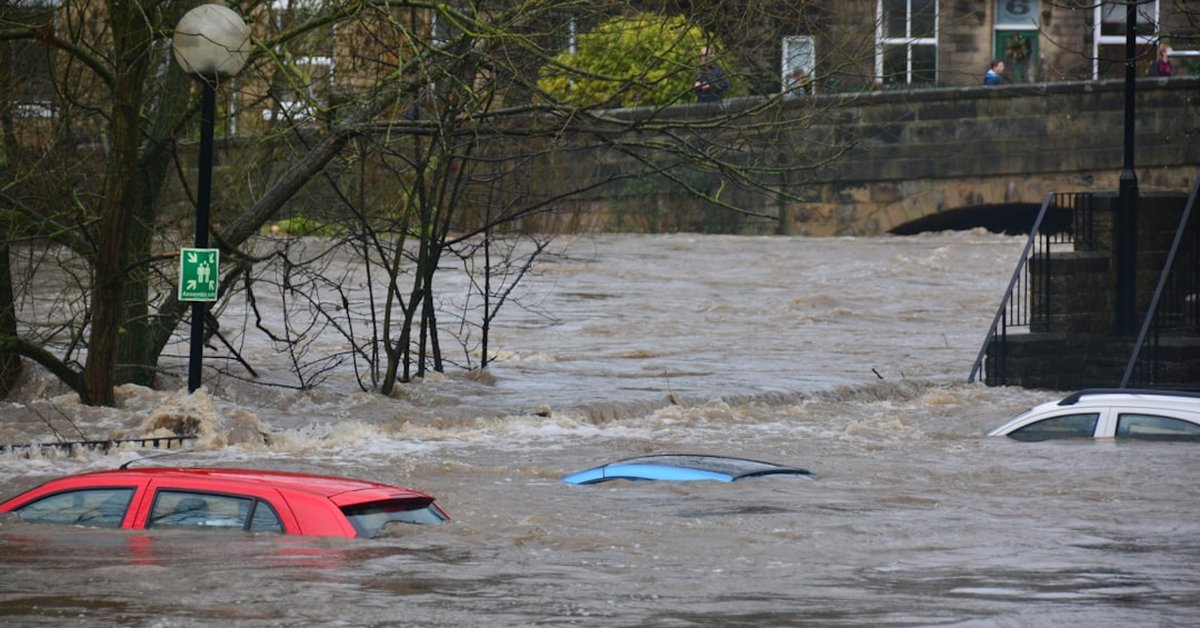






In a devastating turn of events, severe flooding has struck the municipality of Gulpen in the Netherlands, leaving 6,271 homes and businesses damaged or destroyed. The deluge, triggered by record-breaking rainfall over a 48-hour period, has submerged entire neighborhoods, claimed at least 12 lives, and forced the evacuation of thousands. This catastrophe recalls the deadly 2021 European floods that ravaged Germany and Belgium, underscoring a grim pattern of intensifying extreme weather across the continent.
A Historic Downpour: The Numbers Behind the Disaster
From July 14 to July 16, 2025, the Limburg region, including Gulpen, received over 200 millimeters (7.9 inches) of rain—nearly three times the monthly average for July. The Geul River, which winds through the area, swelled to its highest level in 50 years, cresting at 6.2 meters (20.3 feet) above normal. The Dutch Water Authority (Rijkswaterstaat) reported that water flow rates peaked at 1,500 cubic meters per second, overwhelming flood defenses designed for a 1-in-100-year event.
“This is not just a freak storm; it’s a signal that our climate models are underestimating the frequency of these extreme events,” said Dr. Maria van der Heijden, a hydrologist at Wageningen University. “The 6,271 figure represents more than just property—it’s a measure of community disruption on a scale we haven’t seen since the 1953 North Sea flood.”
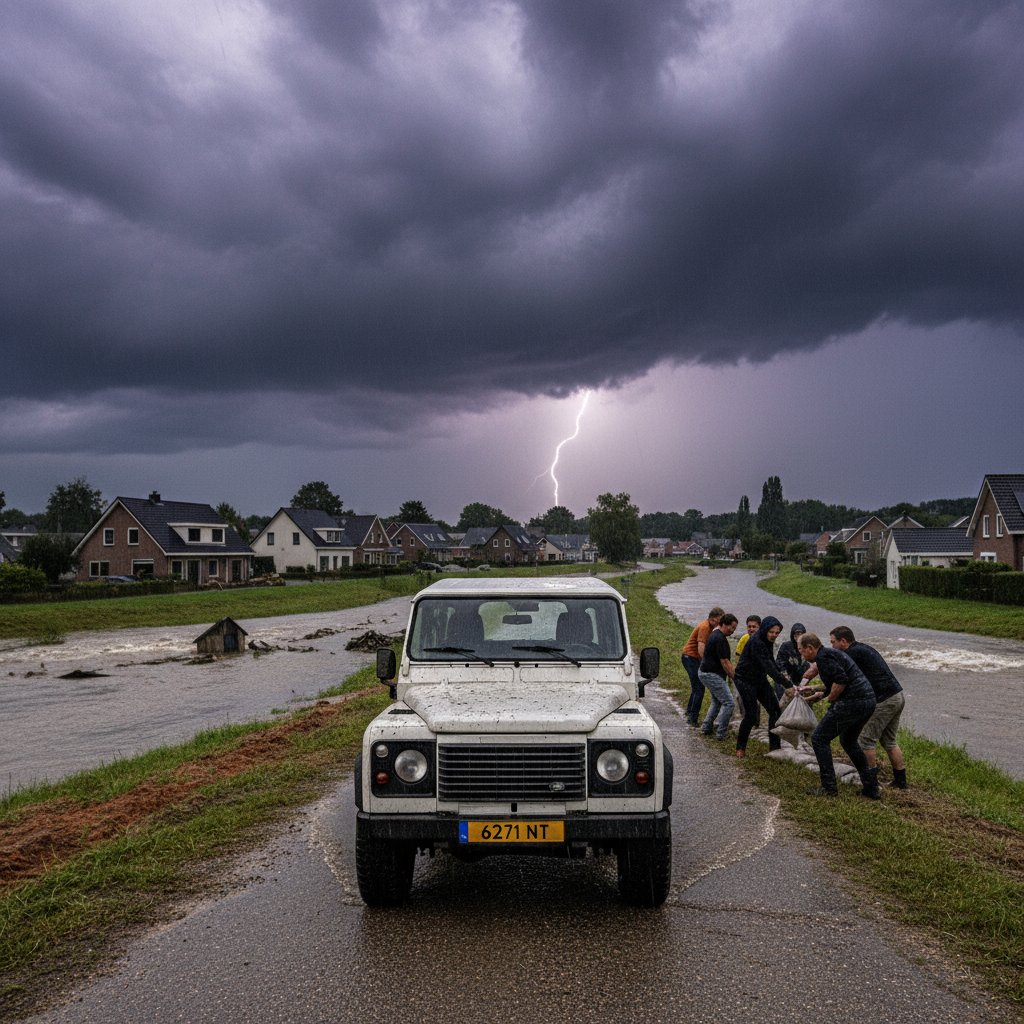
The flooding struck with little warning. Residents described walls of water rushing through streets in the early morning hours, trapping people in their homes. Emergency services conducted over 800 rescues, using boats and helicopters to pluck people from rooftops. The Dutch military deployed 2,500 troops to assist with sandbagging and evacuation efforts.
Historical Context: Echoes of 2021 and the Changing Climate
This event bears striking similarities to the catastrophic floods of July 2021, which killed 243 people in Germany and Belgium. In that disaster, the Ahr River basin saw rainfall totals of up to 180 millimeters in 24 hours. The Gulpen flooding, however, is even more concentrated: the 48-hour total of 247 millimeters at the nearby Maastricht weather station broke records dating back to 1901.
Climate scientists have long warned that a warmer atmosphere holds more moisture—about 7% more for every degree Celsius of warming. The Netherlands has warmed by 2.3 degrees Celsius since pre-industrial times, amplifying the risk of extreme precipitation. “We are seeing a shift from rare, once-in-a-generation events to something that could happen every decade or even every few years,” noted Dr. Hans van der Werff, a climate researcher at the Royal Netherlands Meteorological Institute (KNMI). “The 6,271 homes affected is a stark reminder that adaptation is no longer optional.”
The Dutch government has invested billions in water management, including the Room for the River program, which gives rivers more space to flood safely. However, the Gulpen disaster highlights a critical gap: many smaller towns and villages lack the robust defenses of major cities like Rotterdam. “We can’t build dikes high enough for every scenario,” said Jan van der Meer, a civil engineer and flood risk expert at Deltares. “We need to rethink land use—stop building in floodplains and invest in early warning systems that reach every household.”
Human Toll: Stories from the Ground
For the 12,000 residents of Gulpen, the flood has been a nightmare. In the village of Epen, where the Geul River meets the Gulp, 90% of homes were inundated. Elderly residents were particularly vulnerable; at least five of the fatalities were people over 70 who could not evacuate in time. “I’ve lived here all my life, 74 years, and I’ve never seen anything like this,” said local farmer Piet Janssen, whose barn and livestock were swept away. “The water came so fast. We lost everything—our home, our animals, our memories.”
The economic impact is staggering. Early estimates from the Dutch Insurance Association put damages at €2.5 billion, with claims expected to rise. Many homeowners lack flood insurance, as private policies often exclude “acts of God” or require government-backed coverage. The Dutch government has pledged €500 million in emergency aid, but officials warn that rebuilding could take years.
“This isn’t just about repairing houses; it’s about restoring a way of life,” said Mayor Liesbeth van der Heijden of Gulpen-Wittem. “We are a close-knit community, and we will rebuild, but we cannot do it alone. We need national support to make our infrastructure climate-resilient.”
What This Means for the Future: A Call to Action
The Gulpen flood is a harbinger for other regions. In the UK, where similar floods hit Yorkshire in 2023, and in the US, where Hurricane Helene devastated parts of North Carolina in 2024, the pattern is clear: extreme rainfall is becoming more common. For readers in North America and Europe, this event underscores the need to check flood risk maps, review insurance coverage, and prepare emergency kits. “The question isn’t if your community will face a flood like this, but when,” warned Dr. van der Heijden. “The 6,271 figure should be a wake-up call for policymakers worldwide.”
As cleanup begins in Gulpen, the Dutch parliament will debate new flood safety standards this week. Proposals include mandatory retrofitting of homes in high-risk zones, stricter building codes, and a national fund for climate adaptation. The coming months will test whether the Netherlands—long a leader in water management—can adapt to a future where the old rules no longer apply.