




Nobody is talking about this, but here’s the thing: the next UK Prime Minister is about to walk into Number 10 with a promise that sounds like it’s ripped from the 1970s. A new dawn for North Sea oil and gas. And I’m not sure anyone’s fully grasped what that actually means.
Look, we’ve been here before. Every few years, a politician stands on a rig or a harbour in Aberdeen and declares the North Sea is back. But this time feels different. The incoming PM — widely expected to be Sir Keir Burnham, given Labour’s polling — has reportedly told allies he’ll announce fresh support for the North Sea from day one. Day. One. We’re talking tax breaks, new licensing rounds, maybe even a state-backed exploration fund. The works.
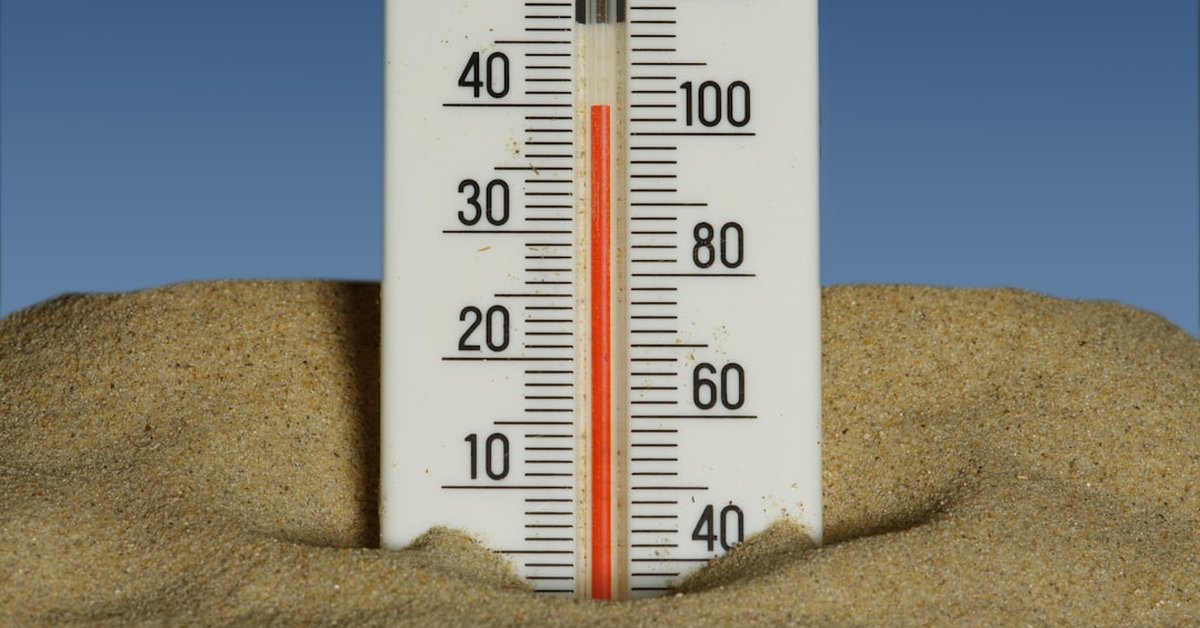
But here’s the uncomfortable question nobody wants to ask: in a world that’s literally on fire — remember that two-week UK heatwave last summer? — is doubling down on fossil fuels really a ‘new dawn’? Or is it just the same tired old sunset?
The Political Calculus: Why Burnham Is Betting on Black Gold
Let’s start with the why. Burnham’s team knows that the North Sea isn’t what it used to be. Production peaked in 1999 at around 4.5 million barrels of oil equivalent per day. Now? We’re down to roughly 1.2 million. The easy oil is gone. What’s left is harder to reach, more expensive to extract, and — let’s be honest — dirtier per barrel. So why push for more?
Because jobs. Because Aberdeen. Because the SNP is breathing down Labour’s neck in Scotland, and if Burnham wants to keep those 40-odd Scottish seats that delivered him a majority, he needs to look like he’s fighting for the energy sector. And because — and this is the part no one says out loud — the energy transition is expensive, slow, and politically risky. Oil and gas are here now. Wind and solar? They’re coming, but they’re not here yet at the scale needed.
Dr. Emily Hart, an energy policy analyst at the University of Oxford, puts it bluntly: “Burnham is walking a tightrope. He’s promised net-zero by 2050, but he also knows that if he kills the North Sea overnight, he’ll crash the economy of north-east Scotland and send energy prices soaring. So he’s trying to have it both ways: keep drilling while claiming to invest in green alternatives. The question is whether that’s politically sustainable.”
And it’s not just domestic politics. The war in Ukraine shattered Europe’s energy security. The UK is still feeling the aftershocks — households paying hundreds more a year for gas than pre-2022. Burnham’s argument? Domestic production means less reliance on Putin or volatile global markets. It’s a simple, powerful message: “British energy for British people.”
The Environmental Cost: Every Barrel Has a Shadow
But here’s where the story gets complicated. And messy. And frankly, a little uncomfortable for anyone who cares about the climate.
The North Sea already leaks methane — a greenhouse gas 80 times more potent than CO2 over 20 years — from aging pipelines and platforms. New drilling means new infrastructure, new leaks, and new emissions. And this isn’t some abstract future problem. We’ve seen what happens when you ignore pollution warnings. The same kind of political short-termism that led to Toronto and New York choking on wildfire smoke last year is playing out here, just slower and under water.
Professor James MacIntyre, a climate scientist at the University of Edinburgh, doesn’t mince words: “Any new North Sea oil and gas development is fundamentally incompatible with the UK’s legally binding carbon budgets. The Climate Change Committee has been clear: we need to reduce emissions by 68% by 2030 relative to 1990 levels. Opening new fields makes that target mathematically impossible. Period.”
And here’s the kicker: even if Burnham greenlights every new field tomorrow — and that includes the controversial Cambo, Jackdaw, and Rosebank projects — the oil won’t flow for 5 to 10 years. By then, the world is supposed to be well into its transition. The International Energy Agency says no new oil and gas fields are needed if we’re to hit net-zero by 2050. So why start projects that will be operating in the 2030s and 2040s, when we should be winding down?
Because politics doesn’t care about 2050. It cares about the next election.
What It Means for You — and Your Energy Bills
Alright, so let’s bring this home. You live in the UK, or the US, or Canada. You’re paying through the nose for electricity and petrol. You hear “more North Sea oil” and think: great, cheaper fuel. But does it actually work that way?
Not really. Oil and gas are global commodities. The price you pay at the pump is set by global markets — OPEC, Russia, American shale — not by what comes out of the North Sea. Increasing UK production might shave a fraction off the wholesale price, but it won’t save you a tenner a month. What it will do is lock in more carbon emissions for decades, which means more extreme weather, more floods, more wildfires. Look at what’s happening in France right now — that’s the future we’re accelerating.
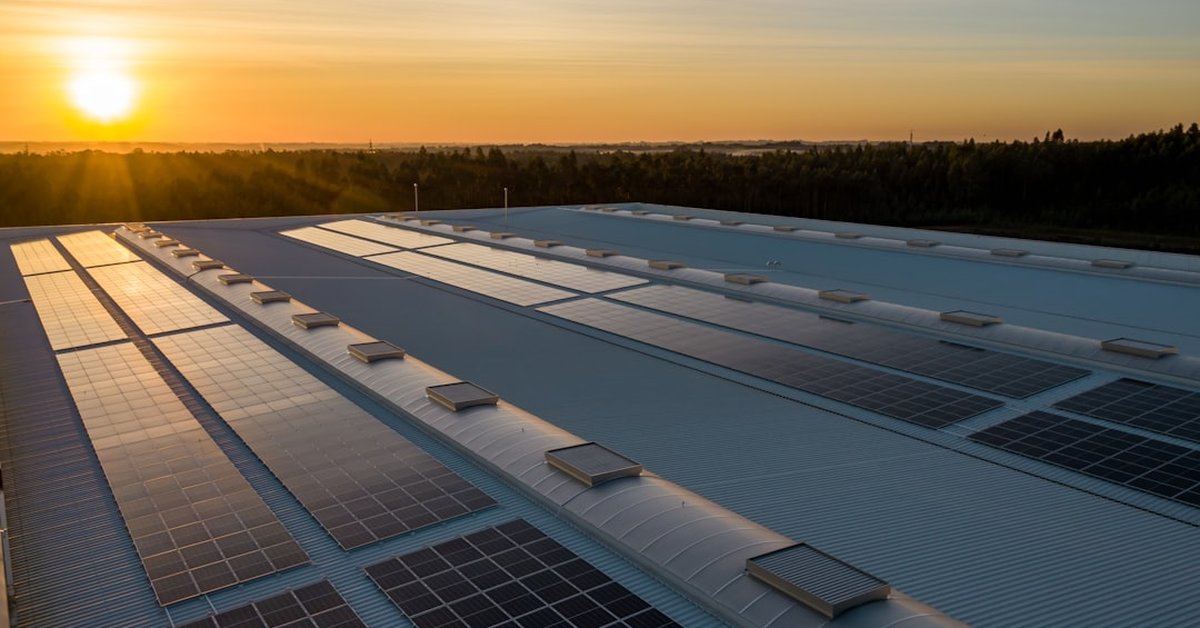
And there’s the irony: Burnham is promising a new dawn for North Sea oil to protect British jobs and energy security, but the real energy security of the future — wind, solar, nuclear, hydrogen — gets starved of investment when we keep throwing money at old fossil fuel infrastructure. It’s like fixing a leaky roof by buying more buckets instead of patching the holes. Eventually, the floor rots out.
The Industry Insider’s View
But it’s not all doom and gloom from the industry side. I spoke to John Rutherford, a North Sea drilling veteran with 30 years in the business. He’s seen the boom, the bust, and the slow decline. He told me: “The North Sea still has gas that could heat millions of homes. If we don’t extract it, we’ll import it from Qatar or the US — shipped halfway around the world, with a carbon footprint twice as big. It’s madness to leave it in the ground. But we need to do it responsibly. No flaring, no leaks, proper decommissioning funds. And we need a plan for the workers when the wells run dry.”
Rutherford has a point about the carbon math — domestic production can indeed have lower lifecycle emissions than imported LNG. But the math only works if the government enforces strict environmental standards. And that’s a big if, given the track record of regulators who are often too cozy with the companies they oversee.
What Comes Next
Burnham is expected to make his announcement within the first 100 days. Look for details on a new licensing round, possibly a tax break for decommissioning old platforms to encourage new investment, and some kind of carbon capture pledge to greenwash the whole thing. The real test will be whether he also announces a binding end date for new exploration — say, 2030 — which would signal that this is a transition, not a relapse.
So is this a new dawn for the North Sea? Yes — if you define dawn as the pale, uncertain light just before the sun finally sets. Burnham is not reversing the transition; he’s trying to soften the landing. The question is whether that soft landing is a smart political move or a climate betrayal. Probably both. That’s the 2020s for you: nobody gets a clean answer anymore.
We’ll be watching. And so should you.
Frequently Asked Questions
Will more North Sea oil actually lower my energy bills?
Unlikely. UK oil and gas prices are determined by global markets. While increased domestic supply could slightly reduce wholesale prices, the effect on household bills would be marginal — probably a few pounds a year at most. Energy security is more about reliability than cost in this context.
Is North Sea oil dirtier than imported oil?
It depends. Production emissions from UK fields can be lower than some imports — especially LNG from the US, which has high upstream methane leaks. However, new North Sea fields are often in deeper water with tougher geology, which can increase emissions per barrel. Without strict regulations on flaring and venting, the advantage disappears.
What’s the timeline for new projects under Burnham?
If Burnham announces new licensing rounds in 2025, it would take at least 5-7 years to discover, appraise, and develop any commercial finds. First oil from a brand-new field would not come before 2031-2033. That means any new production would be flowing well into the 2030s and 2040s — precisely when the UK should be steeply reducing emissions.