







In a city where every square foot of waterfront real estate is a battlefield, the latest skirmish isn t between developers and environmentalists — it s between the desperate need for housing and the terrifying certainty of rising seas. And right now, housing is winning.
Earlier this month, New York City officials gave the green light to a towering apartment complex on the Brooklyn waterfront, a 40-story mixed-use behemoth that will bring 1,200 new units to the Williamsburg border. The project s approval came over the loud objections of community groups who had pushed for something radically different: a public park and flood buffers instead of luxury condos.
Look, we ve been here before. New Orleans, Miami, the Jersey Shore — every coastal city in America is wrestling with the same impossible math. But Brooklyn s choice cuts deeper because it s not just about building. It s about who gets to live here, who gets protected, and who gets left behind when the next hurricane comes.
The Park That Could Have Been
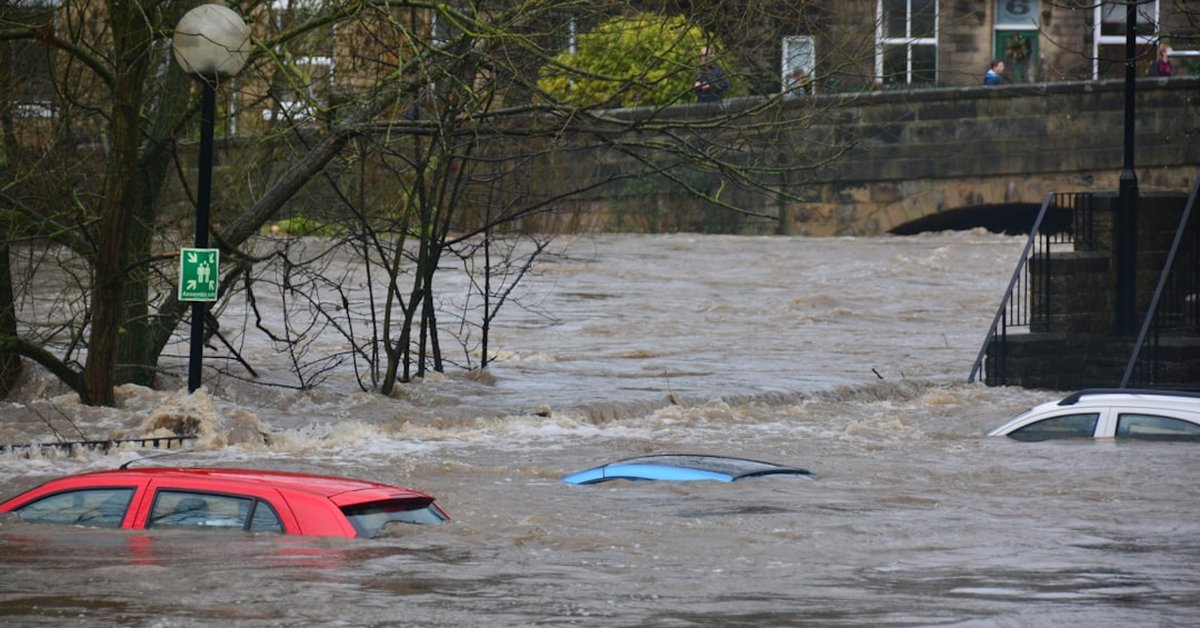
The site, a former industrial lot along Bushwick Inlet, sits in a flood zone that s already proven its lethal potential. During Superstorm Sandy in 2012, the neighborhood was submerged under four feet of water. More recently, remnants of Hurricane Ida in 2021 turned nearby streets into rivers, flooding basement apartments and killing 13 people across the city.
“We needed a living shoreline,” says Maria Torres, a community organizer with the local environmental justice group Neighbors for a Resilient Brooklyn. “A park with bioswales, wetlands, elevated walkways — something that could absorb storm surge and give families a place to breathe. Instead, we get another tower that might be standing on a bathtub in 30 years.”
The plan Torres and her neighbors backed wasn t radical. It called for a 5-acre public park with floodable meadows, a restored salt marsh, and a raised berm that would double as a walking path. Studies from the NYU Institute for Public Knowledge show that such nature-based solutions can reduce peak flood heights by up to 30% — far more effectively than concrete walls.
But land in Brooklyn is worth roughly $1,000 per square foot. And the city, facing a housing crisis with vacancy rates below 3%, saw the developer s proposal for 1,200 apartments — 20% of them officially “affordable” — as too good to pass up.
The Climate Math Nobody Wants to Do
Here s the uncomfortable truth: You cannot build your way out of sea-level rise. The National Oceanic and Atmospheric Administration projects that by 2050, New York City could see 1.5 to 2 feet of sea-level rise under a moderate emissions scenario, with storm surges reaching even higher. NOAA’s most recent report warns that coastal flooding will become “chronic” for the city s lower-lying neighborhoods within the next three decades.
Dr. James Hollister, a climate adaptation researcher at Columbia University, puts it bluntly: “Every new building on the waterfront is a bet against physics. We can engineer flood-proof foundations, sump pumps, and deployable barriers — but the question isn’t whether water will come. It’s how much we’re willing to spend to keep it out.”
The developer, Gotham Development Partners, has promised a ground-floor elevation of 14 feet above sea level — higher than the current FEMA flood maps require. They ve also committed to on-site stormwater retention and a “resilient” mechanical system that can withstand flooding. Critics note that those measures protect the building itself, not the surrounding neighborhood — and that they rely on an aging city sewer system already overwhelmed by heavy rains.
The project also received a $50 million subsidy from the city’s Department of Housing Preservation and Development — money that could have funded an entirely different vision. “That’s the part that stings,” says Torres. “We’re not anti-housing. But we could have had both — housing and protection — if the city had chosen a smarter site or required a different design.”
A National Precedent — and a Warning
Brooklyn s choice echoes a pattern seen across the country: short-term housing wins over long-term resilience. In Houston, post-Harvey development continued in floodplains. In Charleston, new condos rise on stilts above streets that flood during every king tide. And in New York, the approval of this project comes as the Trump administration — which recently tapped a climate skeptic to lead the National Climate Assessment — continues to downplay the risks.
“The federal government is essentially checking out of the climate adaptation game,” says Hollister. “That leaves cities making these impossible tradeoffs alone, without the kind of national standards that could prevent reckless development in the most vulnerable zones.”
For the families moving into those 1,200 units, the immediate concern is not a 100-year storm. It s a three-bedroom apartment with an income cap. But the question that haunts climate scientists is what happens in 2050, when the building s flooding frequency jumps from once-a-decade to once-a-year. Will the city retrofit the whole neighborhood with massive sea walls? Will homeowners be left to sell at a loss? Or will the building just keep drying out, raising rents to cover the insurance premiums?
The city s Department of City Planning defended its decision, pointing to a recently adopted “Resilient Neighborhoods” framework that requires new waterfront developments to submit flood-response plans. But the framework is advisory, not mandatory — and it doesn t block construction based on long-term risk.
“The worst part is, we know what works,” says Torres. “We have the data. We have the designs. But we don’t have the political will to say no to a developer who promises 1,200 units tomorrow while ignoring the 12-foot surge that’s coming.”
What It Means for You
If you live in a coastal city — Boston, Seattle, San Francisco, even Chicago along the Great Lakes — you are watching Brooklyn s future play out in real time. The battle between housing and flood protection is not an abstraction. It s happening in every zoning board meeting, every environmental impact statement, every vote on a bond for a sea wall.
The lessons from Brooklyn are simple but brutal: density and resilience are not inherently opposed, but they require upfront investment. A park that floods safely costs less than a tower that floods catastrophically — but it doesn t produce tax revenue or rent checks. Until that calculation changes, housing will almost always win. And the water will keep rising.
Frequently Asked Questions
Will the new Brooklyn apartments be safe from flooding?
The developer claims the building will be elevated 14 feet above current sea level, with flood-proof mechanical systems. However, critics note that the building does not protect the surrounding neighborhood from storm surge, and that long-term sea-level rise projections could render those measures insufficient within the next 30 years.
Why wasn’t a park built instead of housing?
Community groups proposed a 5-acre public park with flood-absorbing wetlands and a berm, but the city approved a 40-story apartment complex because of the acute need for affordable housing and the high land value. The developer will include 240 affordable units on-site.
What can other cities learn from this decision?
The Brooklyn case highlights a fundamental conflict: immediate housing needs often override long-term climate resilience planning. Experts say cities should adopt mandatory flood-risk assessments and consider nature-based solutions that can both house people and protect them — but political will and funding remain obstacles.