



PARIS — “We’re seeing fires in places where they’ve never been,” says Lieutenant-Colonel Eric Brocardi, spokesperson for the French firefighters’ federation. “It is a new reality, and it demands a new response.”
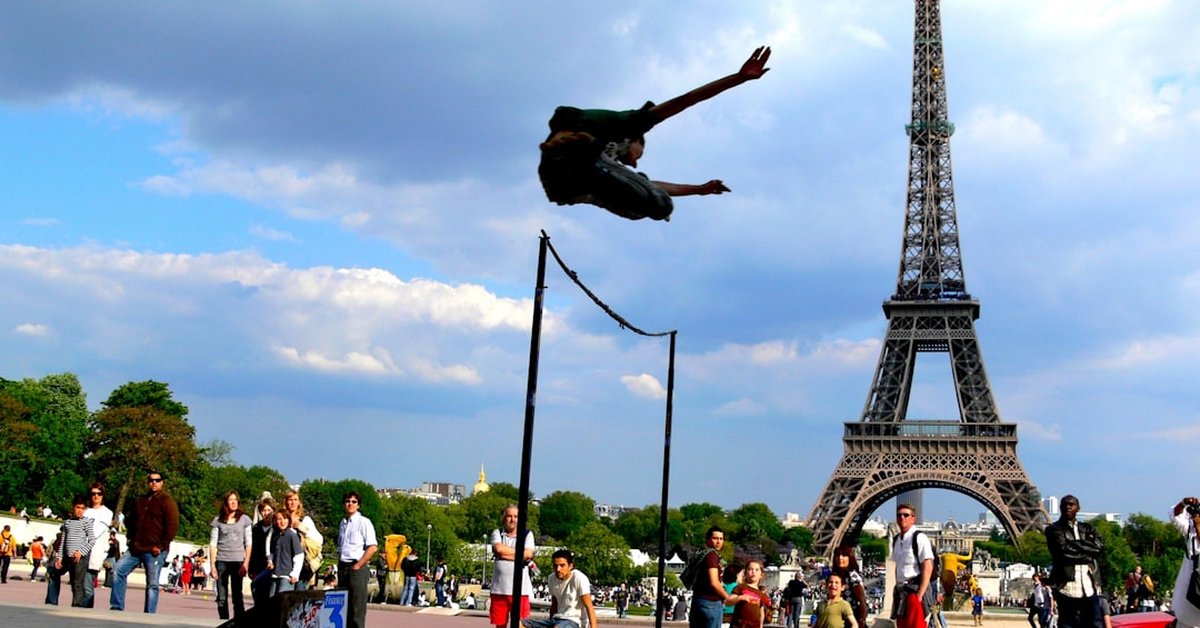
For generations, France’s wildfires were a summer ritual confined to the Mediterranean south — Provence, the Riviera, Corsica. But this week, something shifted. Blazes erupted less than 50 miles from central Paris, forcing evacuations in the Île-de-France region. The flames didn’t stop there. They tore through the Loire Valley, charred forests in Brittany, and sent smoke drifting over the Eiffel Tower.
France is facing a fire season unlike any other. And the country is scrambling to adapt.
A Northern Shift That Caught Officials Off Guard
On July 25, firefighters battled a fast-moving wildfire in the Yvelines department, just 30 kilometers from the capital. The fire consumed 80 hectares of forest before crews could bring it under control. Days earlier, a separate blaze in Seine-et-Marne forced the closure of a major highway during rush hour. “We used to plan for fires in the south,” Brocardi explains. “Now we have to plan for fires everywhere.”
The geographic shift is stark. Historically, 90% of France’s wildfires occurred in the Mediterranean regions. But this summer’s unprecedented heatwave has turned much of the country into a tinderbox. Temperatures in northern France have soared past 40°C (104°F) multiple times since June, drying out vegetation that rarely sees such stress. The result? Fire conditions that resemble southern Spain or California — but in the heart of Europe.
Look, this isn’t just about weather. It’s about infrastructure. Northern France doesn’t have the firefighting infrastructure that the south has. Fewer water-dropping planes. Less specialized training. Fire stations built for urban emergencies, not forest blazes.
And the timing couldn’t be worse. The same heatwave that’s fueling these fires is also straining water supplies, making it harder to fill firefighting tanks.
French Firefighting: A System Built for the South
France’s firefighting model has long been regional. The south operates a fleet of Canadair and Dash aircraft, capable of scooping water from the Mediterranean and dropping it on flames with precision. Northern fire brigades, by contrast, rely on ground crews and municipal water sources. It’s a system that worked — until it didn’t.
“We’re learning that our equipment is not adequate for the scale of these fires,” says Dr. Claire Martin, a wildfire ecologist at the University of Montpellier. “In the north, we don’t have the same density of fire stations or the same access to aerial resources.” Martin points to the parallel situation in Scotland, where a “very high” wildfire alert was issued this month for regions unaccustomed to such risks. “It’s the same story across Europe. The geography of fire is changing faster than our response systems.”
This week, the French government announced an emergency allocation of additional water-bombing aircraft to northern bases. But critics say it’s a stopgap. “We need to permanently reposition resources,” Brocardi argues. “Not just for this summer, but for every summer going forward.”
And then there’s the human factor. French firefighters are exhausted. Many have been working 18-hour shifts for weeks straight. The heat itself is a hazard — heatstroke among crews has spiked. “You can’t fight fire in 40-degree heat without consequences,” Brocardi adds. “We’re asking our people to do the impossible.”
What This Means for Paris and Beyond
For residents of the Paris suburbs, the fire threat feels surreal. “I never worried about wildfires before,” says Amélie Durand, a teacher in the town of Rambouillet, where a fire came within 500 meters of homes last week. “Now I have a go-bag packed. My kids know the evacuation route.”
That’s a new reality for millions of people. The fires are also damaging farmland, threatening vineyards, and disrupting transport networks. The smoke has triggered air quality alerts in the capital, where particulate levels have exceeded safety thresholds.
But the real concern is long-term. Climate models suggest that by 2050, France’s fire season could stretch from April to October — and reach nearly every department. Controlled burns and structural hardening, already used in the south, will need to become standard practice nationwide. Land-use planning must change. Building in high-risk zones, once unthinkable in the north, may need restrictions.
“This is not a temporary crisis,” says Martin. “It’s a permanent transformation of our environment. We have to treat it as such.”
The French government is now drafting a national wildfire strategy — one that doesn’t divide the country into fire-prone and fire-safe zones. But funding is uncertain. And political will, as always, is tested by competing priorities.
“We used to say that fire was a southern problem. That was a dangerous illusion.” — Lieutenant-Colonel Eric Brocardi
A Glimmer of Hope — and a Warning
There is some good news. Forecasts suggest a weekend cooldown will bring temporary relief, with temperatures dropping below 30°C in many areas. That could help firefighters gain the upper hand on active blazes. But the underlying conditions remain. The soil is dry. The forests are brittle. One spark can still ignite a disaster.
Satellite imagery from tools like RAMMB Slider has captured the scale of the destruction in stunning detail — showing burn scars spreading across landscapes that were green just weeks ago. These images are a stark reminder that fire doesn’t respect borders or seasons.
So what happens next? France will invest. It will retrain. It will redeploy. But the real test isn’t technological — it’s psychological. Can a nation that saw fire as a distant threat accept that it is now a neighbor? The answer, for millions living near Paris, is being written in smoke.
Frequently Asked Questions
Why are wildfires suddenly appearing near Paris?
Extreme heatwaves, driven by climate change, have dried out vegetation in northern France — areas historically too cool and wet for major fires. This year’s record temperatures (above 40°C) have created fire conditions similar to southern France.
How is France changing its firefighting strategy?
France is relocating water-bombing aircraft to northern bases, increasing funding for regional fire stations, and developing a national wildfire plan that treats the entire country as fire-prone. Controlled burns and building restrictions are also being considered.
Is there a link between the UK heatwave and France’s fires?
Yes. The same high-pressure system that drove the UK’s prolonged heatwave has also affected France, causing similar drought and heat stress. The fires in France and the wildfire risk in Scotland are connected to the same broader climate pattern.