




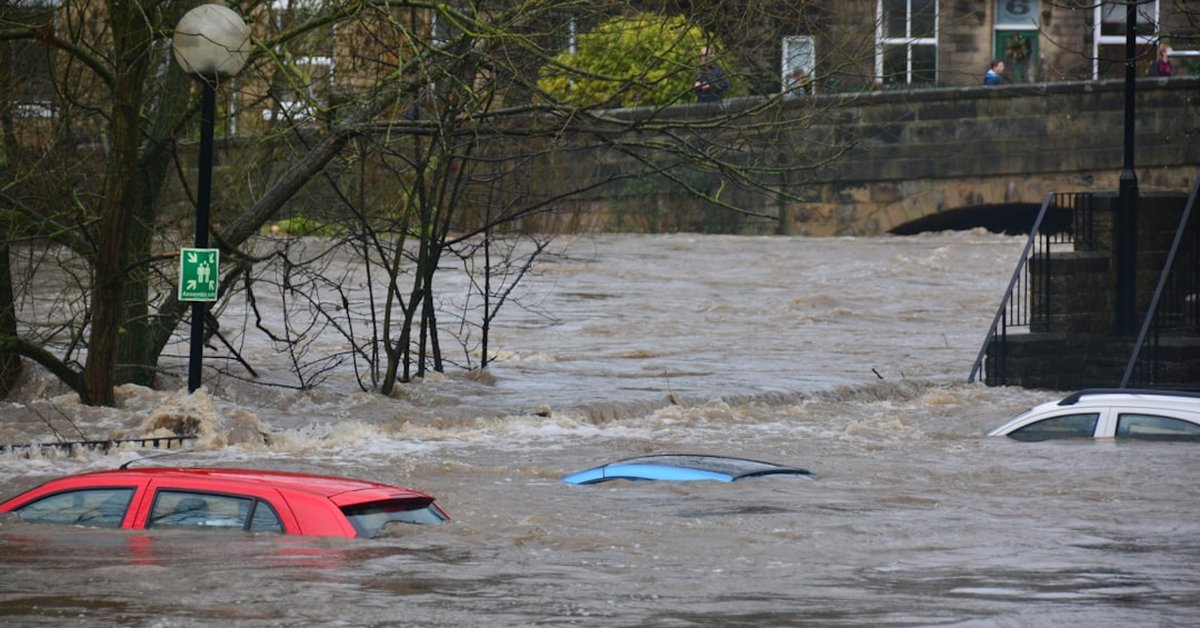
Nobody is talking about flood watches this spring. And that’s exactly the problem.
While headlines scream about wildfires, hurricanes, and the unexpected resurgence of long-forgotten diseases, a quieter threat is creeping across the United States, the UK, and Canada. Flood watches — those National Weather Service alerts that ping your phone at 3 a.m. — are being issued at rates that should make you pause. But most of us swipe them away without a second thought. We shouldn’t.
A flood watch doesn’t mean flooding is guaranteed. It means conditions are ripe. The ground is saturated. Rivers are running high. Another storm could tip the balance. And in the past five years, the gap between a watch and a disaster has narrowed dangerously. According to the National Oceanic and Atmospheric Administration, flood-related damages in the US alone exceeded $50 billion between 2019 and 2023. That’s not just infrastructure. That’s basements. That’s cars. That’s lives.
So why aren’t we paying attention? Because flood watches feel like background noise. They lack the dramatic imagery of a tornado or the looming threat of a hurricane. But they’re more common, more insidious, and — for millions of people — more likely to disrupt your life tomorrow morning than a Category 5 storm a thousand miles away.
The Geography of Complacency
Flood watches are issued by local weather offices when a combination of factors — heavy rain, snowmelt, saturated soil, or ice jams — makes flooding possible within the next 12 to 48 hours. In 2024, the National Weather Service issued over 4,500 flood watches across the United States. That’s roughly 12 per day. Most of them passed without major incident. But the ones that didn’t? They caught people off guard.
Take the catastrophic flooding in Vermont in July 2023. A flood watch was issued 36 hours in advance. Yet many residents told reporters they didn’t take it seriously. The result: two deaths and over $200 million in damage. Or consider the UK’s repeated flood watches during Storm Babet in October 2023, which led to hundreds of evacuations and three fatalities. In both cases, the warning was there. The problem was how it was received.
It’s a pattern that meteorologists call “watch fatigue.” When alerts fire too often, people tune out. It’s the same psychology that makes us ignore the Code Orange air quality alerts that have become routine in the Northeast during wildfire season. We’ve been conditioned to think warnings are overcautious. Until they’re not.
What a Flood Watch Actually Means for You
Here’s the part the weather apps don’t tell you. A flood watch is not a suggestion to check the radar tomorrow. It’s a signal to prepare now — while you still have power, while roads are still open, while stores still have sandbags.
The Federal Emergency Management Agency recommends that when a flood watch is issued for your area, you should immediately do three things: move valuables to higher ground, charge your devices, and identify an evacuation route. That’s it. Fifteen minutes of effort that could save thousands of dollars in damage and — in extreme cases — your life.
“The most dangerous phrase in flooding is ‘it’s never flooded here before.’ Every flood event rewrites the history book.” — National Weather Service flood safety campaign
Yet fewer than one in three Americans have taken any action in response to a flood watch, according to a 2023 survey by the Insurance Institute for Business & Home Safety. The same survey found that 60% of homeowners in flood-prone areas don’t have flood insurance — even though standard homeowners policies explicitly exclude flood damage. That’s a gap that can swallow a lifetime of savings in a single afternoon.
And it’s not just about rivers overflowing. Urban flooding — the kind that turns a city street into a canal after an hour of heavy rain — is on the rise. The Federal Emergency Management Agency estimates that 40% of flood claims now come from areas outside high-risk flood zones. Suburbs, inland towns, even deserts. Flood watches are expanding their reach, even if our attention isn’t.
The Psychology of a Missed Warning
Why do we ignore flood watches? Part of it is the language. “Watch” sounds passive. It doesn’t carry the urgency of a “warning” or an “emergency.” But the real culprit is something psychologists call “normalcy bias” — the tendency to believe that because disaster hasn’t struck before, it won’t strike now. It’s the same bias that keeps people in their homes as a hurricane approaches or that makes drivers plow through standing water on a flooded road.
There’s also the issue of timing. Flood watches are often issued when the weather is still calm. The sun might be shining when the alert pops up. That dissonance — a bright sky and a dire warning — makes it easy to dismiss. But the National Weather Service doesn’t issue flood watches based on what’s happening outside your window. They issue them based on what’s happening upstream, underground, and in the atmosphere. By the time you see the water, it’s too late to prepare.
Compare this to how we treat other natural threats. When a wildfire smoke advisory is issued, we close windows and dig out N95 masks. When a tornado watch is issued, we head for the basement. But a flood watch? Most of us just shrug. That asymmetry is deadly.
The Hidden Costs of Ignoring Flood Watches
The economic impact of flooding is staggering — and growing. NOAA data shows that flood damages in the US have increased by 300% since 2000, adjusted for inflation. Climate change is a major driver: warmer air holds more moisture, leading to more intense rainfall events. A storm that would have dropped two inches of rain in 1950 now drops four. And the ground, hardened by development and drought, can’t absorb it fast enough.
But the costs go beyond the obvious. Flood watches trigger insurance rate adjustments. They affect property values. They can delay shipping, close schools, and disrupt medical care. In rural areas, a flood watch can mean the difference between a farmer getting crops to market or losing an entire season’s work. In cities, it can overwhelm stormwater systems, sending raw sewage into basements — a health crisis that lingers long after the water recedes.
And then there’s the mental toll. A 2022 study in the journal Environmental Health Perspectives found that people who experience repeated flood watches — even without actual flooding — report higher levels of anxiety and depression. The constant state of alert wears you down. It’s the opposite of the complacency problem: some people become hypervigilant, unable to sleep when rain is forecast, haunted by the memory of a flooded home.
What Comes Next
The National Weather Service is experimenting with new ways to communicate flood risk. Some offices now include impact-based statements — “this flood watch could cause road closures like those seen during the 2019 floods” — to break through the noise. The UK’s Met Office has begun issuing “danger to life” warnings for flooding, a step that has increased public response rates by 25%.
But the responsibility doesn’t rest entirely with forecasters. We need to change how we hear these alerts. A flood watch is not a suggestion. It’s a heads-up from the people who spend their careers tracking the invisible forces that shape our weather. Ignoring it won’t make the water go away. It’ll just leave you standing in it.
So the next time that alert buzzes on your phone, don’t swipe. Read it. Act on it. Because the flood nobody talks about might be the one that finally makes you listen.
Frequently Asked Questions
What is the difference between a flood watch and a flood warning?
A flood watch means conditions are favorable for flooding to occur within the next 12 to 48 hours. A flood warning means flooding is imminent or already happening. A watch is a heads-up to prepare; a warning is a signal to act immediately.
Do I need flood insurance if I live outside a flood zone?
Yes. The Federal Emergency Management Agency reports that over 40% of flood insurance claims come from properties outside high-risk flood zones. Standard homeowners insurance does not cover flood damage. Private flood insurance is available and often costs less than $500 per year.
How should I prepare when a flood watch is issued?
Move valuables and electronics to higher floors or elevated shelves. Charge all devices and backup batteries. Fill your car’s gas tank. Identify a safe evacuation route and a place to stay if you need to leave. If you live in a flood-prone area, consider placing sandbags or flood barriers at doorways.