





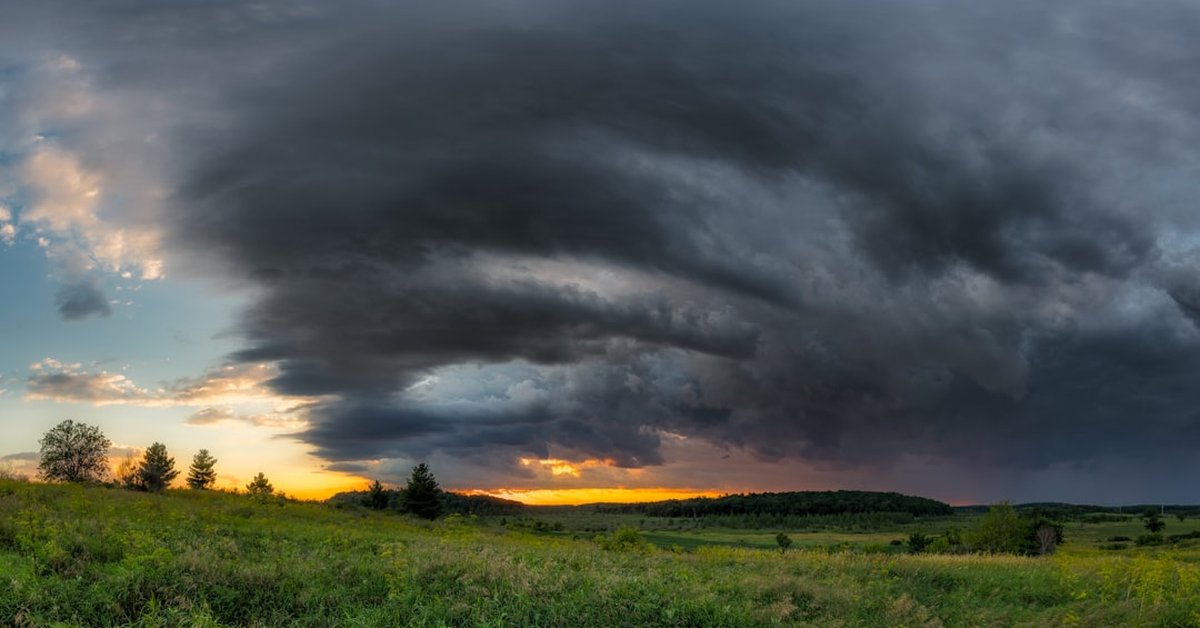
An EF-2 tornado tore through parts of Wisconsin this week, and the drone footage is stunning — not because of the destruction, but because of what’s missing. No fatalities. No injuries. That’s not a headline; it’s a statistical anomaly. And it’s exactly the kind of luck that lulls people into complacency. For every lucky break like this, there’s a Moore, Oklahoma, or a Joplin, Missouri, waiting to happen. The drone shots from the Midwest show collapsed barns, snapped power lines, and roofs peeled back like sardine cans. But the real story is what the footage doesn’t show: the bodies. And that’s where we need to get uncomfortable.
Because here’s the thing — the tornado warning system worked. The National Weather Service issued a warning 18 minutes before the twister touched down near the town of Greenwood around 3:45 PM on Tuesday. People took shelter. They did the right thing. But the drone footage also reveals something else: just how close some homes came to being obliterated. A few hundred yards to the east, and we’d be talking about a very different outcome.
The Drone Perspective Changes Everything
Let’s talk about what the drone actually captured. The footage, released by local emergency management on Wednesday, shows a path of damage stretching roughly 7 miles through Clark County. It’s a classic EF-2 signature: narrow, violent, and selective. One house has its entire roof missing; the neighbor’s house looks untouched. A grain silo is crumpled like a beer can. Trees are twisted, not just snapped — that’s a hallmark of rotational winds hitting 120 mph.
But here’s the thing about drone footage that ground-level photos can’t convey: scale. From 200 feet up, you see the randomness of tornado damage in a way that’s almost unnerving. It’s not a clean line. It’s a jagged scar. And that randomness is why we’re having this conversation about luck versus preparation. The National Weather Service confirmed the path width was about 300 yards — narrow enough to miss the most populated areas, but wide enough to remind us how thin the margin is.
This isn’t the first time Wisconsin has dodged a bullet. In 2017, an EF-3 tornado hit Chetek, destroying dozens of homes but killing no one. In 2021, an EF-2 near Eau Claire did the same. That pattern — strong tornadoes, zero fatalities — is becoming a strange kind of Wisconsin tradition. But traditions can break.
What the Numbers Actually Say
Let’s put this in perspective. According to NOAA data, the United States averages about 1,200 tornadoes per year, and roughly 70 to 80 people die from them. The vast majority of those deaths happen in mobile homes and vehicles — two places you absolutely don’t want to be during a tornado. Wisconsin has averaged about 2 tornado-related deaths per year over the last decade. That’s low. But it’s not zero.
The drone footage from this event shows something else: several mobile home parks within a mile of the damage path. Had the tornado tracked just slightly differently, we’d be looking at a very different story. Mobile homes are notoriously vulnerable; they can’t withstand even EF-1 winds. The fact that this EF-2 stayed in open farmland and avoided those structures is pure geography, not good fortune.
And that’s the uncomfortable truth. We’re celebrating a near-miss as if it’s a victory. It’s not. It’s a reminder that our infrastructure — especially in rural areas — is not built for the storms we’re now seeing with increasing frequency. Climate change is loading the dice. Warmer temperatures mean more energy in the atmosphere, which means more intense thunderstorms, which means more tornadoes in places that didn’t used to get them. Wisconsin’s tornado season used to peak in June; now it’s stretching into March and November. This particular storm was unusual for its timing — mid-October — and its intensity. An EF-2 in October is not unheard of, but it’s becoming less rare.
What This Means for You
If you live in the Midwest, or anywhere in Tornado Alley’s expanding footprint, here’s your takeaway: don’t let the zero casualty count fool you. The drone footage is a warning, not a reassurance. Every time a tornado misses, the odds of the next one hitting get a little tighter — statistically speaking. That’s not how probability works, I know, but it’s how human psychology works. We get comfortable. We stop taking warnings seriously. And then a storm like the 2022 EF-4 in Iowa kills seven people, and we wonder how it happened.
The best thing you can do is not look away from footage like this. Watch it. Let it sink in. Then check your emergency kit. Make sure your phone is set to receive wireless emergency alerts. Know where your safe spot is — interior room, basement, away from windows. And if you live in a mobile home, have a plan to get to a sturdy building. Because the next EF-2 might not be so kind.
There’s also a broader lesson here about how we talk about disasters. We tend to focus on the dramatic — the Bordeaux wildfires that forced thousands to flee, or the Typhoon Noul that slammed southern China with unusual speed. But the quiet, almost-missed disasters are just as important. They’re the ones that teach us how fragile our safety really is.
The drone footage from Wisconsin will fade from the news cycle within days. That’s a mistake. We should keep looking at it, keep talking about it, and keep asking ourselves: what if next time, the luck runs out?
Frequently Asked Questions
What is an EF-2 tornado?
An EF-2 tornado is the third-lowest category on the Enhanced Fujita Scale, with estimated wind speeds between 111 and 135 mph. It can cause considerable damage, including tearing roofs off well-constructed houses, overturning mobile homes, and uprooting large trees. The scale runs from EF-0 (weakest) to EF-5 (strongest).
How common are tornadoes in Wisconsin?
Wisconsin averages about 23 tornadoes per year, most of which are EF-0 or EF-1. EF-2 tornadoes like this one occur roughly 2-3 times per year in the state. The peak season is typically May through August, though tornadoes can occur in any month. The state has seen a slight increase in early-season and late-season tornadoes over the past 20 years, likely linked to changing climate patterns.
What should I do if a tornado warning is issued?
Go to a basement or an interior room on the lowest floor — a bathroom, closet, or hallway without windows. Cover your head and neck with your arms or a heavy object like a mattress. Do not stay in a mobile home or vehicle. If you’re outside with no shelter, lie flat in a low-lying area and cover your head. Stay informed via a NOAA weather radio or a smartphone app.