







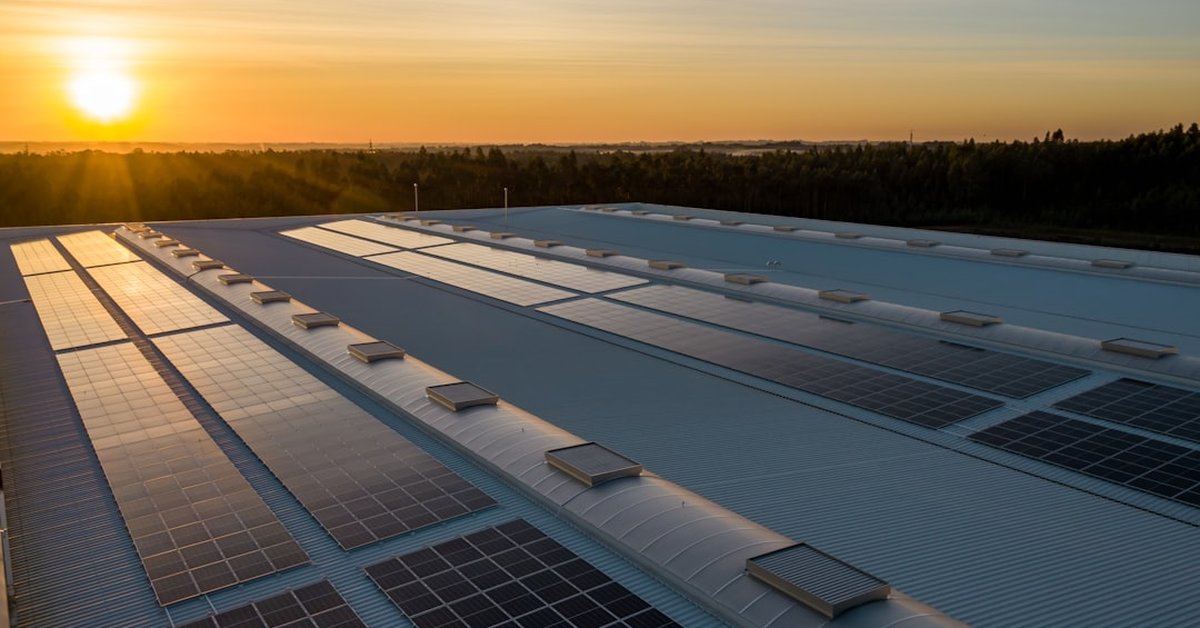
For decades, solar power meant one thing: a big, expensive rooftop installation requiring permits, electricians, and weeks of waiting. That’s changing—fast. Ten U.S. states have now legalized plug-in solar panels that connect directly to standard wall outlets. No permits. No electricians. Just a panel, a cord, and a backyard. The implications for everyday energy bills are immediate—but the ripple effects on utility companies, grid reliability, and the very idea of who controls your power are far bigger.
Here’s the thing: this isn’t a niche gadget anymore. The technology—dubbed “residential plug-and-play solar”—has been common in Europe and parts of Asia for years. Germany alone has over 500,000 balcony solar systems installed. The United States has been slow to catch up, largely because of outdated building codes and utility resistance. But that’s now shifting. States including California, New York, Florida, Texas, Colorado, and others have revised their electrical codes to explicitly permit these systems under specific conditions. The National Electrical Code (NEC) added a section for plug-in solar in its 2023 update, giving states a clear framework to adopt.
So, what does this mean for you? If you live in one of the ten states—or one of the dozen more considering similar rules—you can buy a 300- to 600-watt panel kit for $300 to $800, plug it into an outdoor outlet, and start offsetting your electricity use immediately. No contractor. No city permit. No months-long wait for interconnection approval. My read is that this is the most significant democratization of home energy since the home thermostat went digital.
How Plug-In Solar Actually Works
The systems are deceptively simple. A solar panel (or a pair of panels) is mounted on a ground rack or balcony railing, connected to a microinverter that converts DC to AC, and then plugged into a standard 120-volt outlet via a short cord. The outlet must be on a dedicated circuit with a special warning label—but that’s it. The panel feeds power directly into your home’s electrical panel through that circuit, reducing the load on your main breaker.
There are limits, of course. Most plug-in systems max out at 600 watts—the NEC restricts them to that level to prevent backfeeding hazards. That’s enough to power a refrigerator, a few lights, and a computer, but not your whole home. Still, for a renter, a condo dweller, or a homeowner who can’t afford a $20,000 rooftop array, it’s a game-changer. The U.S. Department of Energy estimates that a 600-watt system can save a typical household $100 to $200 per year on electricity, depending on location and sun exposure.
But the real story isn’t the savings—it’s the shift in control. Traditionally, utilities have held a monopoly on grid-connected solar. They set the rules, the fees, and the timelines. Plug-in solar bypasses that entirely. No interconnection application, no net metering agreement, no waiting for the utility to approve your system. You just plug it in. That’s a radical departure from the status quo.
The Backlash Is Already Brewing
Unsurprisingly, utilities aren’t happy. They’ve spent years fighting rooftop solar, arguing that it shifts costs onto non-solar customers. Plug-in solar takes that fight to a new level. Because these systems are small and don’t require interconnection approval, utilities can’t track them easily. Some states, like Florida and Texas, have required that plug-in systems include a “utility disconnect” switch—a way for the power company to shut the panel off remotely if it detects a problem. But enforcement is patchy at best.
The bigger concern is safety. Plug-in solar can backfeed power onto the grid during a blackout, creating a shock hazard for line workers. The NEC requires that all plug-in systems include an inverter that automatically shuts off when grid power is lost—a feature called “anti-islanding.” Legitimate manufacturers comply. Cheap imports from Amazon or eBay may not. That’s where the real risk lies. In 2022, the Consumer Product Safety Commission issued a warning about non-certified plug-in solar kits that failed anti-islanding tests.
States are responding with labeling requirements and approved equipment lists. California now requires that all plug-in solar components be listed on the California Energy Commission’s database. New York mandates a permanent label on the outlet warning that it’s connected to solar. But enforcement is minimal—these are largely honor-system rules.
What This Means for Renters, Homeowners, and the Grid
For renters, plug-in solar is a revelation. Apartment dwellers with a balcony or a south-facing window can now participate in the solar revolution without asking their landlord. For homeowners, it’s a low-cost entry point—a way to test solar before committing to a full rooftop system. And for the grid, it’s a wild card. Millions of small, distributed solar systems could reduce peak demand during summer heatwaves, potentially preventing blackouts. Or they could create chaos if too many are installed without proper coordination.
The comparison to the early days of rooftop solar is instructive. In the 2010s, utilities fought rooftop solar tooth and nail—and lost. Today, over 4 million U.S. homes have rooftop solar. Plug-in solar could multiply that number dramatically, simply because it’s so easy. I’d wager that within five years, plug-in solar will be as common as a backyard grill. The implications for wildfire risk are also worth noting—as we saw in the European wildfires driven by empty countryside, distributed energy can reduce strain on grid infrastructure that sometimes sparks fires.
There’s also a darker side: the potential for fraud. Scammers are already selling fake plug-in solar kits that don’t produce any power. The FTC has issued warnings, but enforcement is slow. The FTC advises consumers to buy only from reputable manufacturers and to check for UL or ETL certification.
What’s Next: The Policy Battleground
The ten states that have legalized plug-in solar are just the beginning. At least eight more states are considering legislation, including Michigan, Pennsylvania, and North Carolina. The federal government is also taking notice—the Inflation Reduction Act includes a 30% tax credit for plug-in solar systems, just like rooftop solar. That brings the effective cost of a $600 kit down to $420.
But the real fight is over net metering. Currently, plug-in solar users don’t get credit for excess power they send to the grid—the system simply offsets their own consumption. Several states are considering extending net metering to plug-in systems, which would dramatically improve the economics. Utilities are lobbying hard against that, arguing that it would allow customers to “game” the system without paying their fair share of grid maintenance costs.
My prediction: net metering for plug-in solar will be the next big solar policy battle in state legislatures. It’s going to be ugly. But the genie is out of the bottle. Millions of Americans now know they can generate their own power with a simple plug. That’s not something you can un-invent.
Frequently Asked Questions
Is plug-in solar legal in my state?
Currently, ten states have explicitly legalized plug-in solar under updated electrical codes: California, New York, Florida, Texas, Colorado, Illinois, Massachusetts, Maryland, Washington, and Oregon. Several others are considering similar laws. Check your state’s building code or contact your local building department to confirm.
Can plug-in solar power my entire home?
No. Most plug-in systems are limited to 600 watts by the National Electrical Code. That’s enough to offset a refrigerator, a few lights, and a computer, but not your entire home. For whole-home solar, you still need a traditional rooftop system with a professional installation.
Is plug-in solar safe?
Yes, if you buy certified equipment from a reputable manufacturer. Look for UL 1741 certification on the inverter and ensure the system includes anti-islanding protection, which automatically shuts off the panel during a grid blackout. Avoid uncertified kits from unknown sellers on Amazon or eBay.