

“We’re looking at a future where the iconic July 4th parade in a coastal town could be canceled not because of rain, but because the main street is underwater at high tide.”
America’s 250th birthday is less than two years away. The planning is already massive: fireworks over every state capitol, reenactments from Lexington to Concord, and the biggest barbecue in history. But there’s a problem nobody in the bicentennial committee had to worry about back in 1976. The weather is weaponized now.
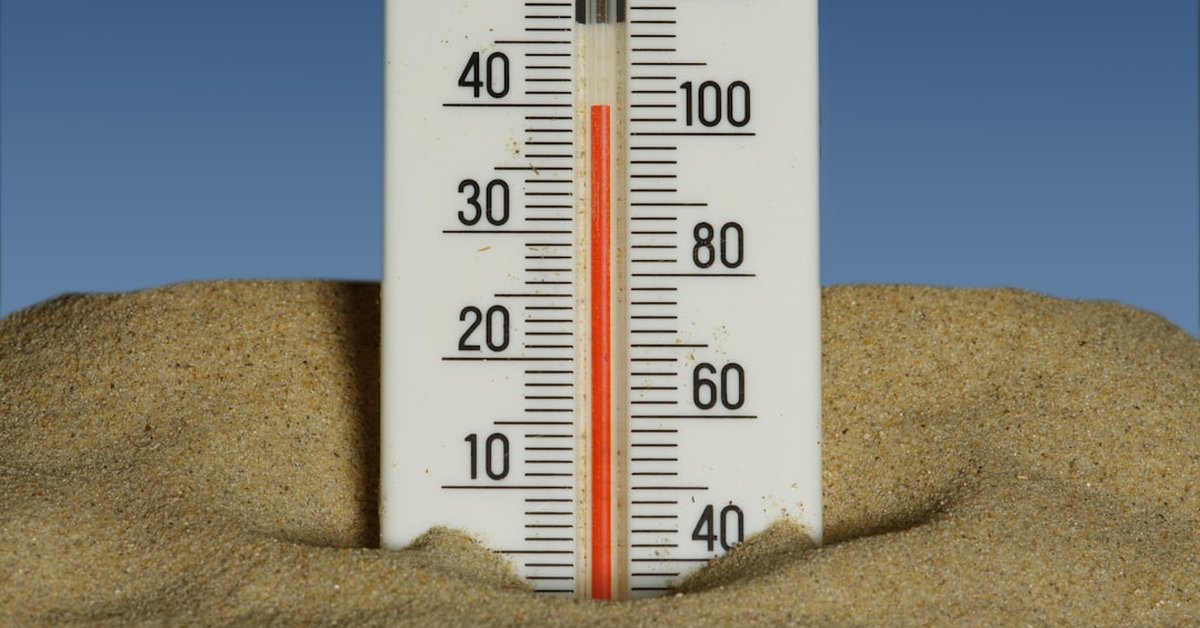
Look, I’m not saying the Founding Fathers didn’t deal with heat waves and nor’easters. They did. But 250 years later, we’ve loaded the atmosphere with so much extra energy that the baseline has shifted. A heat dome can park over Philadelphia for a week. A flash flood can drown a parade route in minutes. And the National Mall? It’s on a floodplain that’s already seeing sunny-day flooding from sea level rise.
The Bicentennial Was a Beach Party. The Semiquincentennial Could Be a Stress Test
In 1976, the nation threw itself a two-year-long bash. Tall ships sailed into New York Harbor. The entire country seemed to agree on one thing: America was cool. But 2026 arrives in a very different moment — politically divided, economically anxious, and staring down a climate crisis that wasn’t even on the radar fifty years ago.
“The bicentennial was about nostalgia and unity,” says Marcus Chen, a historian at George Washington University who studies national celebrations. “The semiquincentennial will be about resilience. Can we still pull off a massive public celebration when the environment is throwing curveballs every summer?”
It’s a fair question. The National Oceanic and Atmospheric Administration has already documented a sharp increase in billion-dollar disasters during the summer months. July is now peak season for both hurricanes and wildfires. The very weeks when millions of Americans will be attending outdoor events are the weeks when the power grid is most likely to fail.
So what’s a birthday party planner to do? Some cities are already rethinking their venues. Boston, for instance, is considering moving its main July 4 concert from the Esplanade — which flooded twice in the past decade — to higher ground. And the National Park Service is quietly assessing which historic sites along the East Coast might need temporary flood barriers for the big day.
And then there’s the question of your backyard barbecue. If you’re planning to fire up the grill on July 4, 2026, you might want to think about what’s actually on the menu. For a deeper look at which choice is greener — burger or bratwurst — check out our guide on Burger vs. Bratwurst: Which Grill Choice Is Greener This July 4?.
The Fireworks Are the Easy Part. It’s the Infrastructure That’s the Real Worry
Fireworks themselves — they’ll go off. The pyrotechnics industry is remarkably resilient. But the infrastructure that supports a nationwide celebration? That’s another story. Power lines, cell towers, emergency services, public transit — all of it is more vulnerable now than it was a generation ago.
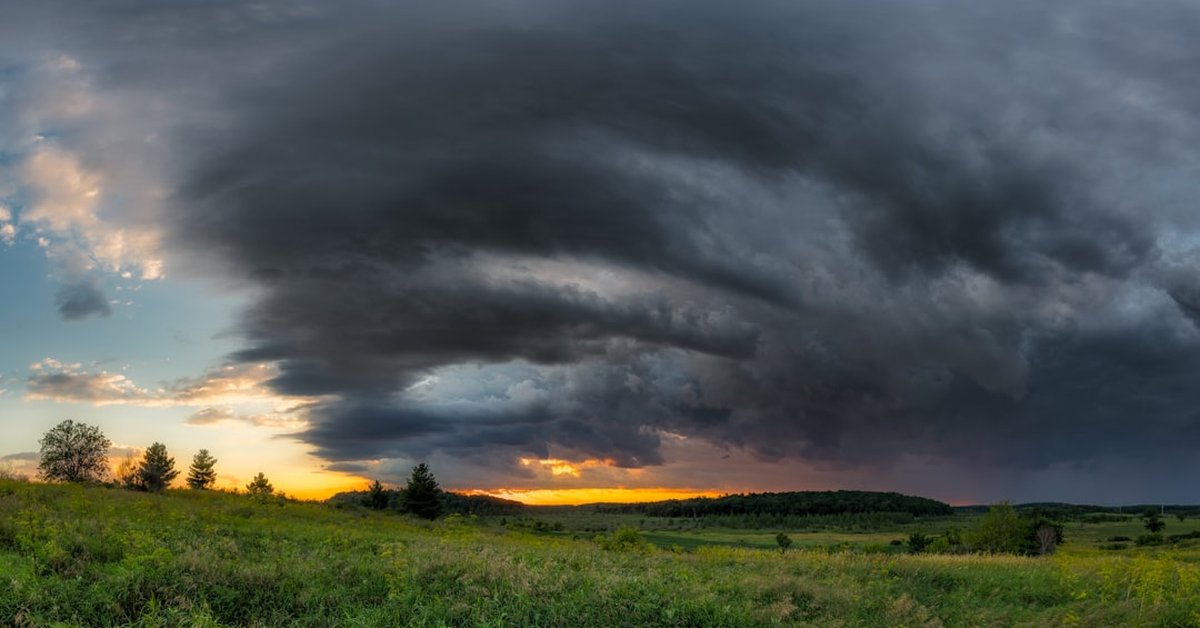
Consider this: in July 2023, a severe thunderstorm knocked out power to over 100,000 people in the Washington, D.C., area during the capital’s annual July 4 celebration. The show went on, but thousands watched it from dark homes with no air conditioning. That’s the new normal.
Dr. Torres, the climate adaptation specialist, points out that cities need to build redundancy into their systems. “You can’t just hope the grid holds. You need backup generators, cooling centers, and real-time weather monitoring. The celebration has to be flexible — ready to pivot indoors, delay by a day, or even cancel if conditions are dangerous.”
And it’s not just the big cities. Small towns across the Midwest and South are grappling with the same challenges. In places like Nashville, Tennessee, which saw devastating flooding in 2021, the July 4 parade now has an alternate route that stays on high ground. In Flagstaff, Arizona, the fireworks display has been moved to later in the summer to avoid peak wildfire risk.
But adaptation costs money, and many municipalities are already stretched thin. The America 250 Commission — the federal body coordinating the celebration — has allocated $200 million in grants to help communities prepare. But that’s a drop in the bucket compared to the estimated $2 billion that local governments will spend on events.
A Storm of Expectations: What Americans Want From Their Birthday
So what do people actually want from this milestone? I’ve been asking around. Some want a return to the optimism of 1976. Others want a reckoning — a celebration that acknowledges the country’s flaws alongside its triumphs. And a surprising number just want the weather to cooperate.
“I don’t care about the politics,” said Linda Ortiz, a retired teacher in Tampa, Florida. “I just want to take my grandkids to the beach and watch the fireworks without worrying about a rip current or a lightning strike. Is that too much to ask?”
It shouldn’t be. But the numbers suggest it might be. According to the latest National Climate Assessment, the frequency of extreme heat events in the Southeast has tripled since 1976. In the Southwest, the wildfire season is now 75 days longer. And along the Gulf Coast, sea levels have risen by nearly eight inches since the bicentennial.
Even the iconic pond scum is getting in on the act. Harmful algal blooms — fueled by warmer waters and agricultural runoff — have become a summer staple in lakes from Ohio to Oregon. That’s right: the green slime that ruins a day at the lake is also a climate change story. For a fascinating dive into how algae is actually as American as apple pie, read our piece on E Pluribus Algae: Why Pond Scum Is as American as Red, White & Blue.
So, Can We Actually Pull This Off?
I think we can. But it’s going to require a level of coordination and contingency planning that we’re not used to. Every city hosting a major event needs a “Plan B” — and a “Plan C.” The America 250 Commission has been working with FEMA and NOAA to develop a real-time weather threat assessment tool that will be shared with local organizers. That’s smart.
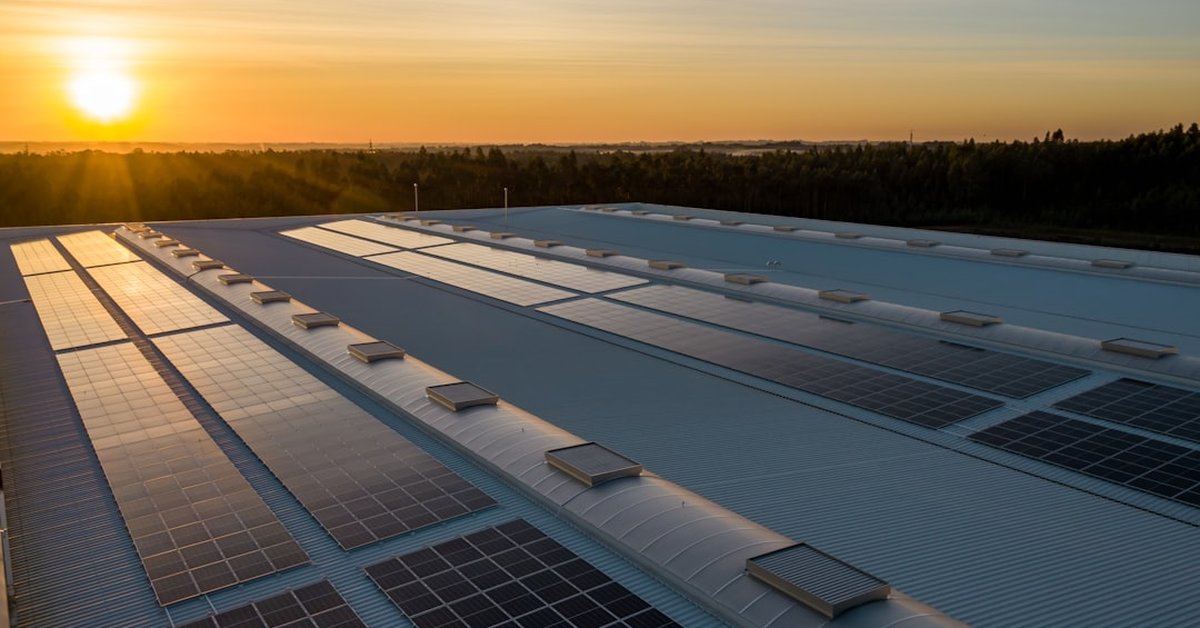
But the bigger question is whether this celebration can become a catalyst for climate action. Imagine if the fireworks were powered by renewable energy. Imagine if the parade floats ran on biodiesel. Imagine if the whole event was carbon-neutral. That would be a statement worth making.
“The 250th is a chance to show the world what America can do,” says Dr. Torres. “Not just throw a party, but throw a party that’s sustainable, resilient, and safe. That would be truly historic.”
We’ve got less than two years to get it right. The weather isn’t waiting. And neither should we.
Frequently Asked Questions
What is America 250?
America 250 is the official name for the 250th anniversary of the signing of the Declaration of Independence. The celebration will take place throughout 2026, with major events concentrated around July 4. It is coordinated by the U.S. Semiquincentennial Commission and involves federal, state, and local governments, as well as private organizations.
How is climate change affecting the planning for America 250?
Climate change is forcing planners to reconsider venue locations, dates, and infrastructure. Rising sea levels threaten coastal parade routes and historic sites. More frequent heat waves and severe storms increase the risk of power outages and event cancellations. Many cities are developing contingency plans, including alternate routes and indoor venues, and are investing in backup generators and cooling centers.
Can I still celebrate America 250 if my town cancels outdoor events?
Absolutely. Many communities are planning virtual components, smaller neighborhood gatherings, and indoor activities. The America 250 Commission encourages people to celebrate safely, whether that means watching fireworks from a shaded spot, attending an indoor concert, or hosting a backyard barbecue with a lower carbon footprint — like opting for bratwurst over beef burgers.