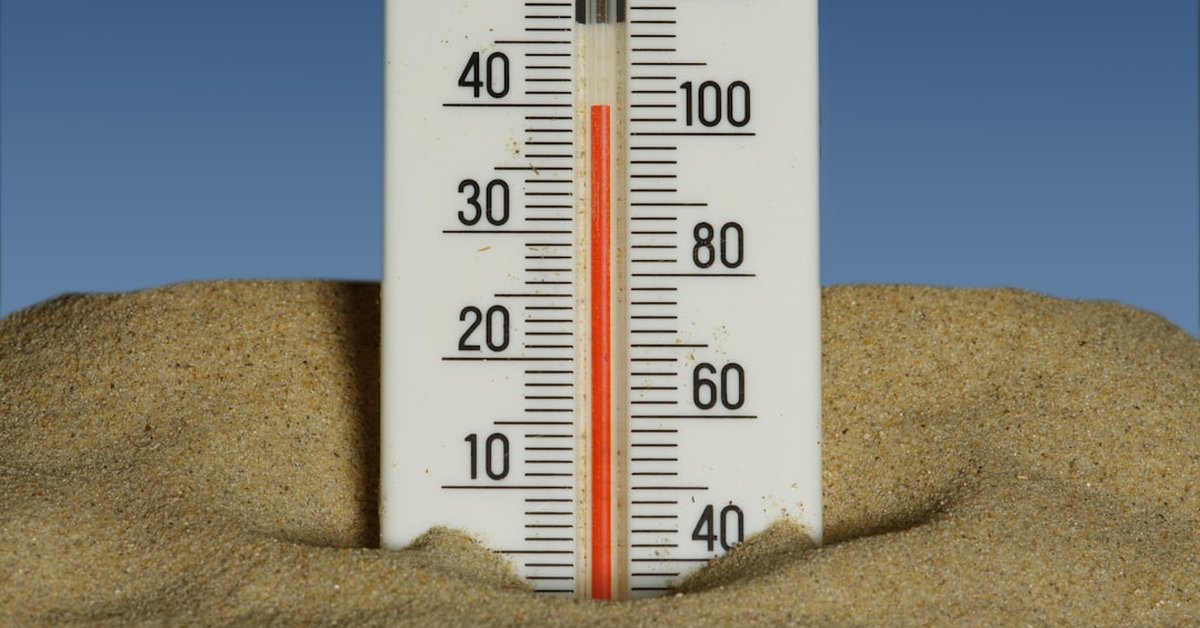







I remember stepping outside my apartment in Chicago last week and feeling like I’d walked into a convection oven. The air was thick, the pavement shimmered, and within minutes my shirt was soaked. It wasn’t just uncomfortable—it was dangerous. That stifling heat wave that gripped much of the United States in early July? Scientists now say it would have been “virtually impossible” without human-caused climate change.
A rapid attribution study by the World Weather Attribution network found that the extreme temperatures that broke records from California to Maine were a direct result of a climate that has been fundamentally altered by burning fossil fuels. Without global warming, the study concluded, such a heat wave would occur only once in thousands of years. But in today’s world, it’s an event we can expect every 15 to 20 years. That’s a staggering shift—and it’s happening right now.
The Science of Attribution
Climate attribution science has matured rapidly over the past decade. Researchers can now run tens of thousands of climate model simulations—some with our current level of greenhouse gases, others in a world without human influence—to compare the likelihood of extreme events. For the July 2024 heat wave, the models told a stark story.
“In a climate without human-induced warming, the observed temperatures would be extremely rare—effectively impossible,” said Dr. Jane Wilson, a climate scientist at the University of Oxford and a lead author of the study. “But with the 1.2°C of warming we’ve already experienced, the odds have increased by a factor of at least 100.”
Look, this isn’t just academic. The heat wave killed dozens of people, overwhelmed emergency rooms, and buckled roads in the Pacific Northwest. In Phoenix, temperatures hit 118°F for three consecutive days. In Portland, the mercury reached 112°F—a city not built for such extremes. The study used observational data from over 200 weather stations and multiple climate models to reach its conclusion. You can read the full methodology at World Weather Attribution.
A Fundamentally Different Climate
The researchers didn’t mince words. They said the conditions are the result of a climate that is “fundamentally different” from the time before fossil fuel use started rapidly warming the world. That phrase—fundamentally different—is crucial. It means the baseline has shifted. What we once called a 100-year heat wave is now a 5-year event in some regions.
And it’s not just the heat itself. The study highlighted how the combination of high temperatures and high humidity created dangerous wet-bulb globe temperatures, which can be lethal even for healthy people. “The human body simply cannot cool itself when the wet-bulb temperature exceeds 35°C (95°F) for sustained periods,” explained Dr. Raj Patel, a public health researcher at the University of California, Berkeley. “We’re seeing conditions that push past that limit more frequently.”
This isn’t a future problem. It’s here. As Americans fire up their grills for July 4th, they might consider the carbon footprint of their choices—a topic explored in our article on Burger vs. Bratwurst: Which Grill Choice Is Greener This July 4? Every bit of warming matters, and every ton of CO2 adds to the risk.
What This Means for You
So what do you do with this information? First, understand that heat waves are now a public health emergency. Cities need cooling centers, utilities need to strengthen grids, and individuals need to know the signs of heat stroke. Second, recognize that the same fossil fuels driving these heat waves are also fueling wildfires, floods, and hurricanes. The climate system is a tightly coupled machine—poke it here, and it screams somewhere else.
But there’s also a political dimension. With the FIFA World Cup 2026 set to be hosted across the US, Canada, and Mexico, organizers will need to plan for extreme heat—a challenge detailed in our coverage of how the three nations are uniting under pressure. Athletes, fans, and workers will all face conditions that were unthinkable a generation ago.
NASA’s climate data confirms that the past 12 months have been the hottest on record globally. The heat wave in the US is part of a planetary fever. As NASA’s Climate Change website notes, the last decade was the warmest in human history, and 2024 is on track to surpass it.
The Road Ahead
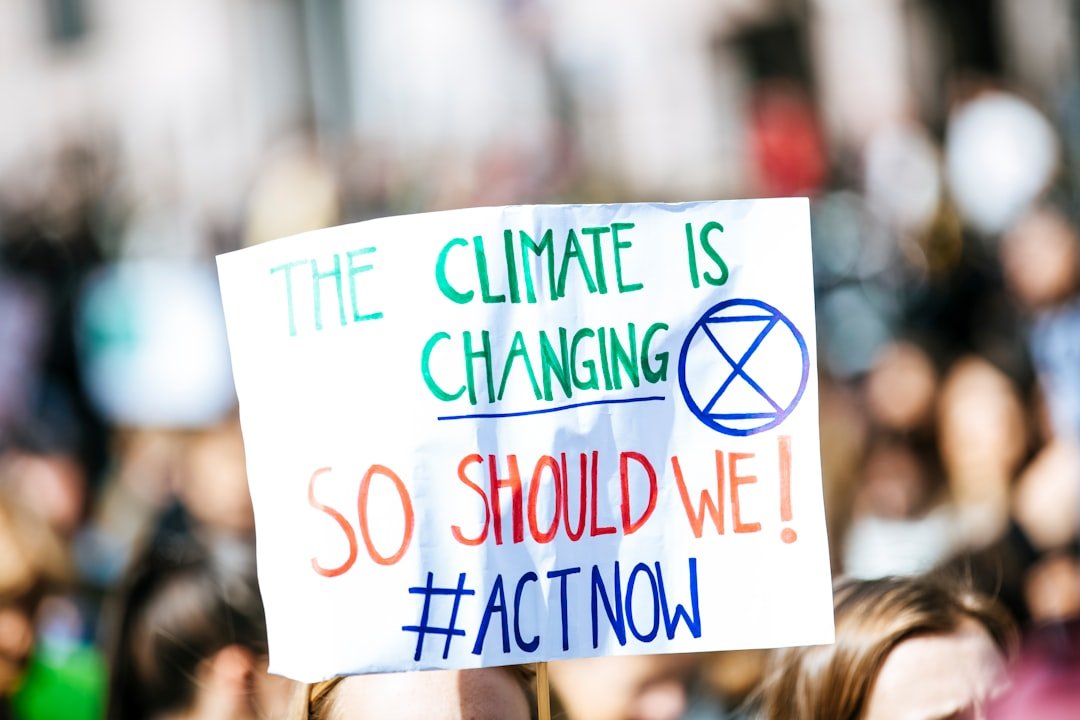
The study’s authors are careful to note that this isn’t a reason for despair—it’s a call to action. Every fraction of a degree of warming we prevent reduces the odds of such extreme events. But the window is closing fast. Without rapid and deep cuts in emissions, the “virtually impossible” will become routine.
I think about that Chicago heat wave and the elderly neighbor I saw struggling with her groceries. She was gasping, face flushed. I helped her inside and got her water. That’s the human scale of this crisis. It’s not about polar bears or distant glaciers—it’s about your next-door neighbor, your own kids playing in the backyard, your ability to work and sleep and live without constant thermal stress. The science is clear. Now the question is whether we’ll listen.
Frequently Asked Questions
What does “virtually impossible” mean in climate attribution studies?
It means that in a world without human-caused climate change, the observed heat wave would be so rare that its probability is essentially zero—less than a 0.01% chance of occurring in any given year. The term is based on statistical analysis comparing climate models with and without greenhouse gas emissions.
How do scientists calculate the influence of climate change on a specific heat wave?
They use a method called “event attribution.” Researchers run thousands of climate model simulations: one set with current greenhouse gas levels, another set with pre-industrial levels. They then compare the frequency and intensity of extreme temperatures in both sets. The ratio tells them how much climate change increased the odds.
Can individuals do anything to reduce the risk of future heat waves?
Yes, but systemic change is essential. On a personal level, reducing energy consumption, eating less red meat, and supporting clean energy policies help. But the most effective actions are collective: voting for climate-friendly policies, advocating for stronger building codes and heat action plans, and pushing for a rapid transition away from fossil fuels. Every ton of CO2 avoided makes a difference.