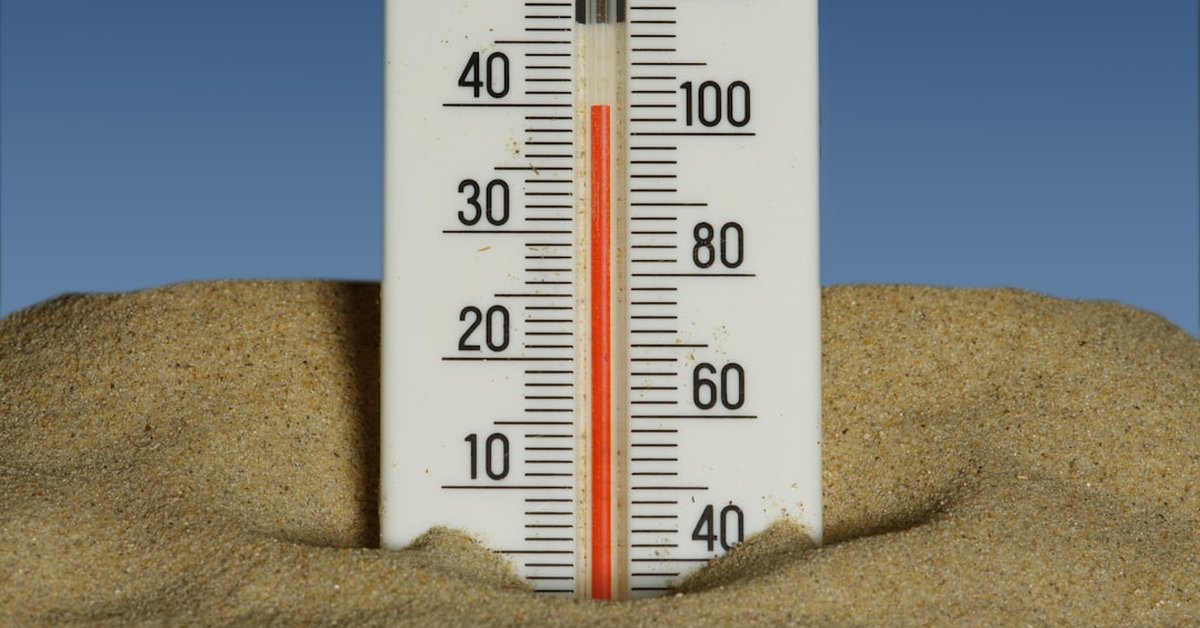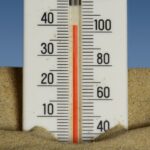



You think you know how to deal with heat. You slap on sunscreen, grab a bottle of water, and assume you’re good. But then the thermometer hits 105°F, the air feels like a blast furnace, and that water bottle is empty before noon. You’re dizzy, your skin is dry and hot, and panic sets in. The people I talked to? They laugh at 105. A Death Valley ranger, a volcano hiking guide, and a wildland firefighter — they work in temperatures that would send most of us sprinting for air conditioning. And they’ve learned that surviving extreme heat isn’t just about drinking more water. It’s a whole system. A science. An art. Here’s how they do it.
Start With Water — But Not the Way You Think
“The biggest mistake people make is waiting until they’re thirsty,” says Sarah Johnson, a 15-year veteran ranger at Death Valley National Park. “By then, you’re already dehydrated. Your body’s warning system is delayed.” She’s right. Thirst is a lagging indicator. By the time your brain sends the signal, you’ve lost fluids that are hard to replace fast. Johnson’s rule: start hydrating the night before. “Drink a glass or two before bed. Another when you wake up. Sip constantly throughout the day — don’t chug. That just makes you pee it out.”
Electrolytes matter too. Plain water alone can flush out sodium and potassium, making things worse. “I add a pinch of salt and a squeeze of lemon to my water bottle,” says David Chen, a guide who leads hikes on Kīlauea volcano in Hawaii. “It tastes better, and it keeps my muscles from cramping.” Chen spends 8 to 10 hours a day on lava fields where ground temperatures can hit 140°F. “I carry two liters of water with electrolytes for a half-day hike. For a full day, four liters minimum. And I stash extra in the car.”
Sound like a hassle? The heat dome that’s been suffocating the Northeast is a reminder that these aren’t just desert tricks — they’re survival skills anyone might need. Humidity makes it even harder for sweat to evaporate, so your cooling system fails. Pre-hydration becomes non-negotiable.
Dress Like You’re Going Into an Oven — Because You Are
“Cotton is a killer,” says Mark Rivera, a captain with CalFire who’s fought wildfires in California for 18 years. “Cotton soaks up sweat, stays wet, and then starts trapping heat. You’re basically cooking in a wet towel.” Rivera wears synthetic, moisture-wicking fabrics from head to toe. Long sleeves and pants, even in blistering heat. “I know it sounds counterintuitive, but covering your skin keeps the sun off. A white, lightweight long-sleeve shirt reflects more heat than it traps.” He pairs that with a wide-brimmed hat, a bandana soaked in cold water around his neck, and sunglasses that wrap around to block glare. Sunscreen is mandatory, but it’s not enough — physical barriers work better.
Chen, the volcano guide, agrees. “People show up in tank tops and shorts. They’re fried within an hour.” He recommends loose, light-colored clothing with UPF rating. “And a cooling towel — the kind you wet and snap — is a game-changer. I wrap it around my neck and it lowers my core temperature by several degrees.” He also brings a small spray bottle with water to mist his face and arms. “It evaporates and cools instantly.”
Johnson adds another layer: foot care. “In Death Valley, the ground can burn your skin through thin soles. I wear boots with thick, insulated soles, and I bring an extra pair of socks to change out if my feet get sweaty.” She’s seen tourists walk across the salt flats in flip-flops. “Blisters in minutes. It’s dangerous.”
Time Your Movement, Respect Your Limits
The hottest part of the day — typically from 11 a.m. to 4 p.m. — is when all three experts change their strategy. “I start hikes at dawn or even earlier,” says Chen. “By 10 a.m., I’m looking for shade. By noon, I’m done with the exposed sections.” He schedules rest breaks every 20 minutes in extreme heat. “Not ‘I’ll rest when I feel tired.’ Timed breaks, like clockwork. Find shade, sit down, drink, eat a salty snack. Then move again.”
Rivera’s firefighting crews follow the “work-rest cycle” — 20 minutes of work, 10 minutes of rest, with full shade and water during breaks. “When it’s over 100 degrees, we don’t push hard for hours. That’s how people collapse.” He watches for early signs of heat exhaustion: headache, nausea, confusion, excessive sweating that suddenly stops. “If someone stops sweating, that’s the red flag. Heat stroke is a medical emergency.”
Johnson has seen the same among tourists. “People want to see Badwater Basin at noon because the light is perfect for photos. But that’s the worst time. I tell them: come at sunrise or sunset. The temperature difference can be 20 degrees, and the light is better anyway.” She notes that park rangers carry extra water and electrolyte packets to hand out. “But we can’t save everyone. Last year, we had seven heat-related rescues in one week.”
And then there’s the mental game. “You have to stay calm,” says Rivera. “Panicking makes your heart race, which generates more heat. Breathe slow. Tell yourself, ‘I’m okay, I just need to cool down.'” He uses a technique: splash water on his wrists and neck, sit still for five minutes, sip slowly. “It’s amazing how much that resets your system.”
Heat waves are becoming more frequent and intense — something we’re seeing with the cancellation of major outdoor events like America’s 250th birthday celebrations due to extreme temperatures. The CDC warns that heat-related deaths are preventable but require proactive measures. Don’t wait for official warnings to change your behavior.
The Future of Heat — And What You Can Do Now
All three experts agree: no one is immune to heat. Even the fittest athletes get into trouble. “I’ve seen marathon runners fail in Death Valley because they thought they could out-tough the heat,” Johnson says. “You can’t. You have to respect it.” Chen adds: “I tell my clients: the mountain isn’t going anywhere. If you need to turn back, turn back. There’s no shame in survival.” Rivera’s final advice: “Know the forecast, plan your day around the heat, and always have an escape route — a shaded spot, air conditioning, a car with AC. And if you feel off, stop immediately. Don’t just push through.”
As climate change pushes thermometer readings higher, these stories aren’t just survival tips — they’re a preview of a hotter world. Whether you’re hiking a volcano, fighting a wildfire, or just walking to the mailbox, the same rules apply. Start with water. Dress smart. Pace yourself. And listen to your body. It’s smarter than you think.
Frequently Asked Questions
What temperature is too hot to hike or be outside for long?
“Anything above 95°F with high humidity is risky for strenuous activity,” says Sarah Johnson. “If the heat index exceeds 105°F, stay inside. It’s not worth it.” The CDC recommends avoiding outdoor exertion during the hottest part of the day when temperatures are highest.
How much water should I bring for a day in extreme heat?
“A minimum of one liter per hour of moderate activity, but double that if you’re sweating heavily,” advises David Chen. For a full day, start with four liters plus electrolyte supplements. Don’t rely on finding water sources — carry everything you need.
Can you get used to the heat over time?
Yes, but it takes weeks. “Acclimatization happens if you gradually increase exposure,” says Mark Rivera. “Your body learns to sweat earlier and more efficiently, and your heart rate stays lower. But even veterans have limits. Extreme heat doesn’t care how tough you think you are.” You can speed this process by spending 1-2 hours a day in mild heat for 10-14 days, but always stay hydrated.