






Nobody is talking about this. And maybe that’s exactly how they want it.
While millions across the country brace for a scorching Fourth of July heat wave, a different kind of storm is brewing inside the Interior Department’s ethics office. It’s quieter. More bureaucratic. But the implications for how we regulate America’s wildlife — and who benefits from those rules — are anything but small.
Jenifer Chatfield is a top official at the department, a regulator with years of experience in wildlife management. She’s also the daughter of a family that runs a business that needed a federal permit to operate. And when that permit came up for renewal, she didn’t recuse herself. She stepped in.
Ethics experts say that’s a problem. A big one.
The Permit That Raised Eyebrows
Here’s the setup: Chatfield’s parents own a small wildlife facility — the kind that handles captive animals, sometimes for education or rehabilitation. Such facilities need permits from the U.S. Fish and Wildlife Service, which sits under the Interior Department. In early 2024, that permit was up for renewal. Nothing unusual there — these things happen every day. But what raised red flags was who was handling the review.
According to documents obtained through a Freedom of Information request, Chatfield directly intervened in the renewal process. She contacted lower-level staff, requested expedited review, and even offered guidance on how to frame the paperwork. The permit was approved.
“When a senior official uses their position to push through a decision that benefits their family, that’s not just poor judgment — it undermines public trust in the entire regulatory system,” says Virginia Canter, chief ethics counsel at Citizens for Responsibility and Ethics in Washington (CREW).
Canter has seen plenty of conflicts in her career — but even she notes this one has a particularly clear paper trail. Emails show Chatfield discussing the permit with her father, then forwarding that information to subordinates. “It’s a textbook example of why we have ethics rules,” she adds.
The Interior Department’s own ethics guidelines require employees to recuse themselves from matters affecting their family’s financial interests. Chatfield didn’t. When asked about it, a department spokesperson told CyclonePost that Chatfield had sought informal advice from an ethics officer, but that no formal recusal was recorded. That’s like asking a referee if you can play without rules — and getting a shrug.
A Family Business Connection
This isn’t a case of some distant cousin with a hunting lodge. Chatfield’s parents run a facility that directly depends on federal permits to stay open. And she grew up in that world — she knows the business inside and out. That’s precisely the kind of connection ethics watchdogs warn about.
“The appearance of impropriety is often just as damaging as actual misconduct,” says Craig Holman, government affairs lobbyist for Public Citizen. “When a regulator’s family stands to gain from a decision, the public has every right to question whether that decision was based on science or family ties.”
And this isn’t the first time Chatfield’s family business has intersected with her official duties. Records show she previously attended meetings where her father’s facility was discussed — but no recusal forms were filed then, either. The pattern, critics say, suggests a culture of indifference to conflict-of-interest rules.
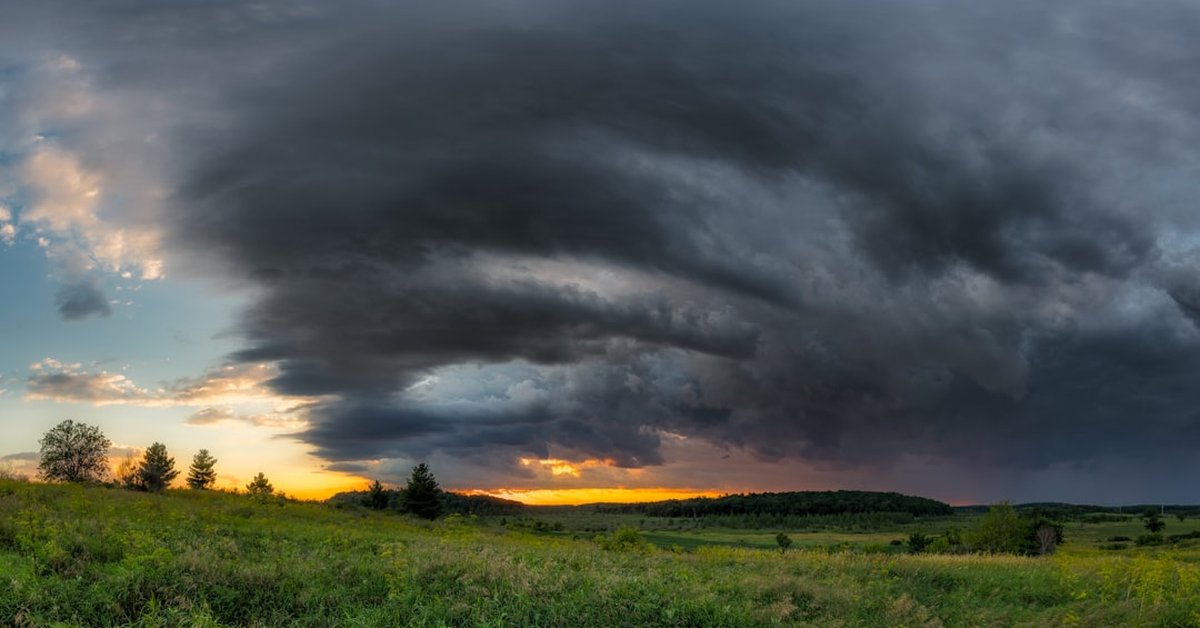
The facility itself isn’t a major player — it’s small, rural, the kind of place that flies under the radar. But that’s exactly the point. Like a fallstreak hole appearing over Grundy Center, it’s a sudden, unexplained shape in a system that’s supposed to be transparent.
What the Rules Say — and What Happens When They’re Ignored
Federal ethics law (5 C.F.R. § 2635.502) is clear: an executive branch employee shall not participate in a particular matter involving specific parties if the employee knows the matter is likely to have a direct and predictable effect on the financial interests of a member of their household, or a parent. Chatfield’s parents are not her household, but the regulation also covers “other persons” with whom the employee has a close relationship — and a parent certainly qualifies.
The punishment for violating these rules can range from a reprimand to removal from office. But enforcement is spotty. The Office of Government Ethics relies on agencies to self-report, which rarely happens. “It’s a system built on the honor of people who are already showing bad judgment,” notes Don Fox, former director of the Office of Government Ethics, now in private practice.
Still, Fox adds that this case is unusual because of the documentation. “Most of these things happen in the shadows — a phone call, a hallway conversation. Here we have emails. That makes it harder to dismiss.”
The Interior Department has launched an internal review, but it’s not clear how deep it will go. Meanwhile, Chatfield remains in her position, overseeing wildlife policy decisions that affect everything from endangered species listings to hunting regulations.
What It Means for the Rest of Us
So why should you care? Because when a regulator bends the rules for their family, it’s not just an ethical lapse — it’s a failure of the system that’s supposed to protect our natural resources. Wildlife management isn’t just about animals; it’s about balance, fairness, and making sure the rules apply equally to everyone. Including the people who write them.
And this story is bigger than one official. It’s a window into how the federal bureaucracy can be quietly captured by personal interests — not through bribes or backroom deals, but through slow, incremental erosion of boundaries. The kind that nobody talks about until someone finally looks at the emails.
For now, Chatfield’s future is uncertain. The internal review could clear her, or it could lead to disciplinary action. But the damage to public confidence may already be done. As ethics expert Canter puts it: “Trust is like a permit. Once it’s revoked, getting a new one is a long, painful process.”
Frequently Asked Questions
What did Jenifer Chatfield actually do?
Chatfield, a senior official at the Interior Department, intervened in the renewal of a federal permit held by her family’s wildlife facility. She contacted staff, urged faster processing, and provided guidance — all without formally recusing herself from the matter.
Is it illegal for a government official to help a family business with permits?
Federal ethics rules require officials to recuse themselves from matters affecting their financial interests or those of close family members. While not necessarily criminal, such actions can violate agency policies and erode public trust. The Interior Department’s own guidelines specifically prohibit participating in decisions where a family member stands to benefit.
What happens next?
The Interior Department has launched an internal review. Possible outcomes include a reprimand, suspension, or removal from her position. Separately, ethics watchdogs have called for a broader investigation into whether similar conflicts exist across the agency.