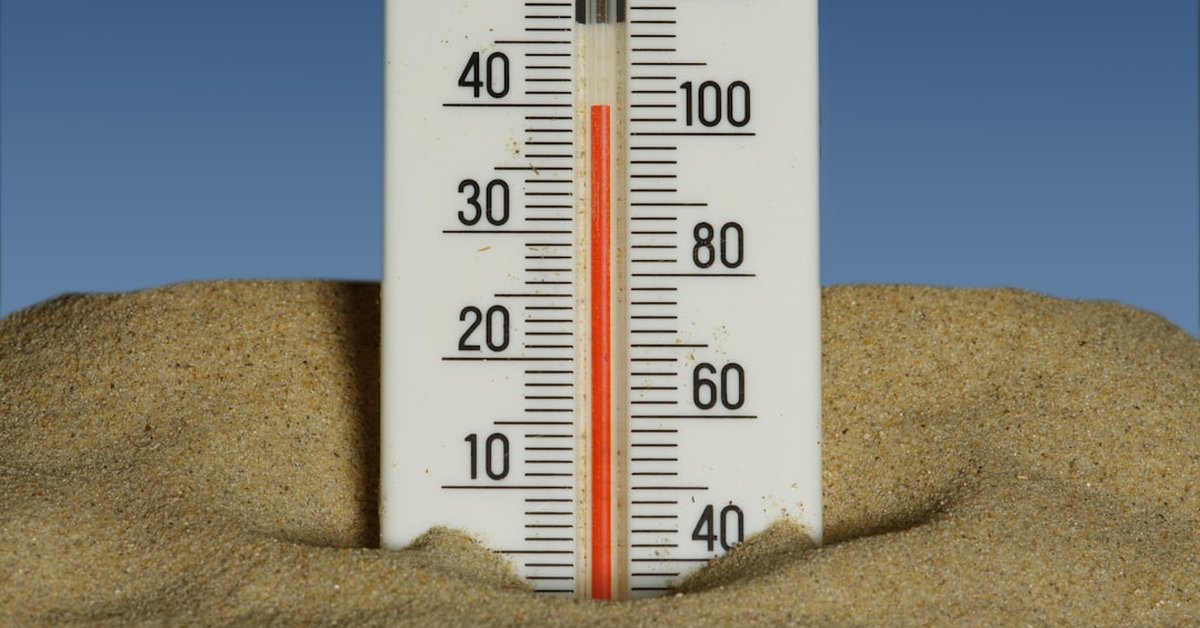






Heat waves don’t make for dramatic TV footage — but they kill more Americans annually than hurricanes, tornadoes, and floods combined. The National Weather Service has tracked an average of 702 heat-related fatalities per year over the past decade, and that number is conservative because many deaths from heat stress are misclassified as heart attacks or strokes. The silent killer thrives on our misplaced confidence: we think we can handle it, we wait too long, and by the time symptoms show up, we’re already in trouble.
Look, I’ve covered severe weather across the US for eight years — from Gulf Coast hurricanes to Colorado wildfire outbreaks — and I’ll tell you without hesitation: the most underestimated threat is a still, 95°F day with high humidity. It doesn’t roar, it doesn’t flood, it just squeezes the life out of you quietly. Your body can only cool itself so much through sweating, and once the wet-bulb temperature — a measure that combines heat and humidity — exceeds 35°C (95°F), even a healthy person in the shade can die within hours. That’s not speculation; that’s physiology.
So what actually works? Not the old wives’ tales about drinking hot tea to stay cool. Not the idea that electric fans are your savior (they can actually accelerate heat stress above 95°F). Here’s the data-driven guide to surviving a heat wave, based on real research and hard numbers.
The Silent Killer: Why You Can’t Feel Deadly Heat Building Inside You
Here’s the scary part: your internal thermostat is a lagging indicator. By the time your skin feels hot or you start sweating, your core body temperature may have already climbed into the danger zone (above 100.4°F). That’s why we see apparently healthy people — marathon runners, construction workers — collapse suddenly during heat waves. Their bodies simply ran out of coolant.
Dr. Robert Glatter, an emergency physician at Lenox Hill Hospital in New York, explains:
‘Heat stroke is not a gradual process for everyone. You can go from feeling a little off to having a seizure in 20 minutes. The hallmark is central nervous system dysfunction — confusion, slurred speech, loss of coordination. If you see someone acting oddly in the heat, don’t wait for their temperature to hit 104°F. Act now.’
That’s why the CDC’s first rule is not hydration — it’s cooling the body by any means possible. Move to air conditioning, apply ice packs to your neck and armpits, and if you don’t have AC, find a public cooling center. The CDC’s Extreme Heat Guide emphasizes that fans alone are ineffective and may actually worsen dehydration in dry heat by blowing hot air over your skin.
But here’s where it gets nuanced. Not all heat is equal. As we explored in a previous article on When 100°F Feels Like an Oven: The Deadly Truth About Heat Index, the combination of temperature and humidity creates a real-world measure called the heat index. At 95°F with 60% humidity, the heat index hits 114°F — and the National Weather Service issues an excessive heat warning because the body’s sweat evaporation is severely limited.
Know Your Numbers: Heat Index vs. Actual Temperature — Your Life Depends on It
Let’s do some math. If you live in Phoenix, an actual 110°F feels like 110°F because the air is bone-dry. That’s bad, but your sweat can still evaporate, cooling you off — assuming you drink a liter of water per hour and stay in the shade. In New Orleans, 95°F with 80% humidity feels like 136°F. Your sweat pools on your skin and does nothing. That’s why Eastern US Braces for Dangerous Heatwave: ‘This Is a Life-Threatening Event’ was the headline last week — the Southeast and Mid-Atlantic get a steam bath, not a dry heat.
Meteorologist and heat researcher Dr. Jennifer Vanos of Arizona State University puts it bluntly:
‘We need to stop talking about air temperature alone. A 100°F day in Atlanta is far more dangerous than a 110°F day in Las Vegas. The public doesn’t understand heat index, and that ignorance kills. We need to issue warnings based on wet-bulb globe temperature, not just the thermometer on your porch.’
Her team’s 2023 study in Nature Climate Change found that exposure to a heat index above 105°F for just two hours can cause permanent kidney damage in outdoor workers. That’s not a future threat — that’s happening right now to farm laborers in California, construction crews in Texas, and delivery drivers in Florida.
So here’s your actionable takeaway: Watch the heat index, not the forecast high. When your weather app says “Feels like 105°F,” treat it as an emergency. Stay indoors between 10 a.m. and 4 p.m. if possible, and never, ever leave children or pets in a parked car — even with windows cracked, the interior can reach 125°F in 15 minutes.
Practical Tips That Actually Save Lives (Based on Evidence, Not Anecdote)
After eight years of reporting on heat events from Phoenix to Philadelphia, I’ve compiled the list of interventions that research shows make a measurable difference. These aren’t guesses; they’re recommendations backed by the World Health Organization and peer-reviewed studies.
- Hydrate with electrolytes, not just water. Plain water is great, but in high heat you lose sodium and potassium. A 2021 Army study found that soldiers who consumed electrolyte solutions had 40% fewer heat exhaustion cases than those who only drank water. Gatorade works, or add half a teaspoon of salt to a liter of water.
- Cool your living space efficiently. Close curtains and blinds during the day. Open windows at night when temperatures drop below 80°F. Use a dehumidifier — humidity is your enemy. If you don’t have AC, go to a mall, library, or cooling shelter. The Department of Energy recommends reflective window film to cut solar heat gain by up to 80%.
- Check on the vulnerable. Adults over 65 have the highest heat mortality rate, often because they don’t feel thirsty and their sweat response is weaker. Social isolation amplifies risk — many elderly die alone in their homes. Make a phone call. Show up.
- Never rely on a fan above 95°F. The EPA explicitly warns against using electric fans in very high heat, as they can actually raise core body temperature by blowing hot air onto you.
But here’s one tip you won’t hear from the mainstream media: take a cool shower — not ice cold. Ice water shocks your system and causes shivering, which generates heat. Water between 60-70°F is ideal for lowering core temp without triggering a compensatory response. If you don’t have AC, a 15-minute cool shower every three hours can keep your core temperature within safe limits, according to a 2019 review in Sports Medicine.
The Urban Heat Island Effect: Why City Dwellers Are at Greater Risk
This isn’t just about numbers — it’s about geography. Cities are heat magnets. Concrete, asphalt, and dark rooftops absorb solar radiation and re-radiate it at night, creating what scientists call the urban heat island effect. A study published in Geophysical Research Letters found that nighttime temperatures in dense urban areas can be 15-20°F higher than surrounding suburbs. That matters because your body needs the overnight cooldown to recover. When lows don’t dip below 80°F, the risk of heat stroke skyrockets.
Dr. Brian Stone, a professor of urban planning at Georgia Tech, notes:
‘The urban heat island is a silent multiplier. Even if the weather forecast says 100°F downtown, the actual temperature in a parking lot can be 125°F. And those low-income neighborhoods with fewer trees and older buildings? They can be 10 degrees warmer than wealthy areas just a mile away. That’s environmental injustice, and it’s killing people.’
If you live in a city, identify your nearest cooling center before the heat wave hits. Many cities open public pools, spray parks, and extended library hours. Also, consider that record heat and dry conditions are fueling explosive wildfires out West, which means smoke and heat can combine into an air quality nightmare. Check local alerts on AirNow.gov and stay indoors if the Air Quality Index exceeds 150.
But perhaps the most important thing you can do is change your mindset. Heat isn’t just uncomfortable — it’s a physiological stressor equivalent to running a marathon while dehydrated. Respect it. Plan your day around it. And if you see someone confused, flushed, with hot dry skin, call 911 immediately. Heat stroke is a medical emergency with a mortality rate of 10-50% if not treated promptly.
As we move deeper into a warming climate, heat waves will become longer, more intense, and more frequent. The NOAA Climate Prediction Center expects above-average temperatures for most of the continental US this summer. Preparation isn’t optional — it’s survival.
Frequently Asked Questions
How do I stay cool without air conditioning?
If you don’t have AC, prioritize getting to a public cooling center, library, or mall during the hottest parts of the day (10 a.m. to 4 p.m.). At home, close curtains/blinds, use reflective window film, and open windows at night if it drops below 80°F. A cool (not ice-cold) shower or bath can lower your core temperature. Apply damp towels to your neck, armpits, and groin. Avoid using electric fans above 95°F — they can actually make you hotter. Wear lightweight, light-colored, loose-fitting clothing. And stay hydrated with electrolyte drinks, not just water.
What are the first signs of heat stroke?
Heat stroke is a severe, life-threatening condition. Early warning signs include confusion, slurred speech, stumbling, agitation, and loss of coordination. The person’s skin may be hot, red, and dry (sweating stops in classic heat stroke, but it can still be present in exertional heat stroke). Body temperature often rises above 104°F. If you notice any of these symptoms, call 911 immediately. While waiting for help, move the person to a cooler area, remove excess clothing, and apply cool water or ice packs to the neck, armpits, and groin. Do not give them anything to drink if they are confused or unconscious.
Is it safe to exercise during a heat wave?
Generally, no. The American College of Sports Medicine recommends avoiding strenuous outdoor exercise when the heat index exceeds 90°F, and especially above 100°F. If you must exercise, do it early in the morning (before 7 a.m.) when it’s coolest. Drink electrolyte-infused water, wear minimal light-colored clothing, and take frequent breaks in the shade. Monitor yourself for dizziness, nausea, headache, or muscle cramps — those are signs to stop immediately. Consider switching to indoor exercise during heat waves. Never push through heat-related symptoms; it’s not worth the risk of permanent organ damage or death.