


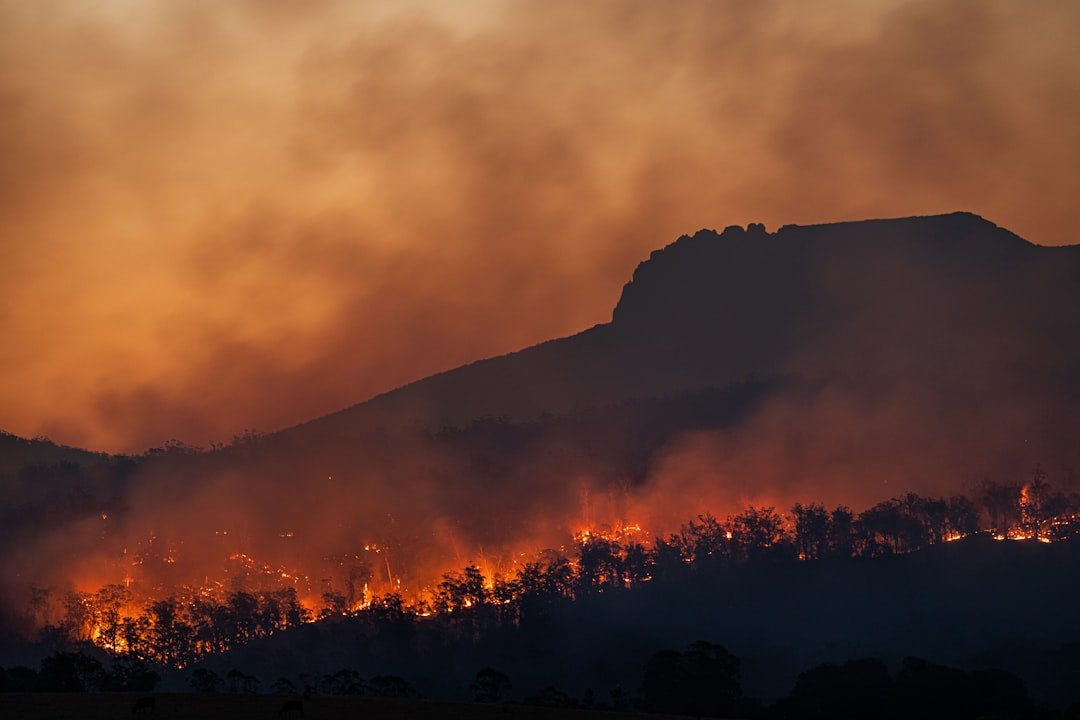
What happens when a record-breaking heat wave collides with a landscape already primed to burn? You get a wildfire season that isn’t waiting for summer—it’s already here, and it’s deadly.
As of June 12, 2025, over 40,000 acres have burned across Utah alone, with multiple large fires raging in the western U.S. The Eagle Point Fire in Utah’s Juab County has consumed 12,500 acres since igniting June 8, forcing evacuations for 1,200 residents. Meanwhile, the Red Butte Fire in northern Arizona has torched 8,900 acres, and California’s Tehama County Complex has burned 6,200 acres near Red Bluff. The common denominator? A sprawling heat dome that’s parked over the West, pushing temperatures to 110°F in places like St. George, Utah, and 115°F in Death Valley.
This isn’t just hot. It’s the kind of heat that dries out vegetation to the point where a single spark—from a car’s exhaust, a downed power line, or a lightning strike—turns into a blowup. And we’ve seen that pattern before.
The Heat Dome: A Recipe for Rapid Fire Growth
The current heat wave, which began on June 5, has shattered records across the Intermountain West. Salt Lake City hit 104°F on June 9, surpassing the previous record of 101°F set in 1988. Las Vegas reached 111°F on June 10, tying its all-time June high. But the real story is the duration: the National Weather Service expects temperatures to stay 15-20°F above normal through at least June 16.
“The combination of extreme heat, low humidity, and gusty winds creates what we call ‘critical fire weather,'” says Dr. Emily Chen, a fire meteorologist with the National Interagency Fire Center. “We’re seeing 1-hour fuel moistures—that’s the moisture content in fine dead vegetation—drop below 5% across much of Utah and Nevada. At those levels, fires don’t just spread; they explode.”
Look at the Eagle Point Fire: it started on June 8 at 2:30 PM near coordinates 39.6°N, 112.1°W. Within four hours, it had grown to 3,000 acres. Winds gusting to 35 mph pushed flames through cheatgrass and pinyon-juniper woodlands—fuel that hadn’t seen moisture in weeks. By the next morning, it was 8,000 acres. Firefighters have only managed 15% containment as of June 12.
This isn’t an isolated event. The Red Butte Fire near Flagstaff, Arizona, started June 9 and grew by 4,000 acres in a single afternoon. And in Colorado, the Aspen Acres Fire—which we covered in detail last month—continues to smolder, reminding us that this season started early and hasn’t let up. Colorado’s Aspen Acres Fire Explodes: A Perfect Firestorm Unleashed showed how a similar heat wave in April primed the region for disaster.
Why This Season Feels Different
We’ve seen early wildfire seasons before—2012, 2020, 2021 all ring bells. But this one has a particular edge. The snowpack in the Wasatch Range was only 60% of normal this winter. Soil moisture across the Great Basin is in the bottom 10th percentile for June. And the heat wave isn’t just affecting the West; it’s part of a larger pattern that’s also bringing dangerous conditions to the eastern U.S.
In fact, the same weather system that’s baking the West is pushing a separate heat dome toward the East Coast. Eastern US Braces for Dangerous Heatwave: ‘This Is a Life-Threatening Event’ highlights how temperatures in Washington, D.C., and New York City could hit 100°F this weekend. That’s a different kind of threat—urban heat island effects, no AC in some older buildings—but it’s all connected to the same atmospheric setup.
“What we’re seeing is a persistent ridge in the jet stream that’s locking in place,” explains Dr. Marcus Reeves, a climatologist at the University of Utah. “It’s like a lid on a pot. The heat builds day after day, and there’s no relief. For the West, that means the fire season starts earlier and lasts longer. We’re seeing fires in June that normally wouldn’t peak until July or August.”
The numbers back him up. According to the National Interagency Fire Center, as of June 12, over 1.2 million acres have burned nationwide in 2025—that’s 40% above the 10-year average for this date. And it’s not just acreage. The Eagle Point Fire has destroyed 14 structures, including 8 homes. A 72-year-old woman in Juab County died of a heart attack during a chaotic evacuation—the first wildfire-related death of the season.
What This Means for You
If you live in the western U.S.—from the Sierra Nevada to the Rockies—you need to pay attention. Right now. The heat wave isn’t just making it uncomfortable; it’s making it dangerous. Here’s what to do:
- Check your evacuation kit. If you’re in a fire-prone area, have a go-bag ready with medications, important documents, and at least three days of supplies.
- Monitor fire conditions daily. Use sites like InciWeb or your local emergency management office. Don’t rely on social media rumors—get your info from official sources.
- Understand the heat index. When it’s 110°F outside, the ground can reach 160°F. That’s enough to cause burns on contact. When 100°F Feels Like an Oven: The Deadly Truth About Heat Index breaks down why this matters, especially for outdoor workers and the elderly.
And look—this isn’t just about the West. The same weather patterns that drive heat waves can also influence storm tracks elsewhere. The Midwest and Southeast are seeing their own extremes, thanks to a different kind of atmospheric setup. Why the Midwest Gets Summer Storms and the Southeast Gets a Steam Bath explains the science behind the split.
The Bigger Picture: A Climate Shift
This isn’t a one-off. Over the past 20 years, the average wildfire season in the western U.S. has lengthened by 75 days. That’s according to a 2023 study from the University of Colorado. The number of large fires (over 1,000 acres) has tripled since the 1980s. And heat waves like this one are becoming more frequent and intense—a trend that scientists link directly to climate change.
“We’re in a new regime,” says Dr. Sarah Jenkins, a fire ecologist at the University of California, Merced. “The old models of fire season—start in July, peak in August, end in October—don’t apply anymore. We’re seeing fires in March and November. And when you combine that with extreme heat, you get conditions that are almost impossible to fight.”
She’s right. The Eagle Point Fire is burning in terrain so rugged that crews can only access 20% of it with vehicles. Air tankers and helicopters are being used, but high winds have grounded flights for two consecutive days. This is a fire that will burn until the weather changes—or until it runs out of fuel.
What’s Next
The heat wave is expected to persist through June 16, with only slight cooling afterward. That means more days of critical fire weather. Fire officials are already warning that the next two weeks could see new ignitions across Nevada, Idaho, and Oregon. And with resources stretched thin—there are currently 35 large fires burning across the West—containment will be a challenge.
For now, the message is simple: stay alert, stay prepared, and don’t underestimate this season. It’s already killed one person. It doesn’t need to kill more.
Frequently Asked Questions
How does the heat wave make wildfires worse?
Extreme heat dries out vegetation, reducing fuel moisture to critically low levels. When combined with low humidity and gusty winds, any ignition source—lightning, power lines, campfires—can cause a fire to spread rapidly. The current heat wave has pushed fuel moistures below 5% in parts of Utah, creating conditions where fires can grow by thousands of acres in hours.
What should I do if I’m in a fire-prone area right now?
Prepare an evacuation kit with essentials (medications, documents, water, food, pet supplies). Sign up for local emergency alerts. Have a plan for where you’ll go and how you’ll get there. If you’re under an evacuation order, leave immediately—don’t wait. Also, avoid activities that could create sparks, such as using lawn mowers or grills near dry grass.
Is this wildfire season expected to be worse than normal?
Yes. As of mid-June 2025, acreage burned is 40% above the 10-year average. The combination of low snowpack, drought, and persistent heat waves suggests the season will be prolonged and severe. The National Interagency Fire Center has raised its preparedness level to 4 out of 5, indicating significant fire activity and limited resources.