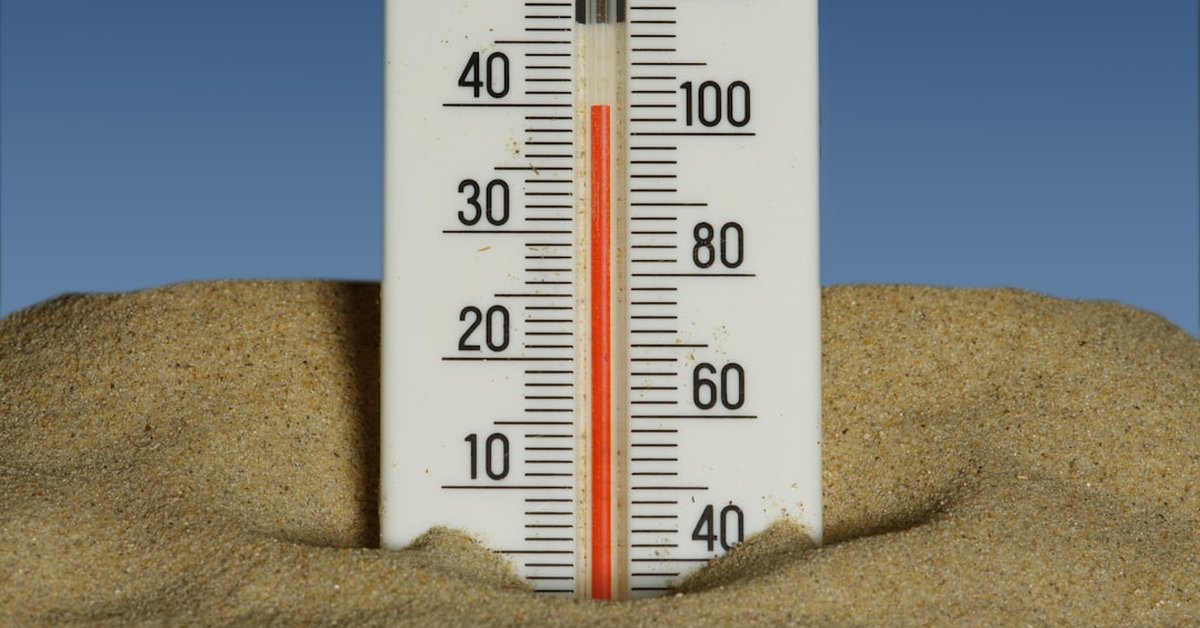








The heat dome that crushed temperature records across Western Europe last week is now sliding east, carrying with it life-threatening conditions for millions of people from Poland to Greece. For anyone living in the path — and that includes parts of Germany, Austria, Czech Republic, Hungary, and the Balkans — this isn’t just uncomfortable weather. It’s a health emergency.
On Monday, Paris hit 42.6°C (108.7°F), smashing the previous July high by nearly two degrees. London recorded 40.2°C (104.4°F) — the first time the city has ever crossed 40°C. And that’s after the heat had already started easing in the west. Now the core of the extreme heat is shifting toward Central and Eastern Europe, where infrastructure is less prepared for sustained temperatures above 38°C (100°F). Berlin is bracing for 39°C by Wednesday; Warsaw could touch 38°C. In Bucharest, forecasters are warning of 42°C with high humidity — a deadly combination that pushes the heat index past 50°C (122°F).
The European heat wave follows a pattern scientists have been warning about for years. A stationary high-pressure system — sometimes called a heat dome — traps hot air and intensifies it. The result is not just a few hot days but a prolonged event with no overnight relief. Reuters reports that this is the third major heat wave in Europe this summer alone. And each one has been more intense than the last.
Warnings Are Escalating – And They’re Not Just About the Temperature
Meteorologists across the continent are upgrading heat warnings from orange to red — the highest alert level. Red means extreme danger. Even healthy people can suffer heat stroke or organ damage within hours of exposure. The elderly, children, pregnant women, and those with chronic conditions are most at risk, but this heat wave doesn’t discriminate.
“We’re seeing emergency room visits spike by 300 to 400 percent in cities like Lyon and Munich,” says Dr. Elena Vasquez, a public health specialist at the European Centre for Disease Prevention and Control (ECDC). “The human body simply can’t cool itself when nighttime temperatures stay above 25°C and humidity is high. People are dying in their homes because they don’t have air conditioning — or they can’t afford to run it.”
The numbers back her up. France logged 1,000 excess deaths in July heat wave, officials confirmed. That’s not a statistic — that’s a thousand families. And now the same weather pattern is moving east. Italy’s health ministry has activated a national heat emergency plan for 27 cities, including Rome, Florence, and Bologna.
But here’s the thing: heat waves are silent killers. There’s no dramatic wind or floodwater; just a slow, suffocating pressure that grinds down the body. People don’t realize how dangerous it is until it’s too late.
How to Stay Cool When the Air Feels Like an Oven
If you’re in the affected zone — or you’re traveling there — here’s what the experts say. This advice is literal life-saving.
First, hydration. Drink water before you feel thirsty. Thirst is a late sign of dehydration. Aim for 200-300ml every hour if you’re sedentary, more if you’re moving. Avoid alcohol, caffeine, and sugary drinks, because they pull water out of your cells.
Second, cool your environment. If you have air conditioning, use it. If not, wet a towel and put it on your neck, wrists, and ankles — major pulse points. Take cool (not ice-cold) showers. Close curtains and blinds during the day; open windows at night if it’s cooler outside. The CDC’s heat safety guide recommends staying on the lowest floor of your home because hot air rises.
Third, limit outdoor activity. If you must go out, do it before 10 a.m. or after 6 p.m. Wear light-colored, loose clothing. Use a wide-brimmed hat and sunscreen. And check on elderly neighbors or relatives — they may not realize how fast they’re overheating. Some European cities have opened cooling centers in public buildings. Find your local one.
“One of the most effective things you can do is find a public space with air conditioning for a few hours a day,” says Dr. Janusz Kaczmarek, a climate adaptation researcher at the University of Warsaw. “Even a library or shopping mall can reset your core temperature and prevent heat stroke.”
Don’t forget your pets. Dogs and cats can overheat too. Provide plenty of water, don’t walk them on hot pavement, and never leave them in a parked car — even for a minute.
Why This Heat Wave Is Different – and What Comes Next
Heat waves have hit Europe before, of course. The 2003 event killed an estimated 70,000 people across the continent. But what’s alarming this year is the frequency and intensity of back-to-back events. In the past six weeks, Western Europe has endured three distinct heat waves — each one more severe than the last. This latest event is projected to last at least 10 days in the east, and models suggest another surge of heat could follow in early August.
“We’re seeing a fundamental shift in the atmospheric circulation patterns over the North Atlantic,” explains Dr. Hannah Reich, a meteorologist at the German Weather Service (DWD). “The jet stream is becoming wavier, which allows these heat domes to stall and intensify. That’s why records are falling by wide margins, not just a tenth of a degree.”
Depressingly, this is consistent with climate projections. Global warming increases the odds of extreme heat events. A study published last year by the UK Met Office found that the chance of a 40°C day in the UK has gone from about once in 1,000 years in the pre-industrial climate to once in 100 years today. If emissions continue, it could be once a decade by 2100.
Meanwhile, the heat is exacerbating other problems. Wildfires have broken out in Portugal, Spain, and southern France, forcing evacuations. In Germany, low water levels on the Rhine are threatening barge traffic — a key supply chain route. And crop losses due to drought are expected to push food prices higher this autumn.
One interesting counterpoint: while most of Europe is baking, a small coastal city in Western Sahara — Dakhla — is experiencing unusually mild temperatures thanks to the cool Canary Current. Why Dakhla might be the coolest place on Earth (literally) during a heat wave. It’s a reminder that geography matters — and that no one is immune to the broader trend.
Looking Ahead: The Heat Wave Isn’t Over
Forecasters expect the heat dome to weaken slightly by the weekend, but temperatures will remain well above average across Eastern Europe into next week. The real danger is cumulative: days of heat stress wear down the body, infrastructure, and coping mechanisms. Emergency services are stretched thin, and in some regions, power grids are struggling to keep up with cooling demand.
If you’re in Europe, pay attention to local warnings. Download a reliable weather app, know the symptoms of heat exhaustion (dizziness, nausea, cool clammy skin) versus heat stroke (hot red skin, confusion, loss of consciousness), and act fast. This isn’t a vacation inconvenience — it’s a matter of life and death.
Climate scientists say that without sharp reductions in greenhouse gas emissions, Europe will continue to see more frequent, more intense heat waves. But even on an individual level, preparation and awareness can save lives. Stay cool. Stay informed. Look out for one another.
Frequently Asked Questions
What are the symptoms of heat stroke?
Symptoms include a core body temperature above 40°C (104°F), red and hot skin that is dry (no sweating), rapid strong pulse, throbbing headache, dizziness, nausea, confusion, and unconsciousness. Heat stroke is a medical emergency — call emergency services immediately and try to cool the person with wet cloths or ice packs.
Should I exercise outdoors during a heat wave?
No. The American College of Sports Medicine advises against strenuous exercise when the heat index exceeds 32°C (90°F). If you must exercise, do it early in the morning or late in the evening, reduce intensity, and drink 200-300ml of water every 20 minutes. Listen to your body — if you feel dizzy or nauseated, stop and cool down.
Are fans effective during extreme heat?
Fans can help if the room temperature is below 35°C (95°F). Above that, fans actually blow hot air onto your body, increasing heat stress by convection. The World Health Organization recommends using fans only when the air is cooler than your body. Better options: take a cool shower, apply wet towels, or go to an air-conditioned public building.