






“Heat is a silent killer, and these numbers prove it’s anything but silent anymore,” said Dr. Sophie Lambert, chief epidemiologist at Santé Publique France, the national health agency.
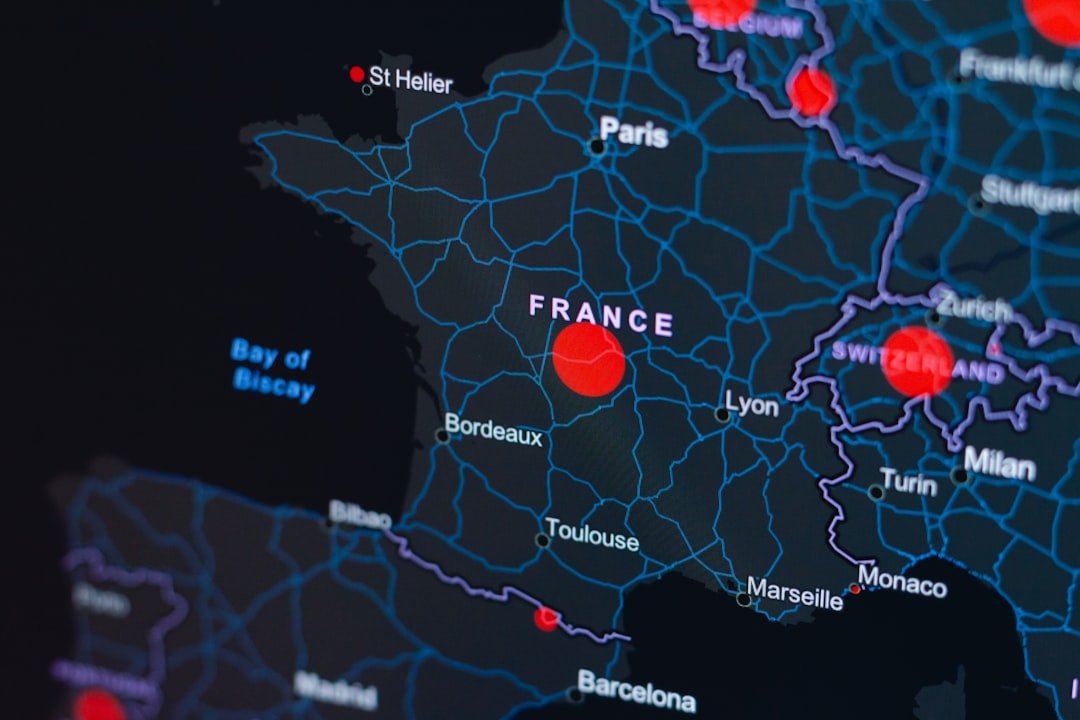
The agency’s first estimates, released Thursday, put the death toll from the July heat wave at over 1,000 excess deaths — with hundreds more deaths per day compared with the same period in previous years. This isn’t just a statistic. It’s the deadliest extreme weather event France has seen since the catastrophic 2003 heat wave, which killed nearly 15,000 people across the country.
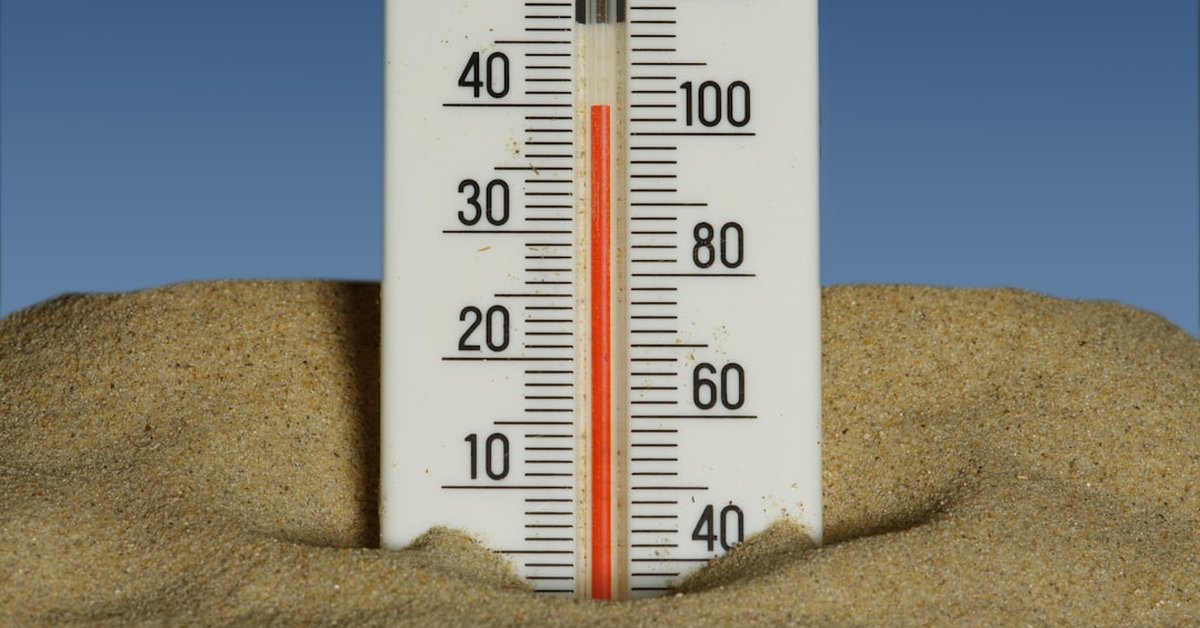
Between July 18 and July 24, temperatures in Paris hit 42.3°C (108.1°F) at the Montsouris station — the third-highest temperature ever recorded in the capital. And it wasn’t just Paris. Cities like Lyon, Dijon, and Bordeaux shattered all-time records, with Lyon topping 41.4°C (106.5°F).
The Anatomy of a Heat Catastrophe
Look, heat waves are a known killer — they’re actually the deadliest natural hazard in Europe. But the data from this event is staggering even by recent standards. Santé Publique France reported that during the peak of the heat wave, mortality spiked by 46% above the baseline. That’s nearly 50% more deaths than expected for that time of year.
The excess deaths aren’t just older people either. Dr. Lambert noted that the mortality increase was seen across all age groups, including adults aged 15 to 44 — a group rarely hit this hard. “We’re seeing heat stress affect younger, healthy populations in ways we haven’t documented before,” she told CyclonePost. “This is a red flag.”
France’s health minister, François Braun, announced an emergency review of the country’s heat-wave warning system. The current system — which uses a color-coded alert scale from green to red — was upgraded after 2003. But clearly, it’s not enough. The heat wave triggered red alerts in 15 départements, yet many vulnerable people still died at home without access to cooling centers.
And here’s the thing: this wasn’t even the hottest July on record globally. That distinction belongs to July 2023, according to NASA data — but France just saw its own localized records fall like dominoes.
Excess Deaths: What the Numbers Really Mean
“Excess deaths” isn’t some vague bureaucratic term. It’s a hard number: the difference between observed deaths and the average number of deaths for that same period over the previous five years. For the week of July 18-24, France recorded 2,467 total deaths. The baseline? Around 1,500. So you’re talking 967 extra people dead in seven days.
Let me put that in perspective. That’s more deaths than the Netherlands lightning storm that produced 100,000 strikes in six hours — that event caused zero direct fatalities. Heat is a different beast entirely.
The hardest-hit regions were the Auvergne-Rhône-Alpes, Provence-Alpes-Côte d’Azur, and Île-de-France. In Lyon’s metropolitan area alone, excess deaths reached 112 for the week. Many of these deaths occurred in urban heat islands — dense city blocks where concrete and asphalt trap heat, driving nighttime temperatures above 25°C (77°F). When your body can’t cool down at night, that’s when heatstroke and cardiovascular collapse happen.
France’s elderly population is especially vulnerable. Over 9 million people in France are 75 or older — that’s about 13% of the population. Many live alone. And during the July heat wave, the highest mortality rates were concentrated in this group, with a 72% increase in deaths among those 75 and up.
Climate Change Is Reshaping Risk Zones
This story isn’t isolated to France, either. The same weather pattern — a stationary high-pressure system over Western Europe — caused simultaneous heat waves across the UK, Spain, and Germany. The UK recorded its first-ever 40°C (104°F) day in July 2022, and while 2023 didn’t break that mark, the frequency of these events is accelerating.
Dr. Marco Delgado, a climate researcher at the University of Barcelona, studies heat-wave trends across southern Europe. “What we’re seeing in France is a preview of what’s becoming the new normal,” he said. “Models show that by 2050, heat waves like this could occur every other year. The infrastructure isn’t built for it.”
He’s not wrong. France’s electric grid nearly collapsed during the heat wave, with demand for air conditioning — still not widely installed in homes — surging by 15%. The country’s nuclear power plants, which rely on river water for cooling, had to reduce output because the Loire and Rhône rivers were too warm. So you’ve got a double whammy: more people dying from heat, and the system that keeps people alive starts failing.
Compare that to Buffalo, New York, which data shows has the worst overall weather in the US — but at least that city deals with snow and cold, not killer heat waves that overwhelm infrastructure. Different hazards, same need for adaptation.
What France Is Doing — And What’s Still Missing
After the 2003 catastrophe, France rolled out the Plan Canicule (Heatwave Plan), which triggers public alerts, opens cooling centers, and sends health workers to check on elderly people. And it helped. During the 2006 heat wave, deaths were significantly lower.
But this July’s toll shows the plan has gaps. For one thing, the cooling centers — often located in public buildings like schools and gyms — aren’t always open at night, when heat stress peaks. And people living in rooftop apartments or poorly insulated housing simply can’t get relief.
Dr. Lambert called for mandatory installation of reflective roofing materials in new construction and subsidies for heat pumps. “We need a building code revolution, not just a weather alert system,” she said.
The government is also considering expanding the heat-alert system to include a new “black alert” — a step beyond red — for extreme heat events like this one. Black alerts would trigger automatic work stoppages and mandatory opening of public cooling shelters.
But for now, the 1,000-plus excess deaths stand as a grim tally. And with forecasters already warning about a potential record-shattering heat wave in 2025, France — and the rest of Europe — has a short window to figure out how to survive the next one.
Frequently Asked Questions
What is an excess death?
An excess death is the difference between the number of deaths observed during a specific time period and the expected number of deaths based on historical averages. In this case, Santé Publique France compared deaths during the July heat wave to the average for the same week over the previous five years. The excess count reflects deaths directly or indirectly caused by the extreme heat, including heatstroke, cardiovascular events, and complications from preexisting conditions exacerbated by high temperatures.
Why did this July heat wave kill so many people in France?
Several factors contributed: record-breaking temperatures exceeding 42°C in some cities; prolonged duration — the heat lasted nearly a week with no nighttime cooling; a high concentration of elderly people living alone; inadequate air conditioning in French homes; and a strain on emergency services and hospitals. The heat wave also overlapped with a holiday period, meaning fewer health care workers were available to respond.
How does this compare to France’s 2003 heat wave?
The 2003 heat wave killed nearly 15,000 people in France over two weeks, making it the deadliest in modern European history. The July 2023 event was shorter (7 days vs. 14 days) and didn’t reach quite the same extreme temperatures across the entire country. However, the 2023 heat wave was concentrated in urban areas and hit younger populations harder than 2003. The total excess deaths of 1,000 is lower than 2003’s toll, but the per-day death rate was comparable in the hardest-hit regions.