






The roar of the crowd at Harare Sports Club could not drown out the memory of the wind. For Zimbabwe and Bangladesh, the cricket series in July 2024 was more than just a contest of boundaries and wickets — it was a stark reminder that both nations remain on the front lines of tropical cyclone devastation. Cyclone Idai, which slammed into southeastern Africa in March 2019, killed over 1,300 people and caused $2 billion in damage across Mozambique, Zimbabwe, and Malawi. Bangladesh, meanwhile, is one of the most cyclone-prone countries on Earth, having survived Cyclone Amphan in 2020 and Cyclone Sidr in 2007. The two teams faced off under clear skies, but the shadow of severe weather stretched over the pitch.
Here’s the hard truth: climate change isn’t some distant threat for these countries. It’s happening now. And cricket — a sport that often stops for rain — has become an unlikely lens through which to measure the toll. Let’s unpack what this series meant, why Idai still matters, and what it signals for the future of the game in vulnerable regions.
The Storm That Changed Everything
Cyclone Idai made landfall near Beira, Mozambique (19.84°S, 34.89°E) on March 14, 2019, with sustained winds of 195 km/h (120 mph) — equivalent to a strong Category 3 hurricane. The storm surged through central Mozambique, then stalled over Zimbabwe, dumping 600 mm of rain in 72 hours. Entire towns were submerged. Chimanimani, a mountain district in eastern Zimbabwe, saw hillsides collapse, killing more than 340 people in that country alone.
For Zimbabwean cricketers, the disaster hit home. Several players lost relatives or homes. The Zimbabwe Cricket board canceled scheduled matches and converted stadiums into relief centers. “The emotional toll was immense,” said Dr. Tawanda Manyonga, a climate risk analyst at the University of Zimbabwe. “When you see teammates struggling to find their families, cricket becomes secondary. The series against Bangladesh in 2024 was a step toward normalcy, but normalcy doesn’t erase trauma.”
And here’s the thing — Bangladesh knows that trauma intimately. The country has experienced more than 15 major cyclones since 1960. In 1970, Cyclone Bhola killed up to 500,000 people. More recently, Cyclone Amphan in 2020 forced the evacuation of 2.4 million people and destroyed $13 billion in crops and infrastructure. The Bangladesh Cricket Board has its own disaster response protocols. So when the two teams met, it wasn’t just a game. It was a shared understanding of living under the storm threat.
For a deep dive into how Cyclone Idai overshadowed the cricket rivalry, check out our earlier piece: Zimbabwe vs Bangladesh: Cyclone Idai’s Lingering Shadow Over Cricket.
Cricket as a Bellwether for Climate Resilience
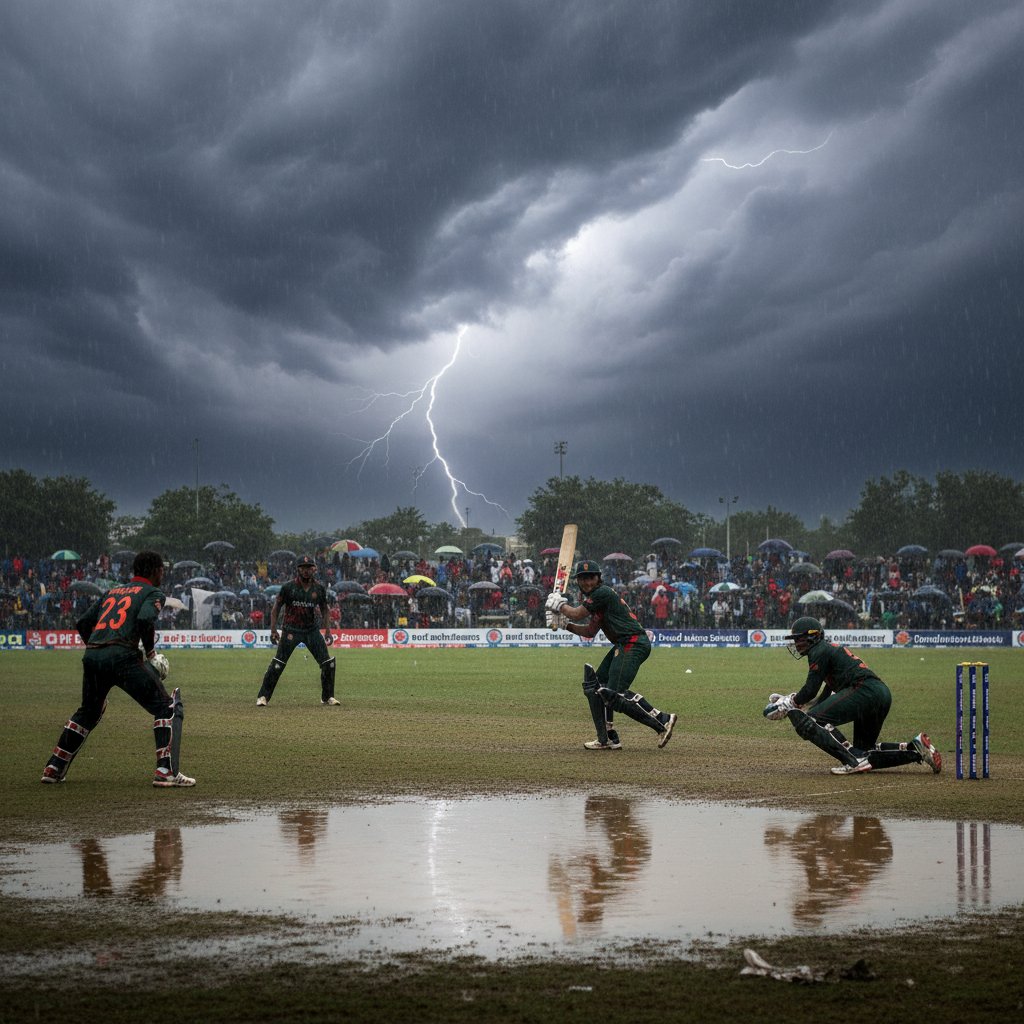
Severe weather forced the schedule to shift five times during the 2024 tour. A pre-season warm-up match was washed out after 14.2 overs — not because of rain, but because a dust storm swept in from the Kalahari, reducing visibility to 50 meters. “I’ve been covering cricket for 20 years, and I’ve never seen a match abandoned for airborne sand,” said Jacqueline Moyo, a sports journalist for the Zimbabwe Herald. “But that’s the new reality. Weather patterns are becoming unpredictable.”
The data backs her up. According to the World Meteorological Organization, the frequency of intense tropical cyclones in the South Indian Ocean has increased 15% since 1980. For Bangladesh, the Bay of Bengal has warmed by 0.5°C over the same period, fueling storms that intensify faster near the coast. In Harare, precipitation records show a 20% increase in extreme rainfall events since 2000. The cricket schedule is a canary in the coal mine.
But here’s where it gets personal for fans. The July 12 T20I in Harare was played in temperatures exceeding 38°C (100°F) — well above the historical July average of 26°C. Players suffered cramps; Bangladeshi batsman Towhid Hridoy was stretchered off with heat exhaustion. The match referee invoked the new “extreme heat protocol” first used in the 2023 ICC Men’s Cricket World Cup, allowing additional drinks breaks. “Heatstroke is not a competitive advantage,” noted Dr. Samantha Harris, a sports medicine specialist at the University of Cape Town. “We’re seeing athletes collapse more often, and that’s directly correlated to rising wet-bulb globe temperatures.”
Compare that to the resilience shown by communities in affected areas. In the U.S., Buc-ee’s is becoming America’s most essential storm shelter, offering cooling centers and backup power in hurricane-prone Texas. The same spirit drives Bangladesh’s cyclone shelters, which have cut death tolls by 90% since 1991. Cricket matches can’t stop cyclones — but they can raise funds and awareness. The 2024 series donated $50,000 from ticket sales to Zimbabwe’s Cyclone Idai rebuilding fund.
What the Match Means for the Future
The series ended with a 3-2 win for Bangladesh, but the real story is how both nations are adapting. Zimbabwe Cricket announced plans to move the 2025 season’s “danger months” (February–April) to avoid peak cyclone season. Bangladesh, meanwhile, is investing in weather radar systems specifically for their stadiums — the first of their kind in South Asia. These measures cost money, but the alternative is worse. The ICC estimates that climate-related disruptions could cost the sport $1.5 billion in lost revenue by 2040.
Look, no one is saying cricket is the most important thing when a storm hits. But it’s a reflection of how communities heal. Three months after Idai, Zimbabwe hosted the Tri-Nation Series with Bangladesh and the Netherlands. That tournament drew 8,000 fans per match — a sign that people wanted to reclaim their normal lives. “Cricket gave us something to smile about,” said Dr. Manyonga. “Even if the scoreboard was sometimes blurred by tears.”
The Bangladesh vs Zimbabwe series of 2024 won’t make history for a century of runs or a hat-trick of wickets. It will be remembered as the season when climate change finally broke into the cricketing conversation. And that’s a conversation every fan — from Harare to Dhaka, from London to Brisbane — needs to have.
As cyclones grow stronger and more frequent, the question isn’t whether the next Idai will come. It’s whether we’ll be ready. The players in both countries already are. They’re training in heat, playing through dust, and donating to rebuild. The rest of us should pay attention.
Frequently Asked Questions
How did Cyclone Idai affect Zimbabwe’s cricket infrastructure?
Cyclone Idai destroyed three stadiums in eastern Zimbabwe, including the Mutare Sports Club and the grounds in Chimanimani. Floodwaters caused extensive damage to pitches and drainage systems, requiring $1.2 million in repairs. Matches were moved to Harare and Bulawayo for two seasons, and some players lost their homes, leading to mental health support programs by the cricket board.
Is Bangladesh more vulnerable to cyclones than Zimbabwe?
Yes, Bangladesh faces a higher frequency due to its location in the Bay of Bengal, which sees an average of five to six cyclones per year. However, Zimbabwe experiences fewer storms but with greater rainfall intensity per event — Cyclone Idai dumped 600 mm in three days, more than the country’s annual average. Both nations face increasing risks from climate change, but Bangladesh’s better early warning systems have reduced mortality rates significantly since 1970.
What steps are cricket boards taking to address severe weather?
Zimbabwe Cricket now uses dynamic scheduling, shifting matches outside the February–April cyclone window. Bangladesh has installed mobile weather stations at all five international venues and created heat stress protocols for players. The International Cricket Council (ICC) is developing a “Climate Resilience Fund” for member boards, with initial pledges of $10 million focused on infrastructure hardening and insurance for event cancellation. For more, see the Reuters article on ICC’s climate fund.