






“The human body isn’t designed for this, and neither is the infrastructure,” warns Dr. Elena Rossi, a climate adaptation specialist at the University of Bologna. “We’re seeing a dangerous combination of record-breaking temperatures and a lack of basic cooling infrastructure in many European cities.”
And she’s not exaggerating. As another blistering summer descends upon the continent, millions of tourists are packing their bags and heading straight into the furnace. But here’s the thing: you don’t have to cancel your trip. You just need to be smarter about it.
What’s Actually Happening in Europe Right Now?
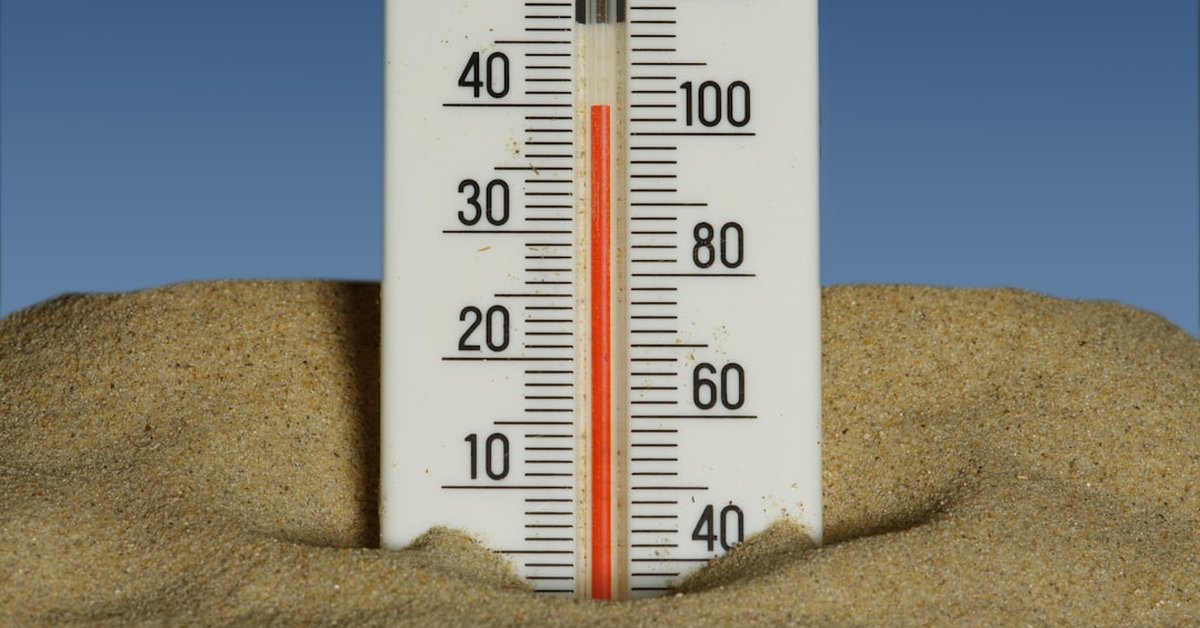
The numbers are sobering. In July 2025, parts of southern France and Spain saw thermometers hit 44°C (111°F) — that’s not just hot, that’s life-threateningly hot. Meanwhile, the dew point of 24.9°C hit Cornwall, making the air feel like a wet blanket. The UK, a place not exactly known for its scorching summers, is now bracing for 40°C summers as a recurring reality. And France’s heatwave has already killed 18 people this season — a silent crisis that most tourists don’t hear about until they’re already on the ground.
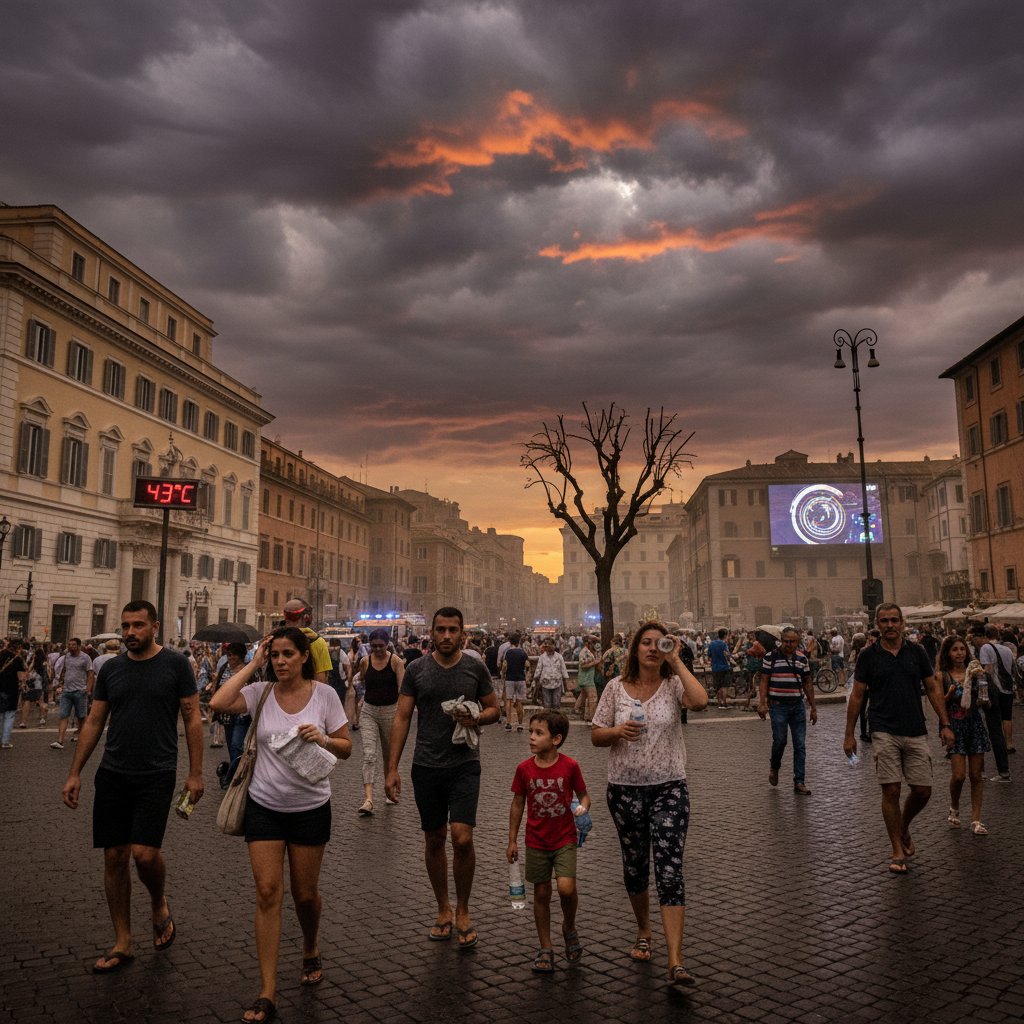
Look, the romantic image of sipping espresso in a sun-drenched Roman piazza? That’s a fantasy when the pavement is radiating 50°C heat back at you. The reality is that heat waves are becoming more frequent, more intense, and they’re not just uncomfortable — they’re dangerous.
Before You Go: The Critical Planning Phase
Most travelers make the same mistake: they book their flights and hotels based on price and availability, not on climate resilience. That’s a problem. Because when the mercury hits 40°C, the cheapest Airbnb with no air conditioning becomes a health hazard, not a bargain.
So what should you do before leaving? Start by checking the forecast — not just the temperature, but the heat index. That’s the “feels like” number that accounts for humidity. A 35°C day with high humidity can feel like 45°C. And that’s when your body starts to struggle.
Then, check your accommodation. Does it have reliable air conditioning? Not a window unit that rattles all night, but real, working AC. In many older European buildings — especially in Paris, Rome, or Barcelona — air conditioning is still a luxury, not a standard feature. Don’t assume it’s there. Ask explicitly. And if the listing says “portable fan” or “cross-breeze,” that’s code for “you’re going to suffer.”
Pro tip: Book a hotel with a pool or at least access to a public pool or beach. Even a 15-minute dip can lower your core body temperature and make the heat bearable.
Packing Smart: Your Survival Kit
Here’s where most people get it wrong. They pack for fashion, not for function. But in a heat wave, function wins. So leave the jeans at home. Pack lightweight, loose-fitting clothing in light colors. Cotton, linen, or bamboo — synthetic fabrics trap heat and sweat, making you feel worse.
More importantly, bring a reusable water bottle. Not a tiny one. A big one. Dehydration is the number one cause of heat-related illness in tourists. You need to be drinking water constantly, not just when you’re thirsty. And here’s a fact that might surprise you: thirst is a lagging indicator. By the time you feel thirsty, you’re already dehydrated.
Also, don’t forget a wide-brimmed hat, sunglasses with UV protection, and high-SPF sunscreen. Sunburn isn’t just painful — it impairs your body’s ability to cool itself. And that’s a recipe for disaster in a heat wave.
Navigating the Heat: What to Do and Where to Go
So you’ve arrived, and it’s 38°C at 10 a.m. Now what? First, accept that your original itinerary is dead. You’re not going to climb the Eiffel Tower at noon. That’s not bravery, that’s stupidity. Instead, plan your day around the heat. Do outdoor activities early in the morning — before 10 a.m. — or late in the evening, after 6 p.m. And during the midday hours, from 11 a.m. to 4 p.m., stay indoors.
But not just any indoors. Look for places with air conditioning. Museums, shopping malls, large department stores, and even some churches are air-conditioned. Do your research before you go. And if you can’t find AC, find shade. Parks with big trees, covered plazas, or even a shady café can be cooler than direct sun.
And here’s a trick that Europeans know well: the siesta. In many Mediterranean countries, businesses close for 2-3 hours in the afternoon. That’s not laziness. It’s survival. Follow their lead. Take a nap in your air-conditioned room. Rest. Your body needs it.
“We’re seeing tourists collapse in the streets every summer now,” says Dr. Marco Bellini, an emergency physician at Rome’s Umberto I Hospital. “They’re not acclimated, they’re not hydrating, and they’re pushing themselves too hard. By the time they get to us, their core temperature is often above 40°C. That’s a medical emergency.”
Dr. Bellini’s advice for tourists is simple: slow down. You’re not on a race. You’re on vacation. If you feel dizzy, nauseous, or get a headache, stop immediately. Find a cool place. Drink water. And if your skin turns red, hot, and dry, and you stop sweating — that’s heat stroke. That’s a 911 call.
The Hidden Danger: Humidity and Dew Point
Most tourists only look at the temperature. But humidity is the real killer. When the air is already saturated with moisture, sweat can’t evaporate. And evaporation is how your body cools itself. Without it, your core temperature rises quickly.
That’s why the dew point matters. A dew point above 21°C (70°F) feels oppressive. Above 24°C (75°F), it’s dangerous. And when it hit 24.9°C in Cornwall? That was unprecedented. For context, that’s the kind of humidity you’d expect in the Amazon rainforest, not in the UK. So if you’re traveling to a coastal area or a city near a large body of water, check the dew point before you plan your day.
And here’s something else: the humidity makes the heat feel worse at night. When it doesn’t cool down below 25°C at night, your body never gets a break. That leads to poor sleep, increased fatigue, and a higher risk of heat illness the next day. So if your hotel room doesn’t have AC, you might need to reconsider your plans.
What About the Kids and the Elderly?
If you’re traveling with children or elderly relatives, you need to be extra careful. Children’s bodies heat up faster than adults’, and they don’t always recognize the signs of overheating. Elderly people, especially those with chronic health conditions, are also at higher risk. Their bodies don’t regulate temperature as well, and many medications can interfere with heat regulation.
For kids, keep them in the shade, make them drink water every 20 minutes (even if they say they’re not thirsty), and never leave them in a car — even for a minute. Cars can heat up to 50°C inside within 10 minutes on a hot day.
For elderly travelers, check on them frequently. Make sure they’re staying hydrated and cool. And if they’re taking medication, ask their doctor if it affects heat tolerance. Some blood pressure medications and antidepressants can make heat illness more likely.
When to Change Your Plans
Sometimes, the smartest thing you can do is change your plans. If a heat wave is forecast for the dates you’re traveling, consider shifting your trip to a cooler region. Northern Europe — Scandinavia, the UK, the Baltics — is often much cooler than the Mediterranean in summer. Or choose a city at a higher altitude, like Innsbruck, Austria, or Grindelwald, Switzerland.
But if you can’t change your destination, change your activities. Skip the outdoor walking tour. Book a food tour in an air-conditioned restaurant. Visit a museum in the afternoon. Go to a movie. Or just sit in a café and watch the world go by. That’s vacation too.
And if you’re traveling in a group, don’t be afraid to split up. If half the group wants to hike and the other half wants to sit by a pool, that’s fine. Don’t force everyone to suffer together.
The Bottom Line: Don’t Be a Statistic
Every summer, tourists die in European heat waves. They’re not the headlines in the local news, but they’re real. And they’re preventable. So don’t be a statistic. Be prepared. Be flexible. And listen to your body.
The good news is that European cities are starting to adapt. Many are opening cooling centers, installing misting fans in public squares, and extending pool hours. Some are even planting more trees and creating green spaces to combat the urban heat island effect. But these measures are still in their early stages. For now, the responsibility for your safety falls on you.
So go ahead, enjoy your European vacation. But do it smart. Because the heat isn’t going anywhere — and neither are the tourists. Let’s just make sure we’re all smart enough to survive it.
Frequently Asked Questions
What’s the difference between heat exhaustion and heat stroke?
Heat exhaustion comes first. Symptoms include heavy sweating, weakness, cold and clammy skin, a fast but weak pulse, nausea, and fainting. If you don’t cool down, it can progress to heat stroke. Heat stroke is a medical emergency. Symptoms include hot, red, dry skin (no sweating), a strong and fast pulse, confusion, and loss of consciousness. If you suspect heat stroke, call 911 immediately.
Should I cancel my trip if there’s a heat wave?
Not necessarily. But you should adjust your expectations and plans. If you can, choose a cooler destination or travel dates. If not, prepare with proper clothing, hydration, and a flexible itinerary that avoids the midday sun. Many tourists have safe and enjoyable trips during heat waves — they just do it differently than they planned.
Is it safe to travel to Europe in July and August?
July and August are peak tourist season, and they’re also the hottest months. It’s safe if you’re prepared. But if you’re sensitive to heat, have health conditions, or are traveling with young children or elderly relatives, consider shoulder season (May-June or September-October) instead. The weather is milder, and crowds are smaller.