






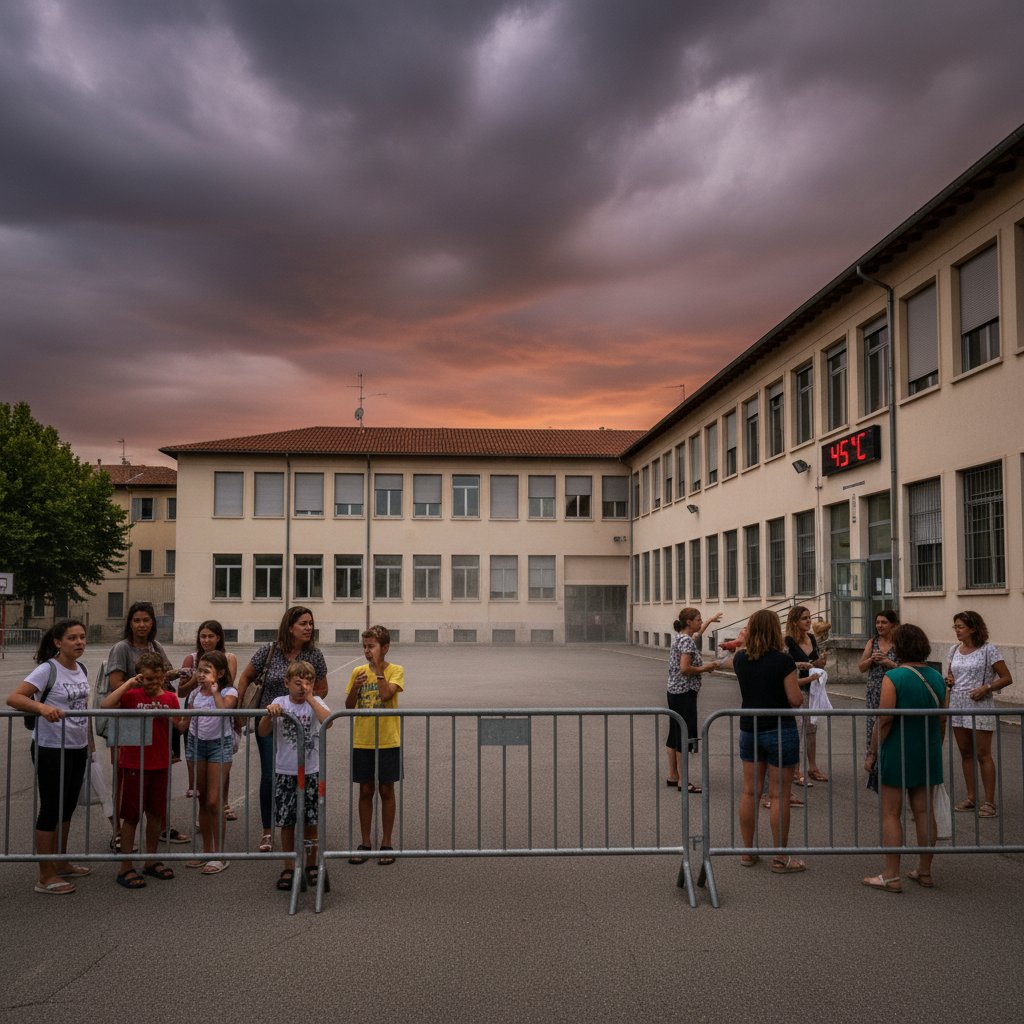
Should schools stay open when classrooms turn into furnaces? That’s the question dividing parents, teachers, and officials across Britain and France this summer — and the answer isn’t as simple as you’d think.
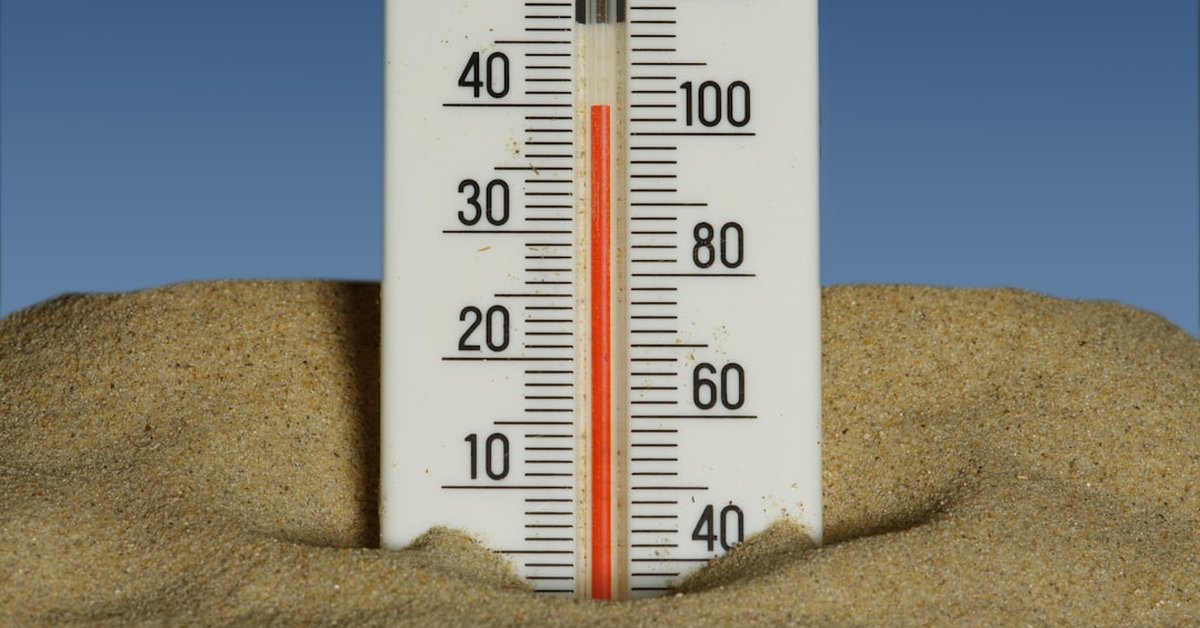
Europe is roasting again. July 2024 brought yet another blistering heat wave, with temperatures in London hitting 38°C (100°F) and Paris sweltering at 40°C. And here’s the kicker: few schools in either country have air-conditioning. It’s a problem that’s been building for years, but this summer it’s reached a breaking point. Some districts are keeping kids home, others are soldiering on, and no one seems sure what’s right.
The AC Gap: Why European Schools Are Unprepared
Walk into any British or French school built before 2000 — and that’s most of them — and you’ll find thick stone walls, tall windows, and radiators that pump heat like crazy in winter. But air-conditioning? Almost none. The new reality of extreme heat waves has exposed a massive infrastructure gap. In the UK, less than 5% of schools have any form of mechanical cooling, according to a 2023 government report. In France, it’s only slightly better — maybe 10% — because southern regions have long dealt with hotter summers. But the rest? They’re baking.
Why no AC? Cost, mostly. Installing centralized air in a Victorian-era building can run hundreds of thousands of euros. Plus, there’s the environmental argument — AC units guzzle energy and release potent greenhouse gases. But when temps hit triple digits, those arguments sound hollow to a sweaty kid trying to take a math exam.
Look, it’s not just about comfort. It’s about health. Extreme weather is rewriting forest maps and it’s also rewriting the rules inside classrooms. Heat stress can cause dizziness, nausea, even heat stroke — especially for young children whose bodies regulate temperature less efficiently than adults. Teachers report kids nodding off, getting headaches, or just zoning out. Learning stops.
A Dangerous Catch-22: Health Risks vs. Learning Loss
So you’d think closing schools would be the obvious move, right? But it’s not that simple. Close a school and parents scramble for childcare. Kids lose learning time. Low-income families get hit hardest — they can’t afford nannies or stay-at-home parents. “We’re trapped between a rock and a hot place,” says Dr. Elena Marchetti, a heat health researcher at the University of Bologna. “Keeping schools open poses real health risks, but closing them widens educational inequality. There’s no good option.”
“We’re trapped between a rock and a hot place. Keeping schools open poses real health risks, but closing them widens educational inequality. There’s no good option.” — Dr. Elena Marchetti, University of Bologna
In Paris, the city experimented with ‘cool corridors’ — moving students to shaded courtyards, handing out water bottles, and canceling afternoon sports. But some parents protested. “They kept my seven-year-old in a room that felt like an oven,” one mother told Le Monde. “He came home flushed and exhausted. What’s the point of education if you’re too sick to learn?” Meanwhile, in London’s East End, a primary school closed for two days after teachers threatened to walk out. The headteacher called it a “health and safety crisis.” But other districts stayed open, arguing that children in poverty rely on school meals and structure.
The divide isn’t just between countries — it’s within them. Northern UK schools (which rarely see 30°C) dismiss early; southern schools push through. French schools in Brittany close; those in Provence, accustomed to heat, stay put. It’s a patchwork of confusion.
What History Tells Us About Heat and Education
Europe has always had hot summers, but this is different. The continent is warming roughly twice as fast as the global average, according to the European Environment Agency. Heat waves that used to hit once a century now hit every few years. And schools haven’t caught up.
Prof. James Whitfield, an education policy expert at the University of Oxford, points to historical parallels: “Before widespread heating, schools closed during cold snaps. Now the threat is heat. But we’ve spent 100 years building for cold winters, not hot summers. Retrofitting is expensive, but doing nothing is costlier.” He notes that Japan, which faces similar heat challenges, has adopted lighter uniforms, adjusted schedules, and installed simple fans and misters — low-tech solutions that work. “Europe could learn a lot,” he says.
But there’s a stubborn cultural barrier. “We don’t do AC in Europe” is a common refrain — part environmental ethos, part thrift. Yet as greenhouse gas emissions continue to rise, the luxury of that stance is fading. Schools can’t rely on stone walls forever. Something’s got to give.
The Way Forward: Adaptation or Acceptance?
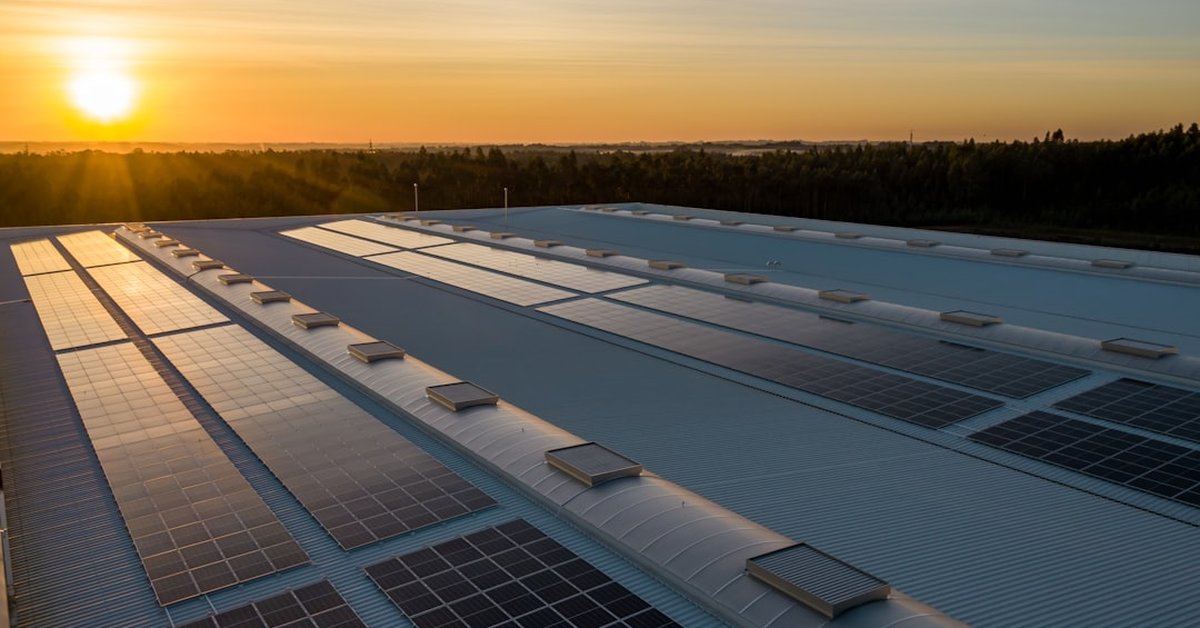
So what happens next? Some cities are already planning. London’s mayor announced a £10 million fund to install shading, fans, and green roofs on schools. France’s education ministry published guidelines — start earlier, finish earlier, use the coolest rooms. But critics say these are band-aids. Real adaptation means redesigning school buildings: better insulation, reflective roofing, solar-powered AC units.
It also means facing a tough reality. As equatorial Rossby waves continue to drive extreme weather patterns, heat waves will become longer and more intense. The question isn’t whether schools will need cooling — it’s whether societies will invest now or pay later. And in the meantime, parents, teachers, and officials will keep arguing, kids will keep sweating, and every heat wave will bring the same agonizing decision.
One thing’s clear: the old European school — thick walls, no AC, open windows — was built for a climate that no longer exists. Adapt or fry. That’s the choice.
Frequently Asked Questions
Why don’t European schools have air conditioning?
Most European schools were built in an era when extreme heat was rare. Their design prioritized retaining heat in winter — thick walls, large radiators, no mechanical cooling. Installing AC is expensive and sometimes complicated by historic building regulations. There’s also cultural resistance: many Europeans view AC as unnecessary, energy-intensive, and environmentally unfriendly. But as heat waves become more frequent, that view is being challenged.
Are there health risks for children in overheated classrooms?
Yes. Children’s bodies heat up faster than adults’ and cool down more slowly. When classroom temperatures exceed 35°C (95°F), symptoms of heat stress include headaches, fatigue, dehydration, reduced concentration, and in severe cases, heat exhaustion or heat stroke. Children with asthma or other conditions are especially vulnerable. The UK’s Health and Safety Executive recommends indoor temperatures below 30°C for sedentary work — a threshold many classrooms now exceed regularly.
What low-tech solutions can schools use to stay cool?
Several inexpensive options exist: blackout curtains or blinds to block direct sun, fans (ceiling or standing) to circulate air, opening windows at night and closing them during the day to trap cooler air, planting shade trees or installing awnings, using light-colored paint on roofs and walls to reflect sunlight, and scheduling intense activities for cooler morning hours. Some schools have adopted lighter uniforms or allowed students to bring water bottles. These measures can reduce indoor temperatures by several degrees without installing full air conditioning.