






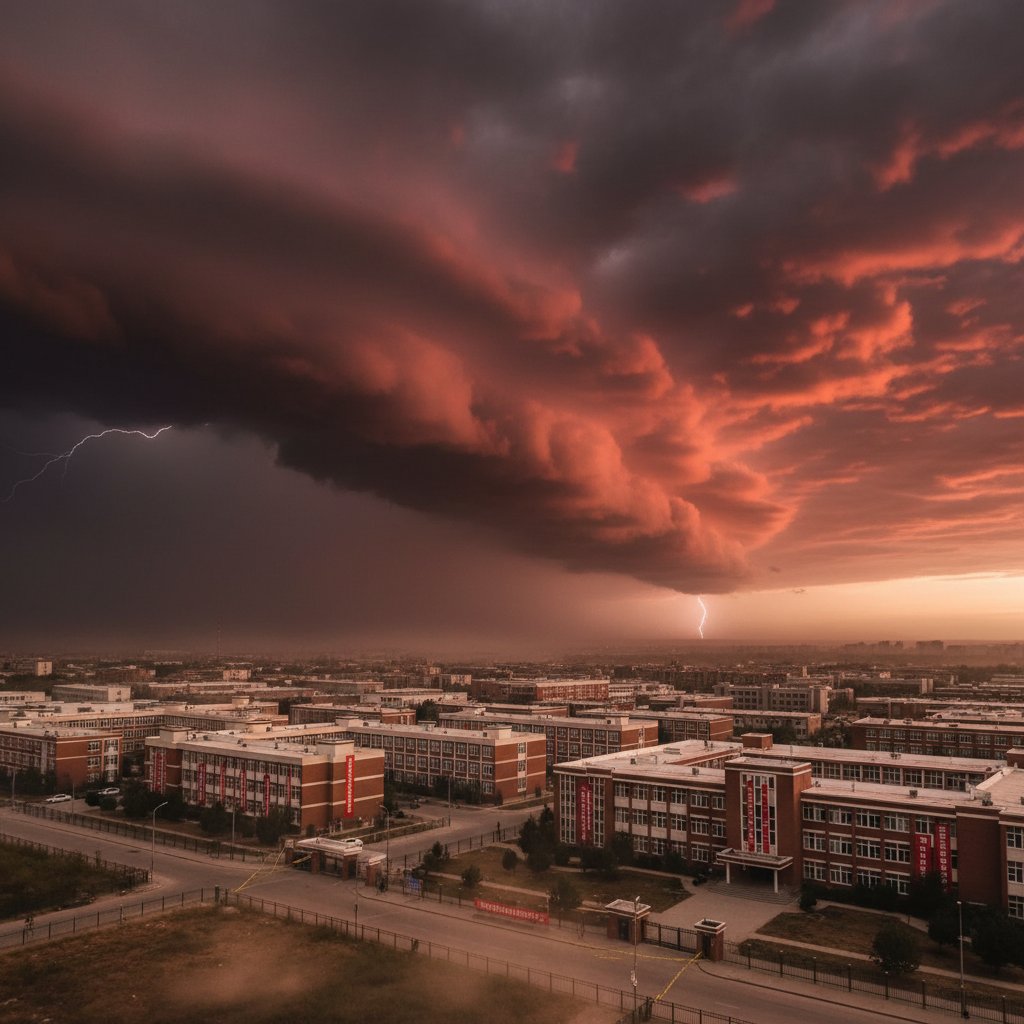
“We’ve never seen this level of school closures due to heat in the UK,” says Dr. Eleanor Standish, a climate resilience researcher at the University of Oxford. “This isn’t just a warm spell — it’s a systemic shock to infrastructure built for a different climate.”
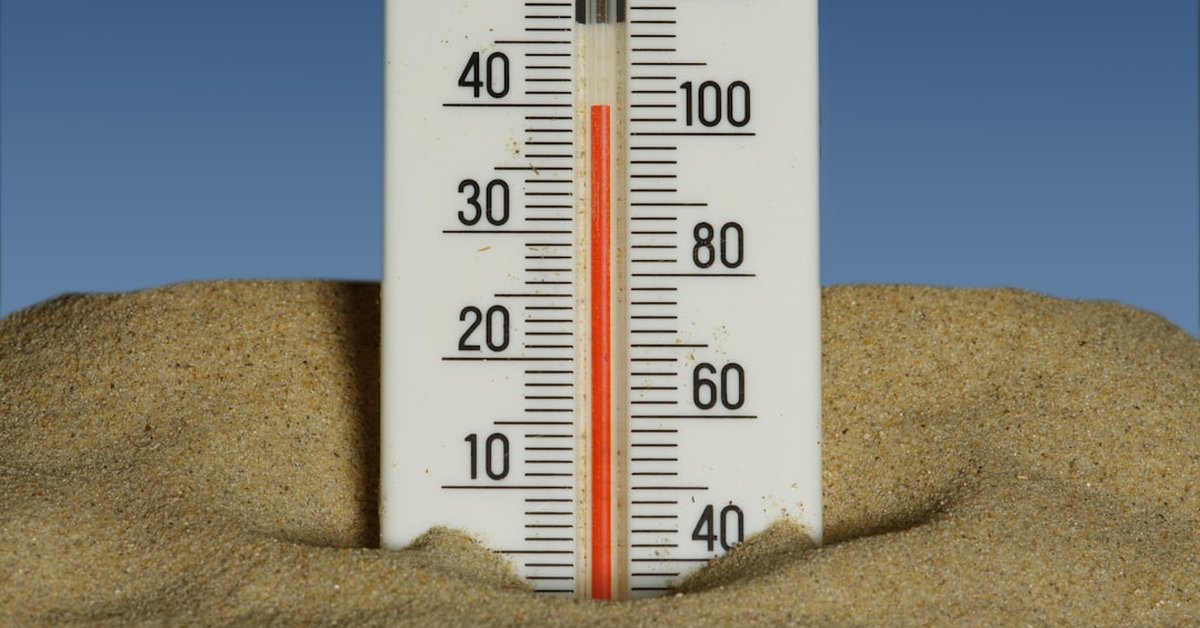
As temperatures soared to 34.6°C in Wisley, England on Tuesday, and Scotland and Northern Ireland recorded their hottest days of the year, hundreds of schools across the UK announced closures for Wednesday. The Met Office issued a red extreme heat warning for much of England, the highest level, prompting a cascade of emergency measures from local authorities, the NHS, and transport networks. It’s the kind of response usually reserved for blizzards or floods — except this time, the threat is invisible, silent, and lethal.
Look, we’ve seen Europe swelter in record heat before, but the UK’s school closures mark a troubling shift. These are not coastal resorts in southern Europe — this is a country where air conditioning is rare, where buildings are designed to trap heat, and where the young and elderly are suddenly vulnerable in ways they’ve never been. The red alert covers London, the East Midlands, the West Midlands, the East of England, the South East, and the South West. That’s nearly 30 million people.
Why Schools Are Closing — and Why It Matters
The decision to close schools isn’t taken lightly. Headteachers face a brutal calculus: keep children in sweltering classrooms where temperatures can exceed 40°C, or send them home — often to houses that are equally hot. “It’s a lose-lose,” says Mark Johnson, headteacher at a primary school in Luton. “We have no air conditioning, no cooling systems. The classrooms hit 38°C by 11am. Children were lethargic, some were vomiting. We had no choice.”
But the closures ripple outward. Parents scramble for childcare — or miss work. The NHS, already under pressure from heat-related admissions, now braces for staffing shortages. Train operators imposed speed restrictions on several lines to prevent tracks from buckling — a vivid reminder that the UK’s transport infrastructure, like its schools, wasn’t built for 40°C days. The irony? During the 1976 heatwave, British schools stayed open. Different era. Different threshold.
In a way, this is a stress test — and the country is failing. The Met Office’s red warning explicitly states that “illness and death may occur among the fit and healthy.” Not just the vulnerable. Everyone. The warning is stark, and it’s reshaping how Britons think about summer. This isn’t a holiday — it’s a health emergency.
The Numbers Behind the Heat
Let’s put Tuesday in perspective. Wisley’s 34.6°C broke the record for the hottest day of the year so far. But that’s just the headline. The real story is the duration and the night-time temperatures. In London, overnight lows barely dipped below 22°C — that’s tropical. For a population unaccustomed to such conditions, the cumulative effect is dangerous. Heatstroke, dehydration, exacerbation of heart and lung conditions — the risks multiply when the body gets no relief at night.
And it’s not just the UK. Across the Northern Hemisphere, heatwaves are smashing records. Former NOAA staffers recently revived climate.gov after an administration shutdown, highlighting how political battles can hamper public access to critical climate data. Meanwhile, the science is clear: a warming atmosphere means more intense, more frequent heatwaves. The UK’s school closures are just one symptom of a much larger problem — one that isn’t going away.
So what does this mean for the average family? If you live in the red zone, the advice is simple: stay indoors during the hottest part of the day, drink plenty of water, check on elderly neighbours. But for parents of young children, it’s more complicated. Many schools have announced closures with just 24 hours notice. Childcare plans collapse. Work deadlines loom. And the heat keeps coming.
What Comes Next — and What We Can Learn
This isn’t a one-off. The Met Office’s long-range forecasts suggest more heatwaves before summer ends. The question is whether the UK can adapt quickly enough. Installing air conditioning in every school would cost billions and increase carbon emissions — a vicious cycle. But doing nothing is not an option. Some local authorities are experimenting with cool roofs, green spaces, and reflective paints. Others are revising school calendars to avoid teaching during peak heat. But these are piecemeal responses to a systemic problem.
Dr. Standish again: “We need to treat heatwaves like the emergencies they are. That means national standards for school cooling, better early warning systems, and public health campaigns that actually reach people. The red alert is a start — but it’s not enough.”
For now, parents across England are checking their phones for school closure notifications, while forecasters track the next plume of hot air sweeping up from North Africa. The climate has changed. And so must we.
Frequently Asked Questions
Why are schools closing due to heat?
Most UK schools lack air conditioning and are built with materials that trap heat. When indoor temperatures exceed 38°C, it becomes unsafe for children and staff — risking heat exhaustion, dehydration, and exacerbation of medical conditions. Headteachers have the authority to close schools if they deem conditions unsafe.
What does a red heat warning mean?
A red warning from the Met Office is the highest level, indicating a significant risk of illness or death among even healthy people. It triggers emergency responses from the NHS, local councils, and transport authorities. The public is advised to stay indoors during peak heat, avoid travel, and check on vulnerable individuals.
Will this happen again this summer?
Likely yes. The Met Office forecasts more heatwaves before September, with temperatures potentially exceeding 40°C in some areas. The UK’s infrastructure is not designed for such extremes, so further school closures, travel disruptions, and public health warnings are probable.