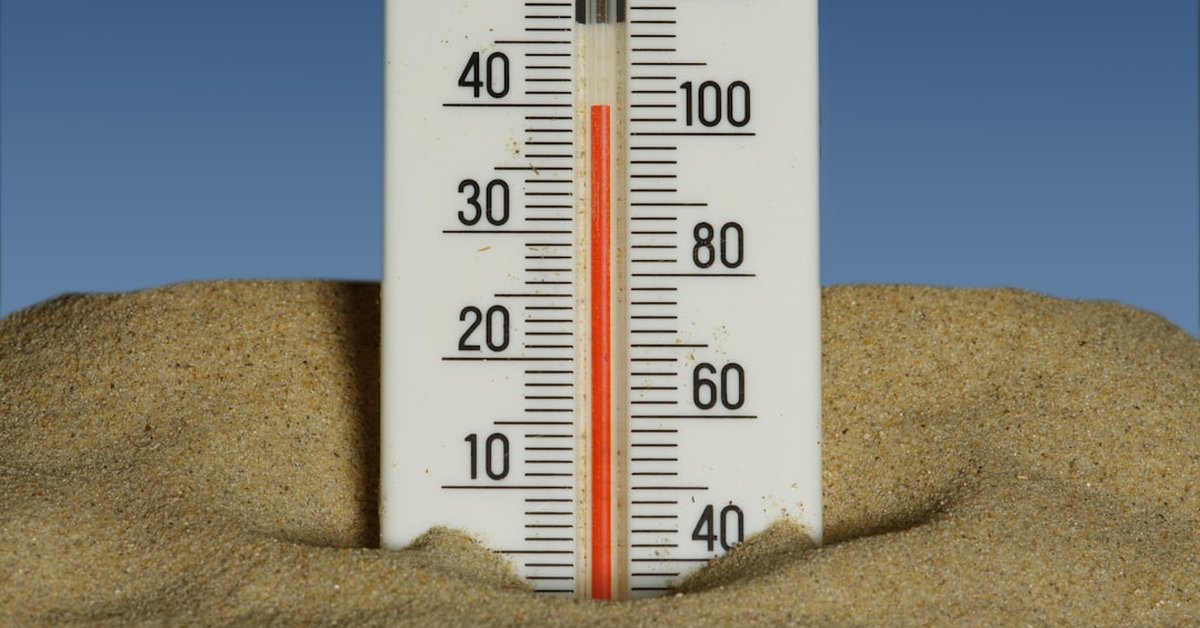







More than 61,000 people died across Europe due to heat stress in the summer of 2022 alone, according to a World Health Organization report — and that was before this year’s extreme temperatures. As the mercury climbs past 40°C in cities from Madrid to Berlin, residents are digging into their collective memory for ways to stay alive. Some are high-tech, some are ancient. And one involves chalk.
The measures range from official municipal cooling stations to a centuries-old trick of smearing chalk on windowpanes. But the question that hangs over every makeshift fan and shaded park bench is the same: Is this the new normal?
Turning Public Spaces into Cool Havens
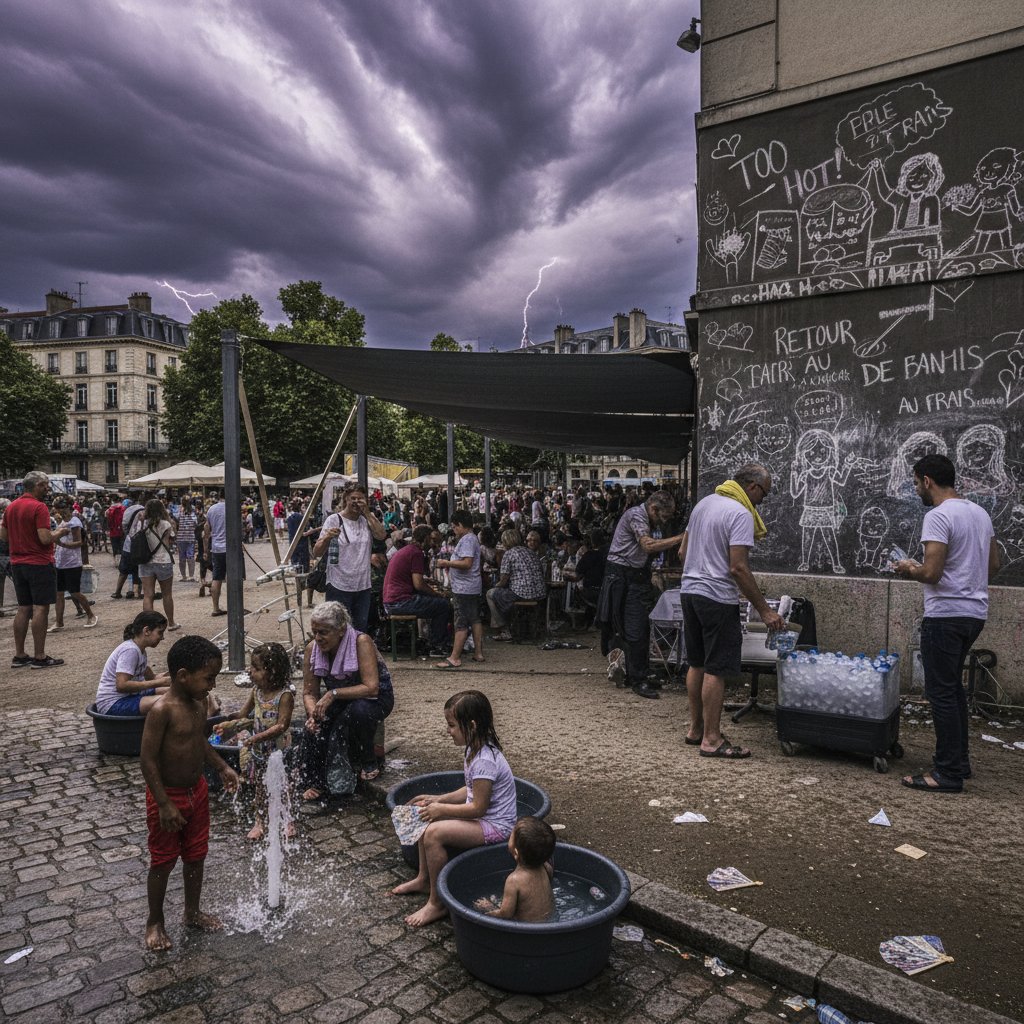
Across the continent, cities are retrofitting their public spaces as makeshift cooling centers. In Paris, the city government has opened 200 îlots de fraîcheur — cool islands — in parks, museums, and even underground parking lots. In Barcelona, BBC reports that public swimming pools have extended hours and reduced entry fees to encourage people to escape the heat. Berlin has turned its U-Bahn stations into de facto shelters, with benches strategically placed near ventilation shafts.
These aren’t just nice amenities. Dr. Elena Martinez, a public health researcher at the London School of Hygiene & Tropical Medicine, says they’re life-saving. “Cities are heat islands themselves — concrete absorbs warmth all day and radiates it at night. For elderly people in non-air-conditioned apartments, a few hours in a cool space can be the difference between heat exhaustion and death.” She points to the ongoing heat wave across Europe as a textbook case of why urban planning has to adapt faster.
But not everyone can get to a cool island. People with mobility issues, caregivers, or those working through the heat often stay put. So they turn to cheaper, more local fixes.
The Ancient Trick of Chalk on Windows
Walk through any Italian village during a heatwave and you’ll notice it: windows streaked with white chalk. It’s not graffiti — it’s a cheap, simple sun-block. Chalk dust reflects sunlight, reducing indoor temperatures by several degrees. This isn’t new; it was common before air conditioning became widespread in the 1970s. But now it’s back with a vengeance.
“My grandmother used to do this every summer in Sicily,” says Francesco Rossi, a retiree in Naples. “We thought it was old-fashioned. Now my daughter is doing it in her flat in Milan because the window unit broke and she can’t afford a new one.”
The resurgence of chalk on windows tells a broader story. As energy prices remain high following the geopolitical shocks of recent years — the Iran deal’s ripple effect on global energy prices continues to be felt — many Europeans can’t rely on air conditioning. In Germany, where only about 3% of households have AC, chalk is being supplemented with aluminum foil on windowpanes, damp bedsheets hung as curtains, and even cardboard cutouts from pizza boxes wedged into window frames.
Dr. Klaus Richter, a climate historian at the University of Berlin, sees a pattern. “Europe has always had heatwaves, but the intensity and frequency are new. Before the 20th century, people adapted by changing their daily rhythms — the siesta, heavy stone walls, thick shutters. Today we’ve lost many of those traditions. Now we’re rediscovering them not by choice, but by necessity.”
Adaptation Meets Tradition: What History Tells Us
The siesta might be the most famous European heat adaptation. While it’s often caricatured as laziness, it’s actually a physiological response to extreme midday heat. In Spain, the tradition has eroded with modern work schedules — but during heatwaves, some towns are trying to bring it back. The city of Seville launched a voluntary “siesta ordinance” last year, encouraging businesses to close between 2 p.m. and 5 p.m. during extreme heat alerts. It’s not legally binding, but early data from the city’s health department suggests a measurable drop in afternoon emergency calls.
But history also shows limits. During the catastrophic 2003 heatwave that killed an estimated 70,000 Europeans, many of the same tricks — wet towels, sleeping in parks, opening windows at night — failed because the nights were almost as hot as the days. “That’s the dangerous shift,” says Martinez. “When overnight temperatures stay above 25°C, the body can’t recover. That’s when we see excess mortality spike.”
And the numbers keep climbing. Heat is killing us quietly — not just in America, but across the Northern Hemisphere. Europe’s heat-related mortality has risen 30% in the past decade, according to a study published in Nature Medicine. The chalk on windows, the cool-down spots, the midday naps — they’re band-aids. The deeper wound is a climate that’s rewriting what summer means.
The Human Cost and What Comes Next
For now, Europe is coping. But coping isn’t adapting. Air conditioning remains rare in private homes across Northern Europe. Rental laws often prohibit tenants from installing window units. And energy prices, though stabilizing, are still far above pre-2022 levels. The result is a patchwork of grassroots solutions — some ingenious, some dangerous. (That aluminum foil on windows? Firefighters warn it can concentrate sunlight and start fires in dry conditions.)
Governments are starting to act. France requires all new public buildings to include cooling rooms. Greece has installed mobile cool-down trailers in tourist hotspots. But the pace of change is slow compared to the heat. July 2024 was the hottest month globally on record, according to NASA’s Goddard Institute for Space Studies. Europe’s summer — still ongoing — will likely confirm that trend.
So, will Europeans buy more AC? Maybe. Will they rediscover old tricks like chalk on windows? Definitely. But the real test is whether these adaptations will be enough. As Richter puts it: “We’re improvising. We need to design.” The chalk is a stopgap. The cool-down spots are a necessary intervention. But the heat isn’t going anywhere — and the next wave will demand more than street-level creativity.
What we’re seeing across Europe is a laboratory of human ingenuity under thermal siege. From the Alps to the Mediterranean, people are finding ways to survive. But survival, as any climate researcher will tell you, is not the same as thriving.
Frequently Asked Questions
Why are people chalking their windows during heat waves?
Chalk dust reflects sunlight away from the glass, reducing the amount of heat that enters the home by as much as 5-10°C (9-18°F). It’s a low-cost, low-tech alternative to air conditioning that was common before AC became widespread and is now making a comeback as energy prices remain high.
What exactly are ‘cool-down spots’?
Cool-down spots are public spaces — libraries, museums, parks with shade, underground stations — that are designated by local authorities as places where people can escape extreme heat. They often have water fountains, seating, and sometimes air conditioning. Cities like Paris, Barcelona, and Berlin have set them up in response to rising temperatures.
Is this heat wave more severe than historical European heat waves?
This summer’s heat wave is comparable in intensity to 2003, 2019, and 2022 events, but it is occurring on top of a baseline of higher global temperatures. July 2024 was the hottest month globally ever recorded, and European heat waves are now more frequent and longer-lasting than any period in the last 500 years, according to climate reconstructions.