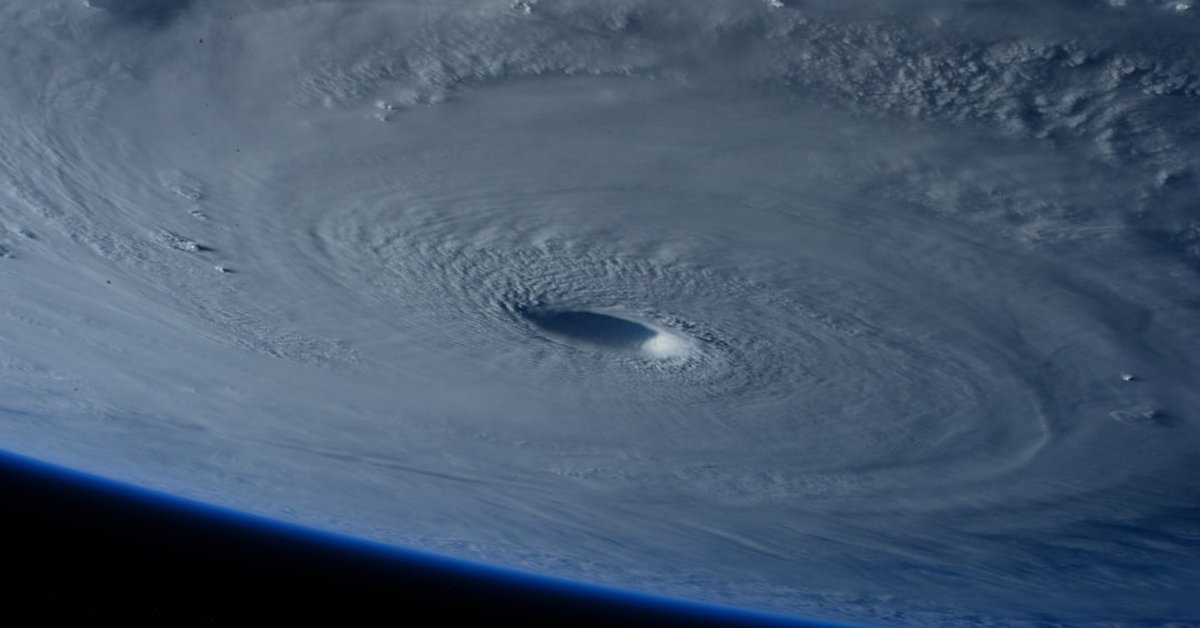




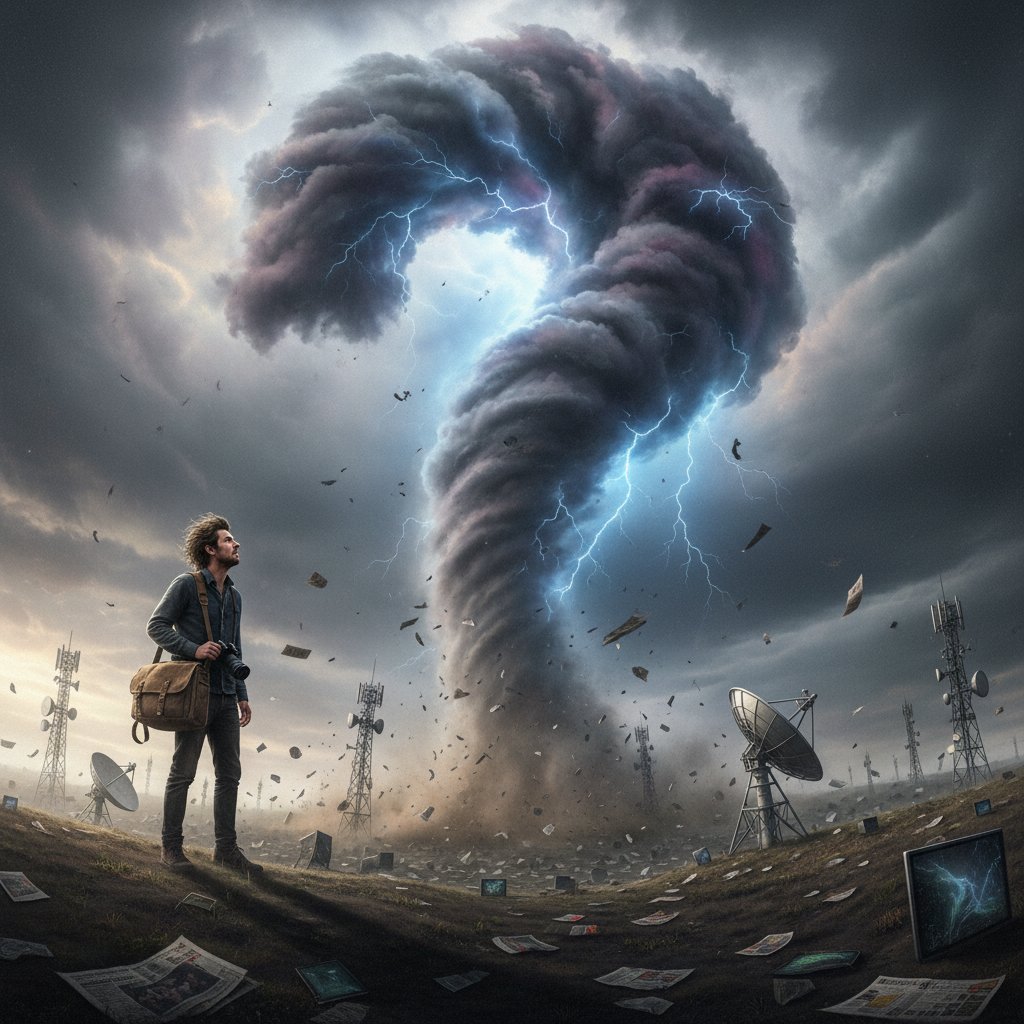
The sky turned a sickly green over Tampa Bay, and the wind had that particular howl—the one that makes your bones vibrate. It was August 2023, and Hurricane Idalia was barreling toward Florida’s Gulf Coast. But inside a cramped apartment in St. Petersburg, Maria Gonzales wasn’t watching the official forecasts. She was glued to a Facebook post that claimed the storm would suddenly veer north, missing her neighborhood entirely. A friend had shared it. It looked official. It was dead wrong.
Maria didn’t evacuate. By the time she realized the post was fabricated, floodwaters were already lapping at her front door. She and her two children had to be rescued by boat from their second-story window. They survived, but the trauma—and the anger at being misled—lingers.
Maria’s story is not unique. As hurricanes, floods, and wildfires grow more intense, a parallel storm of misinformation is sweeping across social media, messaging apps, and even local news channels. This isn’t just annoying. It’s dangerous. And it’s costing lives.
The Anatomy of a Rumor
Misleading weather information comes in many forms. Sometimes it’s a doctored satellite image, a fake forecast map, or a viral video of an old storm presented as current. Other times it’s a well-intentioned but inaccurate tip: “Put tape on your windows to stop them from shattering” (it doesn’t work) or “Open all windows to equalize pressure during a hurricane” (please don’t).
A 2022 study by the University of Washington found that during Hurricane Ian, nearly 30% of the most-shared posts about evacuation routes and storm surge contained significant inaccuracies. “The median time for a piece of weather misinformation to reach a million views is under two hours,” says Dr. Maria Santos, a meteorologist with the National Oceanic and Atmospheric Administration (NOAA) who studies information diffusion. “That’s faster than we can issue a correction.”
The problem is compounded by algorithms that prioritize engagement over accuracy. A shocking headline or a dramatic map of a storm’s “explosive intensification” drives clicks and shares, regardless of whether it’s real. “During the 2020 Atlantic hurricane season, we tracked over 200 distinct pieces of false or misleading content related to just three storms,” adds Dr. Santos. “The noise is overwhelming the signal.”
The Human Toll
The consequences are not abstract. In 2021, during Hurricane Ida in Louisiana, a viral post claimed that the levees in New Orleans had been breached. It was completely false. But the panic it caused led to a traffic jam on the interstate, trapping families in their cars as floodwaters rose. “That was a near-miss disaster,” says John Keller, an emergency manager for Jefferson Parish. “We spent hours on the radio and social media trying to beat down that lie, but by then, people had already made decisions based on it.”
Keller recalls another case during the 2023 Texas ice storm, when a widely shared message warned residents to run their ovens for heat with the door open. “That’s a carbon monoxide poisoning recipe,” he explains. “We had a spike in emergency room visits directly traceable to that nonsense.” For vulnerable populations—the elderly, non-English speakers, those without reliable internet—the risk is even higher. They often rely on forwarded messages from family or community Facebook groups, where misinformation spreads like a contagion.
The emotional toll is also steep. “I feel betrayed,” Maria Gonzales told me, still shaken a year later. “I trusted that post. I thought I was being smart. Instead, I put my kids in danger.” Misery feeds on confusion, and confusion feeds on misinformation. It erodes trust in genuine experts, making the next evacuation order even harder to enforce.
Fighting Back: What Experts Say
Meteorologists and emergency managers are on the front lines of this battle, and they’re developing new weapons. One is the “pre-bunking” approach: releasing accurate information before the rumors take hold. “We put out clear, simple graphics and videos explaining common myths right at the start of hurricane season,” says Dr. Santos. “It’s like a vaccine for your brain—if you’ve seen the myth debunked beforehand, you’re less likely to believe it later.”
Another tactic is targeting the spreaders themselves. “We work with platforms like Facebook and X to flag and remove dangerous content,” says Keller. “But it’s a game of whack-a-mole. Once a false post is taken down, it reappears in a different group within minutes.” He advocates for stronger platform accountability, including clearer labeling of AI-generated content and faster takedowns during active emergencies.
For the public, the best defense is skepticism and verification. “Always check the source,” urges Dr. Santos. “If a forecastmap doesn’t come from the National Hurricane Center or your local National Weather Service office, treat it with caution. Look for the official logo, the date stamp, and the forecast cone. Real meteorologists don’t use flashy fonts and exclamation marks.” She recommends bookmarking reliable sites before a storm forms, so when the power flickers and the panic sets in, you know exactly where to go.
What It Means for You
Misleading weather information is not a nuisance you can afford to ignore. In a world where climate change is making storms wetter, wildfires fiercer, and floods more frequent, accurate data is a survival tool. Every time you share a post without verifying it, you could be passing a life-threatening lie on to a friend or family member.
Emergency managers like John Keller are bracing for a future where AI-generated deepfakes make the problem even worse. “Imagine a realistic video of a mayor telling people to stay put when the reality is a mandatory evacuation,” he says. “That’s not science fiction. That’s next year or the year after. We need to prepare now, legally and technically, to counter that.”
For now, the most powerful countermeasure is human vigilance. Next time you see a dramatic weather post, pause. Check the National Weather Service website. Cross-reference with a reputable meteorologist. Don’t be the person who spreads the lie—be the person who stops it. Because the next Maria might not be as lucky.