



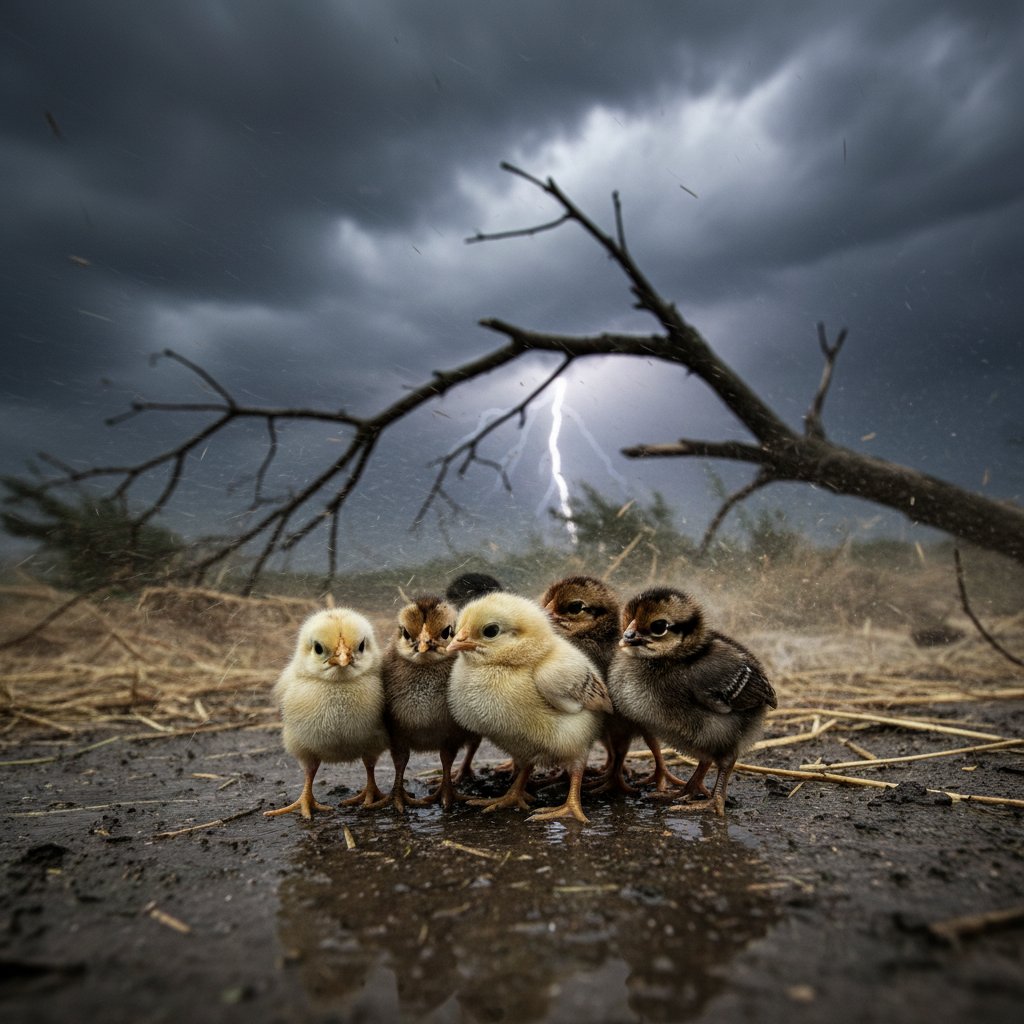
The water rose silently at first. Along the muddy banks of the Mississippi River in eastern Iowa, a colony of least terns had just hatched their first brood of the season. By the time dawn broke on April 15, 2025, the nests were gone. The chicks—tiny, downy, unable to fly—were swept into churning floodwaters.
For wildlife rescuer Mark Johnson of the Iowa Bird Rehabilitation Center, that morning began with a frantic call from a park ranger. “He said, ‘Mark, we’ve got terns everywhere, but they’re not flying. They’re floating.’” Johnson and a team of volunteers launched kayaks into the swollen river, scooping shivering chicks from debris piles and half-submerged logs. Over the next three days, they would rescue 247 chicks—but an estimated 500 were lost.
The Perfect Storm: Record Rains and Rising Rivers
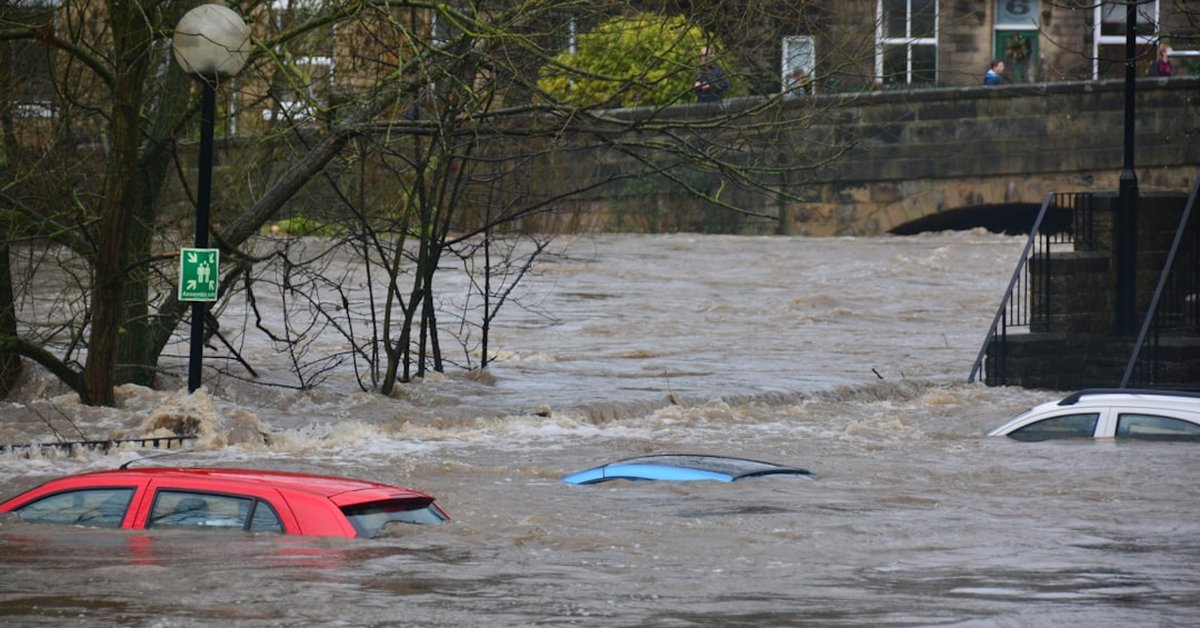
This spring, the Midwest faced one of its wettest Aprils on record. The National Weather Service reported that parts of Iowa, Illinois, and Missouri received over 12 inches of rain in two weeks—200% above normal. The Mississippi River crested at major flood stage, inundating sandbars and islands where colonial waterbirds like least terns and piping plovers nest each year.
“These birds evolved to nest on exposed sandbars because they provide protection from predators,” explains Dr. Emily Hart, an ornithologist at the University of Missouri. “But with climate change, we’re seeing more frequent, intense floods that erase those habitats in a single event. The chicks simply have no chance.” Hart notes that the 2025 flood event destroyed an estimated 1,200 nests across a 50-mile stretch of the river. For the least tern, a federally endangered species in the Interior population, every chick lost is a blow to recovery.
The timing was catastrophic. The first wave of hatches occurred during the peak of the storm. “They were just beginning to thermoregulate,” Johnson says. “A chick that’s wet and cold for more than a few hours will die of hypothermia or pneumonia. We had to work fast.”
A Race Against Time: Rescue Efforts
Johnson’s team used warmers wrapped in towels to revive hypothermic chicks. They set up temporary incubators in a garage, feeding the orphans a slurry of insects and fish. “You’d pick up a chick and it felt like a cold, wet sponge. Then after ten minutes of warming, it would start cheeping, looking for food. That moment—that’s all the motivation you need.”
Similar rescues unfolded across the region. In Missouri, staff from the state Department of Conservation used airboats to reach stranded chicks on sandbars. In Wisconsin, volunteers from the Audubon Society waded into chest-deep water to relocate eggs before they hatched. The collective effort saved nearly 1,200 chicks, but more than 800 are believed to have perished.
“This is the new normal,” says Dr. Hart. “We’re seeing an increase in extreme precipitation events across the Midwest. For ground-nesting birds, that means their entire reproductive cycle can be wiped out in a matter of hours.”
The rescue operations highlight a broader shift: conservationists are now forced to become first responders. “We don’t have the luxury of long-term planning anymore,” Johnson says. “Every spring, we’re on alert. We monitor river forecasts the way meteorologists track hurricanes.”
The Larger Picture: Climate Change and Vulnerable Species
Least terns are not alone. Piping plovers, American oystercatchers, and even herons are losing nesting grounds to floods. A 2024 study in Biological Conservation found that 30% of colonial waterbird species in the United States have experienced significant population declines linked to extreme weather events. The study’s lead author, Dr. Carlos Mendez of Cornell University, warns: “These birds are indicator species. Their struggle reflects the health of our entire riverine ecosystem.”
The 2025 flood event fits a troubling pattern. According to the National Oceanic and Atmospheric Administration, the frequency of billion-dollar flood disasters in the U.S. has tripled over the past 40 years. For river-dependent wildlife, the race is not just to save individual chicks, but to preserve the habitat itself.
Some states are experimenting with artificial nesting platforms, relocating colonies to higher ground, or engineering sandbar restoration projects. But these measures are expensive and often temporary. “We can build all the platforms we want,” Hart says. “But if the water keeps rising, we’re just rearranging deck chairs on the Titanic.”
What This Means for the Future
The rescued chicks are now being raised in captivity. Some will be released later this summer; others may be held over the winter if they are too weak to migrate. For Mark Johnson, the work is both rewarding and exhausting. “You hold this tiny life in your hands, and you realize how fragile everything is—the birds, the river, us.”
The 2025 Mississippi flood will go down as one of the worst for bird colonies in decades. But the people who waded into that cold water know it is not the last. As climate change accelerates, the question is no longer if the next disaster will hit, but when—and whether the chicks, and the humans who fight for them, will have the resilience to survive.