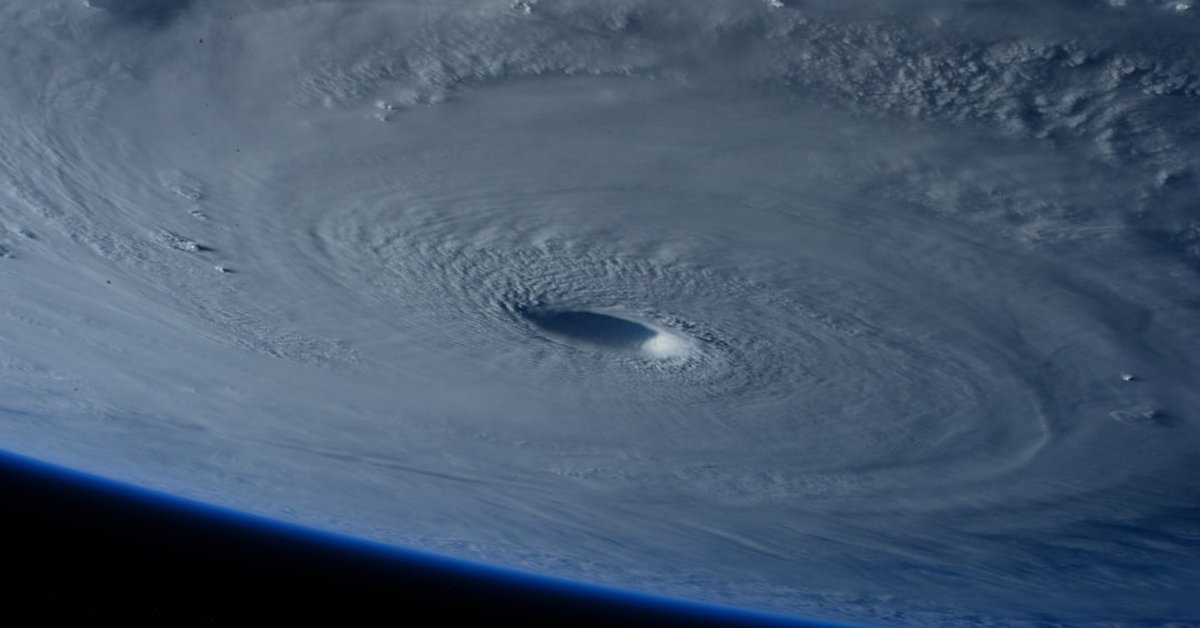







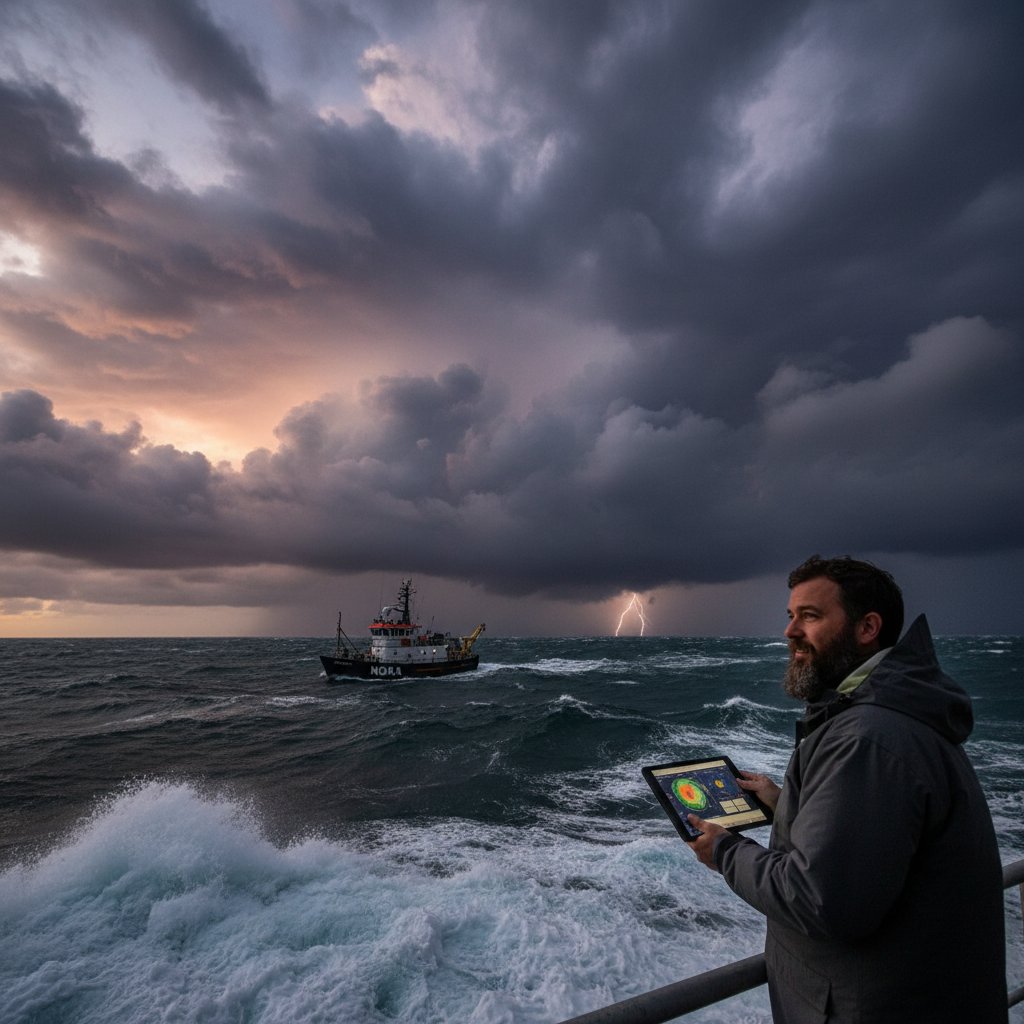
Is the Atlantic hurricane season finally taking a breather? NOAA’s Climate Prediction Center released its initial outlook for the 2026 Atlantic hurricane season on Thursday, forecasting a “below-normal” level of tropical activity. The prediction, based on a confluence of atmospheric and oceanic factors, signals a potential reprieve for coastal communities from Texas to Maine after several hyperactive years.
The official outlook, issued from NOAA’s headquarters in College Park, Maryland, calls for 10 to 14 named storms (winds of 39 mph or higher), of which 4 to 7 are expected to become hurricanes (winds of 74 mph or higher), and 1 to 3 could reach major hurricane status (Category 3 or higher, with winds of 111 mph or higher). These numbers fall below the 30-year average of 14 named storms, 7 hurricanes, and 3 major hurricanes.
Key Drivers Behind the Below-Normal Forecast
NOAA attributes the subdued forecast primarily to the anticipated development of El Niño conditions in the Pacific Ocean. El Niño, characterized by warmer-than-average sea surface temperatures in the equatorial Pacific, typically increases vertical wind shear across the Atlantic basin. This wind shear—a change in wind speed or direction with height—tears apart developing tropical cyclones before they can intensify.
“El Niño tends to suppress Atlantic hurricane activity by increasing wind shear and stabilizing the atmosphere,” said Dr. Matthew Rosencrans, lead seasonal hurricane forecaster at NOAA’s Climate Prediction Center. “We are seeing strong model consensus for El Niño to develop by late summer, which is a primary reason for our below-normal prediction.”
Additionally, cooler-than-average sea surface temperatures in the tropical Atlantic and Caribbean Sea are expected. These waters, currently running 0.5 to 1.0°C below normal in key development regions between 10°N and 20°N, provide less fuel for storm formation. The combination of cooler waters and stronger wind shear creates a hostile environment for hurricane development.
“The Atlantic is not primed for an active season this year. The oceanic and atmospheric signals are aligning to suppress activity, which is a stark contrast to the last few years.” — Dr. Matthew Rosencrans, Lead Seasonal Hurricane Forecaster, NOAA
Historical Context and Recent Trends
This forecast marks a significant shift from recent years. The 2020 season set a record with 30 named storms, followed by 21 in 2021, 14 in 2022, and 20 in 2023. The 2024 season also featured above-normal activity with 18 named storms. The last below-normal season was 2015, which produced only 11 named storms and 2 hurricanes.
However, forecasters caution that even a below-normal season can be dangerous. The 1992 season, which saw only 7 named storms, included Hurricane Andrew—a Category 5 storm that devastated South Florida with 165 mph winds and caused $27.3 billion in damage (1992 USD). Similarly, the 1983 season had just 4 named storms, but Hurricane Alicia struck Texas as a Category 3.
“A below-normal forecast does not mean we can let our guard down,” emphasized Dr. Rosencrans. “It only takes one storm making landfall to cause catastrophic impacts. Preparation remains critical.”
Regional Implications for the US, UK, and Canada
For the United States, the below-normal forecast reduces—but does not eliminate—the risk of landfalls along the Gulf Coast and Eastern Seaboard. The probability of a major hurricane making landfall in the US is estimated at 30% for the 2026 season, compared to the long-term average of 52%. However, states like Florida, Texas, and the Carolinas should still prepare for potential impacts.
In the UK and Canada, the effects of a below-normal Atlantic season are less direct but still relevant. The UK typically experiences the remnants of tropical systems that transition into extratropical storms, bringing heavy rain and wind. A quieter season means fewer such systems, but the UK Met Office notes that any storm that does recurve could still pose risks. For Canada, the Atlantic provinces—Nova Scotia, Newfoundland, and New Brunswick—face similar threats from post-tropical storms. The 2026 forecast suggests a lower likelihood of such events, but historical data shows that even weak storms can cause flooding and power outages when they interact with cooler northern waters.
“Canadian residents in coastal areas should not assume a quiet season means no risk,” said Dr. Jennifer Smith, a meteorologist with Environment and Climate Change Canada. “We’ve seen storms like Hurricane Juan in 2003, which was a Category 2 at landfall in Nova Scotia, cause extensive damage. Preparedness is a year-round responsibility.”
“A below-normal forecast does not mean we can let our guard down. It only takes one storm making landfall to cause catastrophic impacts.” — Dr. Matthew Rosencrans, Lead Seasonal Hurricane Forecaster, NOAA
What This Means for You: Preparation and Monitoring
For residents from the Gulf Coast to the Maritime provinces, the key takeaway is to maintain readiness. NOAA recommends reviewing hurricane plans, assembling emergency kits with at least three days of supplies, and knowing evacuation routes. The Atlantic hurricane season officially runs from June 1 to November 30, with peak activity typically from mid-August to mid-October.
Insurance experts also advise checking policies for wind and flood coverage. Standard homeowners insurance often excludes flood damage, which requires a separate policy through the National Flood Insurance Program in the US or private insurers in Canada and the UK. With the below-normal forecast, some may be tempted to skip these precautions, but experts warn against complacency.
“The forecast is a probabilistic tool, not a guarantee,” said Dr. Rosencrans. “We’ve seen seasons start quiet and then ramp up quickly. The 2026 season could still produce a few powerful storms, especially if conditions shift.”
Looking ahead, NOAA will issue an updated outlook in August, just before the peak of the season. That update will incorporate real-time observations of sea surface temperatures, wind shear, and atmospheric patterns. For now, the message is clear: a below-normal season is welcome news, but it is no excuse for inaction.