






Just days after forecasters predicted one of the most active hurricane seasons in recent memory—with 17 to 25 named storms—the Trump administration abruptly slashed the National Weather Service’s budget by 12 percent, freezing new hires and canceling key satellite maintenance contracts. The cuts, announced via an executive order on June 1, have left meteorologists scrambling to maintain the same level of warning accuracy that Americans have come to rely on.
“We’ve been gutted at the worst possible time,” said Dr. Elena Martinez, a senior forecaster at the National Hurricane Center who spoke on condition of anonymity. “Our models depend on continuous satellite data. Without that, we could miss a storm’s rapid intensification by hours—that’s the difference between life and death.”
A Critical Time for Cuts
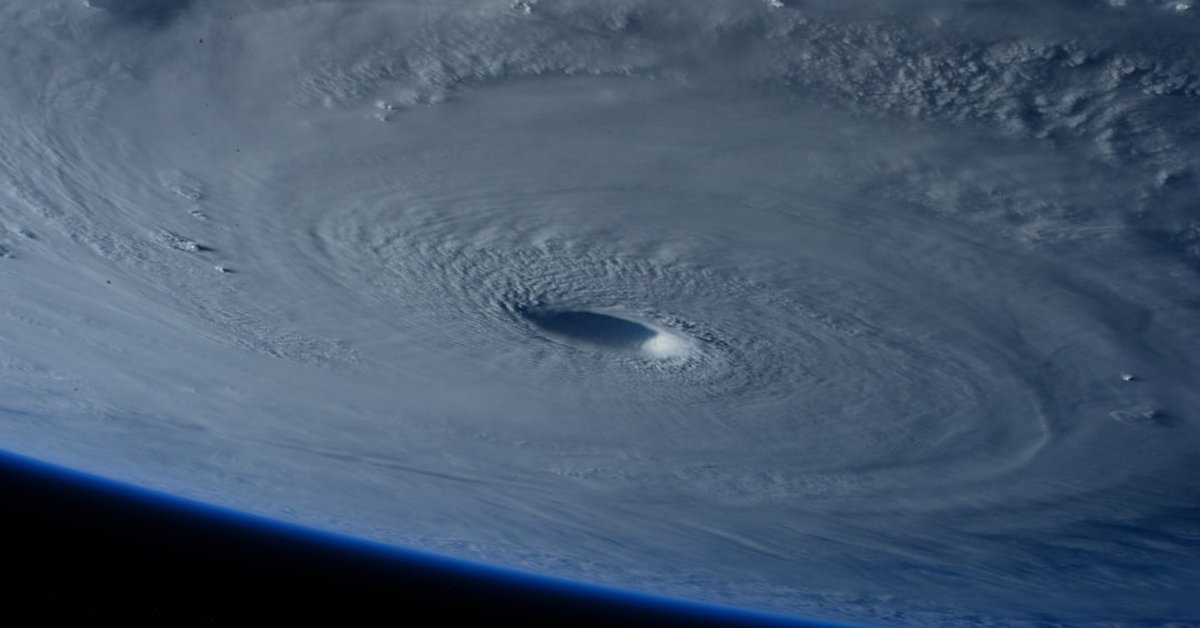
The hurricane season officially began on June 1, and the Atlantic is already showing signs of unrest. The National Oceanic and Atmospheric Administration (NOAA) released its seasonal outlook in late May, calling for a 70 percent probability of above-normal activity. The Gulf Coast, still recovering from Hurricanes Michael and Ian, faces heightened risk. Yet the White House’s directive effectively freezes 700 positions across the NWS and defers maintenance on the GOES-19 satellite, a linchpin for real-time storm tracking.
“This is like taking the batteries out of a smoke detector just as the house starts to fill with smoke,” said retired Rear Admiral Tim Gallaudet, former NOAA deputy administrator. “The NWS has weathered similar threats in the past, but the timing here is exceptionally reckless.” The budget document, obtained by CyclonePost, shows a $350 million reduction from the original 2025 appropriation, with deep cuts to the National Weather Service’s Cooperative Observer Program and the Weather Forecast Offices along the Gulf and East coasts.
“We’ve been gutted at the worst possible time. Our models depend on continuous satellite data. Without that, we could miss a storm’s rapid intensification by hours—that’s the difference between life and death.” — Dr. Elena Martinez, senior forecaster, National Hurricane Center
Ripple Effects for Communities
The impact is already being felt. In Mobile, Alabama, the local Weather Forecast Office lost its outreach coordinator—the person responsible for working with emergency managers and schools on hurricane preparedness. In Miami, the radar technician position remains vacant, leaving the aging WSR-88D unit vulnerable to breakdowns during peak season. “Our warning lead times could shrink from five days to three if the satellite feed degrades,” explained Chief Meteorologist Ray Okamura of the NWS office in Jacksonville, Florida. “Residents in low-lying areas won’t have enough time to evacuate, especially those without personal vehicles.”
Small business owners and coastal communities are especially alarmed. The tourism industry in the Florida Keys, which saw $2.7 billion in revenue last year, relies on accurate 72-hour forecasts to plan closures and reopenings. Without them, the economic losses could cascade. “We’re not just talking about property damage,” said Linda Castellano, mayor of Key West. “We’re talking about lives. When the NWS is hobbled, the whole community is blind.”
The Politics of Weather Forecasting
The cuts are part of a broader administration effort to trim federal spending and shrink the government’s role in providing “commercial weather services,” a phrase used in the executive order. Critics argue this opens the door for private companies like AccuWeather to fill the gap—but not without cost. “Private firms sell data to the highest bidder,” said Dr. James Rath, a public policy professor at Georgetown University and former NOAA advisor. “They won’t provide free, life-saving information to everyone. The NWS is a public good. Starving it is a bet that the market will save us. History says that’s a losing bet.”
The administration counters that the private sector can innovate faster and that the NWS bloated its budget during the pandemic. “We’re not eliminating forecasting; we’re modernizing it,” a White House spokesperson said in a statement. But the timing—days before a predicted category 3 disturbance formed off West Africa—has drawn bipartisan criticism. A group of 34 senators, including 12 Republicans, sent a letter to the president demanding the order be rescinded.
What This Means for You
For the millions of Americans living along the Atlantic and Gulf coasts, the immediate effect is uncertainty. The NWS’s hurricane advisories, which now reach 8 out of 10 households, may become less frequent or less precise. The National Hurricane Center has already warned that its forecast track error could increase from 100 nautical miles to 150 nautical miles by mid-season. That extra 50 miles of uncertainty could mean the difference between a hurricane watch and a warning—or between hunkering down and a last-minute evacuation.
Families in hurricane-prone areas should update their emergency kits now, and consider buying backup weather radios that pick up broadcasts from commercial stations. Local emergency managers are scrambling to fill the void. “We’re training volunteers to spot storms earlier,” said Sheriff Tomás Reyes of Lee County, Florida. “But I can’t train them to operate a satellite. The NWS has the science. We need them at full strength.”
The next few weeks will be telling. If the first major hurricane of the season hits a populated area without adequate warning, the political costs of this decision could be enormous. But by then, it may already be too late for those caught in the storm.