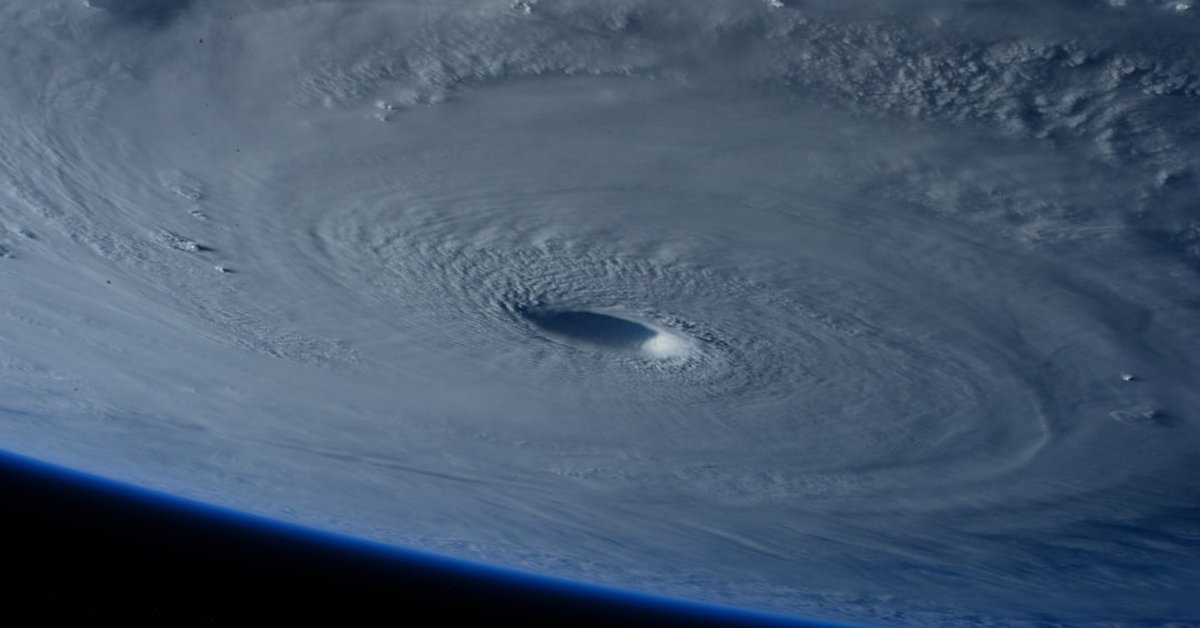







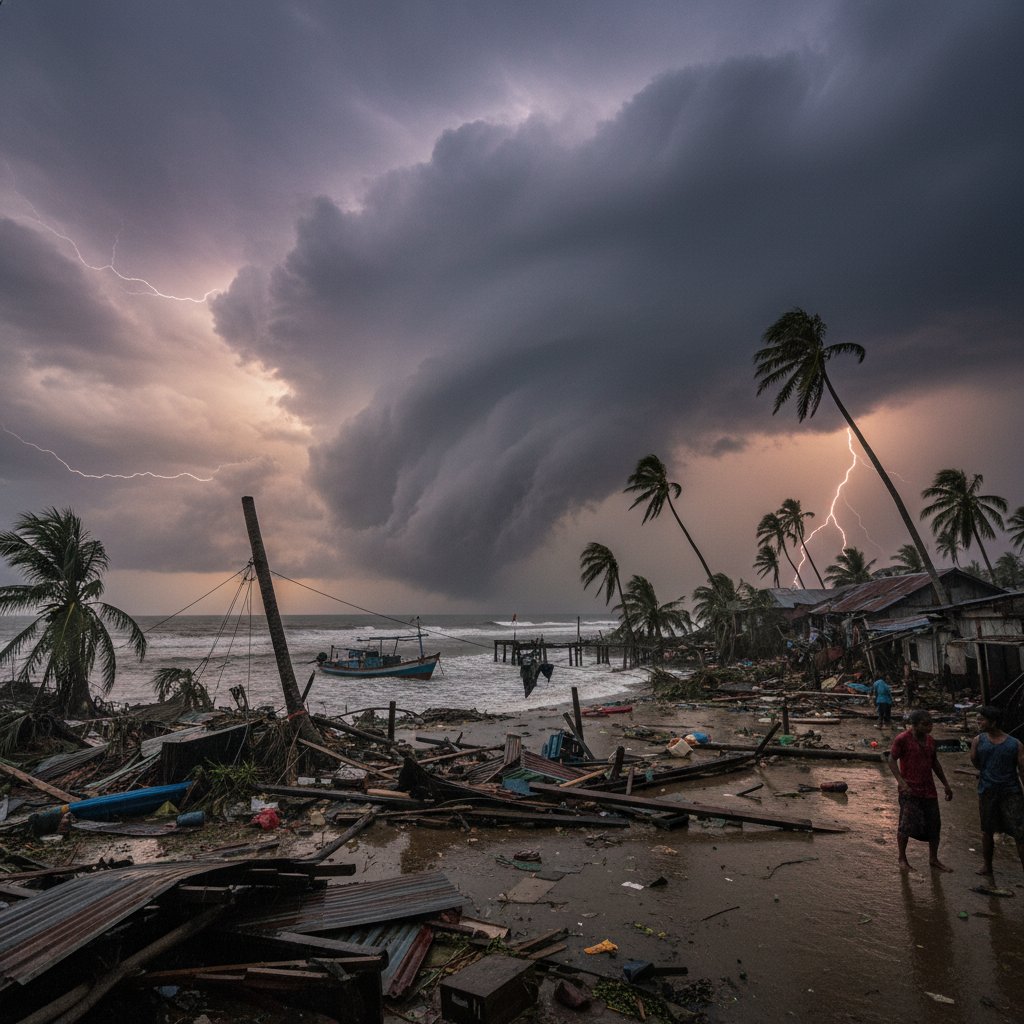
In the early hours of September 5, 2024, Super Typhoon Yagi (locally known as Typhoon Enteng) slammed into the northern Philippines with sustained winds of 195 mph, making it the strongest storm to hit the country this year. By midday, the death toll had surpassed 200, with entire villages buried under landslides and coastal cities inundated by storm surges reaching 20 feet.
As the storm moved inland, it unleashed a torrent of rain—over 300 mm in just six hours—triggering catastrophic flash floods and landslides across Luzon, the country’s most populous island. Hundreds of thousands fled their homes, only to find evacuation centers overcrowded and supplies running low.
“This is a worst-case scenario for any forecaster,” said Dr. Maria Santos, a climatologist at the Manila Observatory. “Yagi intensified at an alarming rate, jumping from a Category 1 to a Category 5 in less than 24 hours. We didn’t have enough time to prepare the most vulnerable communities.”
A Night of Terror
In the mountain province of Benguet, entire communities were swept away by landslides. Rescue workers dug through mud and debris with bare hands, pulling survivors from collapsed homes. Meanwhile, in the coastal city of Laoag, storm surges pushed water three miles inland, drowning those who couldn’t escape to higher ground.
The storm ripped roofs off hospitals, toppled power lines, and severed communications. As night fell, tens of thousands remained unaccounted for, their families frantically searching in the dark. “We’ve never seen anything like this,” said local disaster official Luis Reyes. “This storm ate our city alive.”
Yagi’s fury didn’t stop at the Philippines. After exiting the Philippine Area of Responsibility, it made a second landfall in northern Vietnam on September 7, killing another 50 people and causing widespread flooding in Hanoi.
Historical Context and Comparison
To understand Yagi’s ferocity, it helps to look back at the region’s storm history. The Philippines is hit by an average of 20 typhoons each year, but only a handful achieve super typhoon status. Yagi now ranks alongside Haiyan (2013) and Rai (2021) as one of the deadliest on record.
“Yagi is the strongest typhoon to hit the Philippines since Typhoon Haiyan, which killed over 6,000 people,” said Dr. James Carter, a meteorologist with the National Oceanic and Atmospheric Administration (NOAA). “What sets Yagi apart is the speed of its intensification. We’re seeing a worrying trend: storms are rapidly intensifying more often, and that reduces warning windows.”
Haiyan was a Category 5 when it hit Tacloban in 2013, yet Yagi’s central pressure was even lower—895 hPa compared to Haiyan’s 895 hPa. While technically similar, Yagi’s structure was more compact, creating extreme wind fields that devastated smaller areas but with higher intensity.
The Role of Climate Change
In recent years, scientists have drawn a direct link between rising ocean temperatures and tropical cyclone intensity. The South China Sea and the Philippine Sea have both warmed by 0.5°C to 1°C above the 20th-century average, providing more fuel for storms like Yagi.
“Warmer seas mean more moisture and more energy. That translates to faster intensification and heavier rainfall,” Dr. Santos explained. “Our models suggest that by 2050, the number of Category 4 and 5 storms in the Pacific could increase by 30%.”
But climate change isn’t just about intensity—it’s also about vulnerability. Rapid urbanization in flood-prone areas and deforestation in mountainous regions have made communities more susceptible to landslides and storm surges. The very geography that makes the Philippines beautiful also makes it deadly.
What This Means for Southeast Asia
The devastation from Yagi has sent shockwaves across Southeast Asia. Neighboring countries like Thailand, Malaysia, and Indonesia are reviewing their own disaster preparedness plans. Many lack the early warning systems and infrastructure needed to withstand a storm of this magnitude.
“If a super typhoon hits Bangkok directly, the economic damage could reach hundreds of billions of dollars,” warned Dr. Carter. “Southeast Asia is a hotspot for both tropical cyclones and economic growth. The two are on a collision course.”
International aid has begun pouring in. The United Nations has pledged $50 million, while the United States, Japan, and the European Union have sent search-and-rescue teams and emergency supplies. But the road to recovery will be long. The Philippine government estimates that rebuilding costs will exceed $10 billion.
As the region grapples with this tragedy, one thing is clear: the storms are getting stronger, and the time to adapt is running out. “We cannot prevent typhoons,” said Dr. Santos. “But we can prevent disasters. That means smarter building codes, better evacuation routes, and investing in climate-resilient infrastructure. Every dollar spent now saves ten later.”
The next super typhoon is already brewing in the Pacific. Whether it will be another Yagi—or something worse—depends on what we do today.