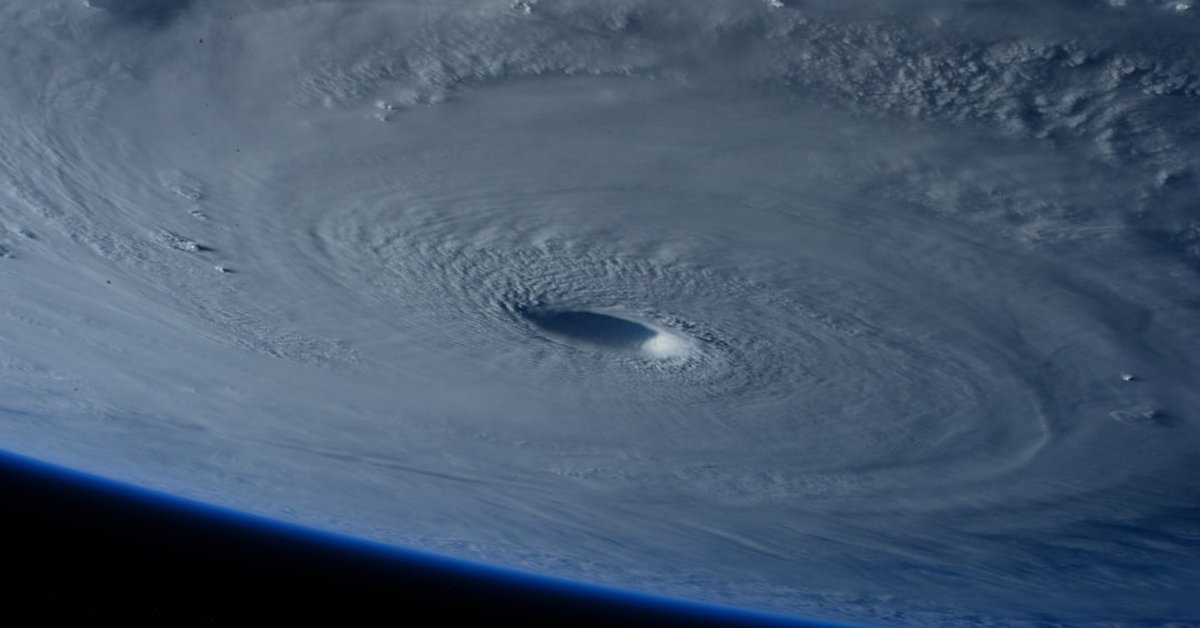





The sky over Acapulco was deceptively clear on the morning of October 24, 2023. Tourists lounged on the beaches, and locals went about their day, trusting official advisories that Hurricane Otis was a manageable Category 1 storm. By midnight, that trust lay shattered. Otis exploded into a catastrophic Category 5 hurricane in under 24 hours, slamming the resort city with 165-mph winds and leaving a trail of death and devastation. The question that haunts survivors—and meteorologists—is simple: why didn’t the advice warn them in time?
The answer is a sobering case study in the limits of forecasting and the growing gap between expert knowledge and public action. In an era of climate change, the advice we receive from weather authorities is evolving fast, but so are the storms. Knowing when to question that advice—and when to follow it blindly—can mean the difference between life and death.
The Otis Wake-Up Call: When Forecasts Fall Short
Hurricane Otis was not the first storm to undergo rapid intensification, but its ferocity and speed caught even the most seasoned forecasters off guard. The National Hurricane Center’s (NHC) initial outlook called for a 5% chance of rapid intensification. By the time the storm reached Category 5 strength, it was too late for many to evacuate or prepare.
Dr. Sarah Collins, a hurricane researcher at the University of Miami, explains: “The models simply couldn’t resolve the small-scale processes that drove Otis’s explosive growth. We had good physics—warm water, low shear—but the timing and amplitude were beyond our operational capability. That doesn’t mean advice is useless; it means we need to communicate uncertainty more aggressively.”
For the public, this mismatch creates a dilemma. Official advice said Otis was dangerous but manageable. The reality was apocalyptic. The question “Should I question this advice?” is now more relevant than ever. But blindly distrusting forecasts is equally dangerous—an overreaction can lead to unnecessary evacuations, economic losses, and even panic.
The Broader Pattern: Climate Change and the Reliability of Expert Advice
Otis is not an outlier. In 2024, Hurricane Helene underwent a similar rapid intensification before hitting the Florida Panhandle, and in 2022, Hurricane Ian did the same. According to NOAA, the proportion of Atlantic hurricanes that undergo rapid intensification has increased by roughly 20% since 1980, directly linked to rising sea surface temperatures.
This trend challenges the traditional model of public weather advice. For decades, meteorologists issued hour-by-hour forecasts, and the public largely accepted them. But as extremes become more common, the line between “likely” and “possible” blurs. James Rutter, former chief of operations at the UK Met Office, notes: “People expect certainty in a weather forecast because their lives depend on it. But uncertainty is part of the science. The advice we give needs to reflect that—and the public needs to learn how to interpret probabilities.”
For the average reader in the US, UK, or Canada, this means checking more than one source—not to distrust, but to triangulate. A single advisory from a national agency is good; cross-referencing with local emergency management, satellite imagery, and even storm-specific social media from trusted meteorologists can fill the gaps. The advice to “prepare for the worst” is often generic, but in a rapidly changing storm, it can be the difference between being trapped or safe.
How to Question Advice Without Dismissing It
So, how do you know when to question weather advice? The key is understanding the language of uncertainty. When a forecast says “possible rapid intensification,” that is not a guarantee, but it is a clear signal that the situation could escalate. Dr. Maria Lopez, a risk communication expert at the University of British Columbia, advises: “Think of weather advice like a medical diagnosis. If your doctor says there’s a 10% chance of a heart attack, you wouldn’t ignore the symptoms. Similarly, if a hurricane has a 10% chance of becoming a major storm, you should prepare for that scenario—because the cost of ignoring it is far higher than the inconvenience of over-preparing.”
For those living in hurricane-prone regions, the advice to have an emergency kit, a plan, and an evacuation route is standard. But after Otis, survivors in Acapulco learned a painful lesson: official advice often lags behind reality. Some residents reported that they didn’t evacuate because the last advisory they saw showed a Category 1 storm. The storm’s rapid intensification occurred while they slept.
This underscores the need for a cultural shift. The old rule of “wait for an evacuation order” is being overtaken by the reality that orders may come too late. Instead, experts now recommend “actionable thresholds” tied to probabilities. For example, if a storm has a 15% chance of major hurricane winds within 36 hours, begin preparations. If it reaches 30%, consider voluntary evacuation. This is a form of questioning advice—not rejecting it, but using it as a starting point for your own risk assessment.
What This Means for Cyclone Readers: A New Mindset
For readers of CyclonePost, the takeaway is practical. First, never rely on a single forecast or advisory. Use the NHC, local weather offices, and trusted independent sources like those run by former hurricane hunters. Second, pay attention to “cone of uncertainty” graphics—not just the line, but the size of the cone and the probability tables attached. These are far more informative than the headline category.
Third, ask questions before a storm hits, not during. What are the limitations of this model? How often does this agency update its advice? What alternative scenarios are possible? These are not signs of distrust; they are signs of critical thinking. As Dr. Collins puts it: “The best-informed citizens are the ones who ask the hardest questions—and then act on the answers they receive, even if those answers are incomplete.”
Looking ahead, the next decade will likely see more rapid intensification, more compound events, and more conflicts between official advice and on-the-ground reality. The relationship between experts and the public will need to evolve—toward greater transparency about uncertainty, and greater public literacy in reading those signals. For now, the most resilient communities will be those that question wisely, prepare humbly, and never assume the forecast is the final word.
As Hurricane Otis fades into memory, its legacy is a stark reminder: advice is only as good as the data that feeds it—and the judgment of those who receive it. The next storm may not give us a second chance.