

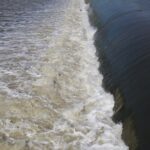




A warm breeze carries the smell of rotting vegetation over Lough Neagh. On a dock in Toomebridge, a man stares at a sea of green paint. The water is thick, opaque, and hostile.
“It’s like having an amusement park and not opening it.”
He runs a watersports center on the shore. His kayaks are dry. His jet skis are idle. He isn’t alone.
Across Northern Ireland, 245 separate toxic algae blooms have turned the 2024 summer into a catastrophe. It’s a disaster with no wind, no rain, no walls of fire. Just a quiet, creeping green death.
Let’s be clear. Two hundred and forty-five. That is the confirmed count of active blooms across Northern Ireland’s waterways, according to the Northern Ireland Environment Agency. It represents a systemic collapse.
Lough Neagh, the beating heart of the region, is the epicenter. The lake supplies 40% of Belfast’s drinking water and anchors a multimillion-pound economy. Last year’s bloom was a dress rehearsal. This year, the theater is on fire.
The Green Invasion
The blooms blanket Lough Neagh, the largest lake in the UK and Ireland, and have spread to dozens of rivers and coastal areas. DAERA’s official homepage warns of the risks: blue-green algae can produce toxins that kill dogs within minutes and cause severe illness in humans. But the environmental data tells only half the story. The blooms are a symptom of a deeper sickness—agricultural fertilizer runoff, sewage overflows, and a climate that is steadily warming the water.
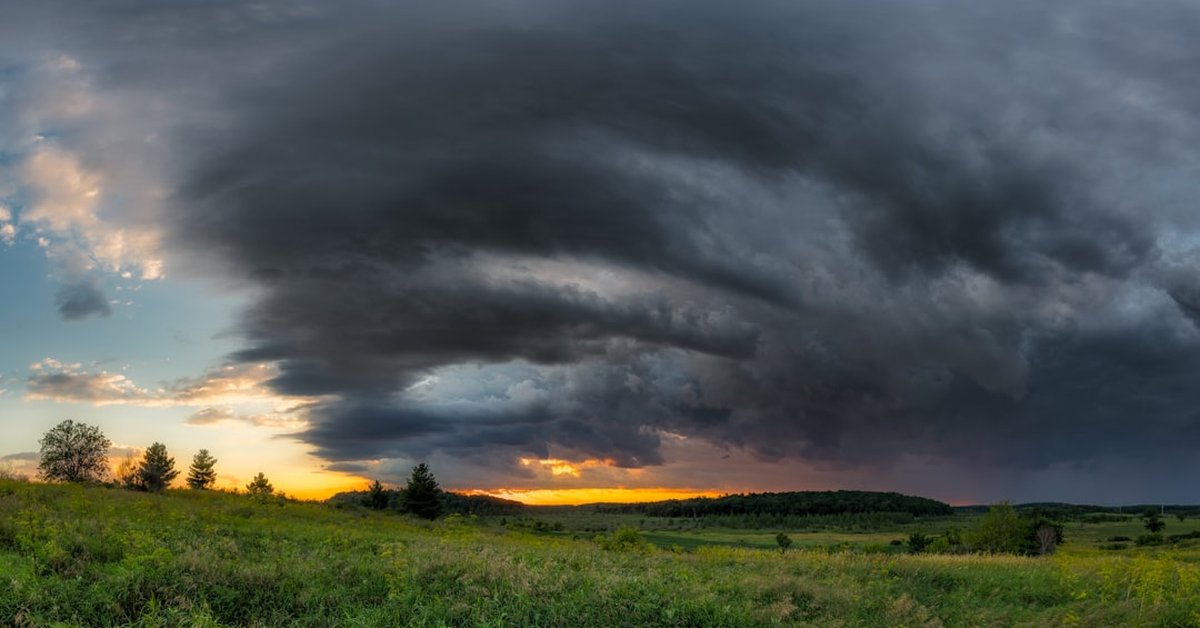
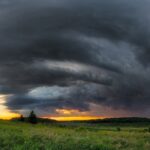
The scale is hard to grasp until you see it. From the shore, it looks like a Shelf Cloud Over Athens—a vast, ominous front rolling in, not from the sky, but from the lakebed. It just sits there, festering in the sun.
The Amusement Park is Closed
For decades, Lough Neagh was the center of gravity for a vast outdoor economy. The eel fishery is one of the largest in Europe. The eels of Lough Neagh are famous—smoked, exported, a cornerstone of local identity. Tourists flock to its shores for sailing and coarse fishing. Pubs in Antrim and B&Bs in Magherafelt rely on the summer crowds. This year, the park is shuttered.
The eel fishermen pulled their nets early. The catch was slimy and unsellable. “We watched our grandfathers fish here,” one skipper told a local inquiry. “Now we are watching the lake die.” The Lough Neagh Fishermen’s Cooperative has warned that the stock itself is under threat. The algae consumes oxygen at night, suffocating fish.
The watersports centers are ghost towns. “People are scared,” a center manager told the BBC. “They see the green and they think of their kids and their dogs. They drive to the coast instead.” The cafes are empty. The tackle shops have no customers.
Farmers are locked in a silent crisis. “The land is sick,” one farmer said. “It’s an invisible fence between us and our livelihood.” The cost of trucking in clean water is brutal for small family farms already squeezed by inflation.
This is the second-order impact that gets lost in the reports. It’s about the mortgage on the pub that can’t be paid. It’s about the teenager who didn’t get a summer job. It’s about a way of life dissolving into a green sludge.
A Familiar Pattern of Loss
This is not a hurricane. There is no dramatic video of houses washing away. But the economic whiplash is identical. When Hawaii Hurricane Fausto churned in the Pacific, the real damage was the slow recovery of the local economy. Storms crush a community in hours. Algae blooms squeeze the life out of it over months.
The psychological toll is distinct. A hurricane is a shared trauma with a clear end. An algae bloom is a slow betrayal. It turns a beautiful summer day into a reason for depression. Every sunny day makes the bloom worse. The community watches its lifeblood rot in real time.
The Price of Restoration
Fixing this will hurt the wallet. Hard. Upgrading sewage treatment, paying farmers to change practices, and restoring wetlands will cost billions. It’s a bill deferred for decades. The immediate response has been a patchwork of beach closures and boil water notices. Triage for a chronic illness.
We have seen this math before. The $43M Mamdani donation targeting NYC flood prevention was a bet on a public truth: proactive infrastructure is cheaper than reactive crisis management. Northern Ireland is now in the reactive phase. The alternative—letting the lake die—is unthinkable.
Globally, this is a pattern. Lake Erie turns green every summer. Florida’s coasts are choked with algae. Northern Ireland’s 245 blooms are a stark warning for every community. Your lake is only as healthy as the farms and sewers upstream.
What Comes Next?
The blooms will fade when the frost comes. But the crisis is structural. The “amusement park” will try to open next year, but the crowds will be thinner. The question for Northern Ireland is whether the political will exists to stop treating clean water as an infinite resource.
The park is chained shut. The question is who pays for the locksmith. And whether we have the courage to throw away the key to the system that created this mess.
Frequently Asked Questions
What is blue-green algae and why is it dangerous?
Blue-green algae, or cyanobacteria, are microscopic bacteria. When conditions are right—warm weather and high nutrient levels—they multiply rapidly, forming “blooms.” These blooms produce toxins harmful to humans and lethal to dogs. Contact can cause skin rashes and respiratory issues. Ingestion can cause liver damage.
What is causing the crisis in Northern Ireland?
The primary drivers are agricultural runoff (fertilizers) and untreated sewage, combined with rising water temperatures due to climate change. Lough Neagh is particularly vulnerable because it is shallow and drains a large farming area. The 245 blooms represent a catastrophic failure of water management.
What can be done to fix this?
Solutions require massive investment: upgrading wastewater treatment, stricter farming regulations, and restoring wetlands. Long-term, it requires addressing climate change. Politically, it requires treating water infrastructure as a crisis, not a deferred expense.