





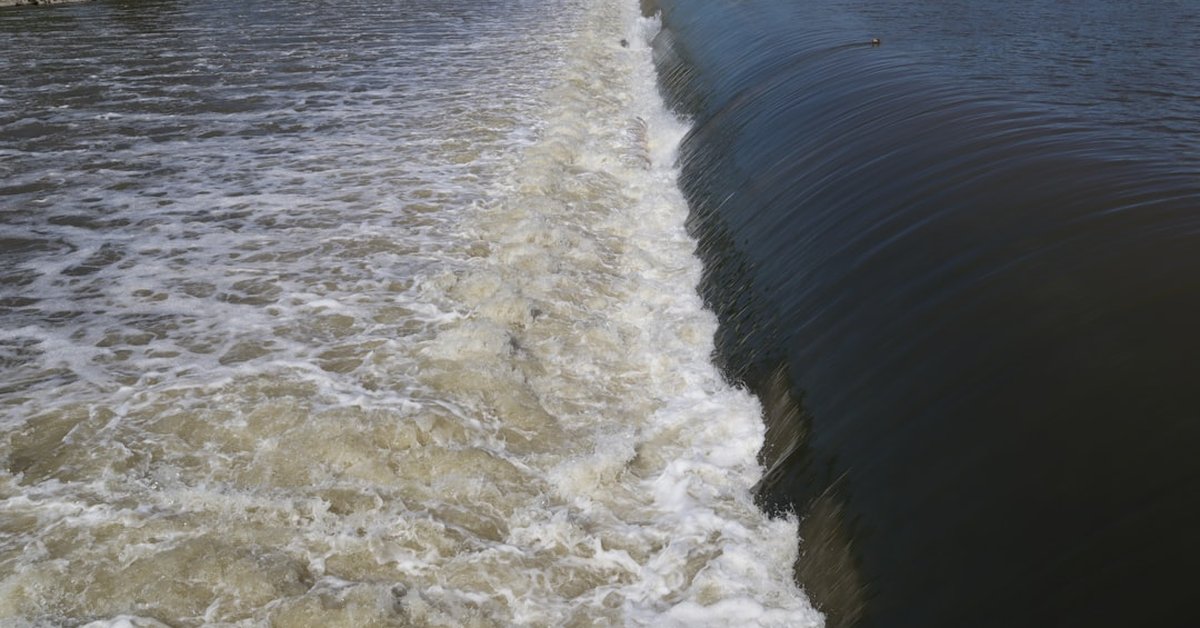
You’d think that pumping wastewater deep underground would keep it there. That’s the whole point of injection wells — bury the problem and forget it. But in southeastern Ohio, the ground is giving it back. Toxic, salty, chemical-laced wastewater from oil and gas drilling is now seeping up through the soil and into backyards. The city of Marietta is pushing back, and the fight is reshaping how we think about the ‘permanent’ disposal of fracking waste.
Ohio is a major importer of fracking wastewater — millions of barrels a year from Pennsylvania, West Virginia, and other states where drilling booms produce more brine than local injection wells can handle. The waste gets trucked in, then pumped under pressure into deep geological formations. The theory is simple: the rock layers are supposed to trap it forever. But the reality is proving more complicated. And in Marietta, residents are seeing the consequences firsthand.
The Invisible Problem That’s Now Visible
For years, the debate over injection wells was abstract. Scientists warned about induced earthquakes — and indeed, Ohio has seen a spike in quakes linked to wastewater disposal. But the more immediate threat may be the one you can’t see until it’s under your feet. In Marietta, a city of about 14,000 on the Ohio River, homeowners have reported oily, foul-smelling water pooling in yards and along creek beds. Tests have confirmed it’s brine from drilling operations — loaded with salts, heavy metals, and radioactive materials that occur naturally in the deep rock.
According to the Ohio Department of Natural Resources, there are over 200 active injection wells in the state. But the agency’s own data shows that dozens of them have reported leaks, pressure anomalies, or mechanical failures. The problem isn’t just that the wells can break — it’s that the underground pressure can force the wastewater to migrate through faults and fractures, eventually reaching the surface. This isn’t a hypothetical future scenario. It’s happening now.
Marietta city council passed a resolution in early 2025 opposing any new injection wells within city limits, and they’re exploring legal options to shut down existing ones. The mayor stated publicly that the city will not be a dumping ground for other states’ waste. But the state’s regulatory framework — which has historically favored the oil and gas industry — makes it an uphill battle. Local governments in Ohio have limited authority to block wells; the Ohio Department of Natural Resources has the final say.
Why Ohio Became the Dumping Ground
Ohio sits on a geological formation called the Cambrian-Ordovician aquifer system, which — in some areas — is deep and stable enough for injection. But the state also has a long history of oil and gas extraction, and many of the wells used for injection are converted from old oil or gas wells. That’s a recipe for trouble. Older wells may not have been designed to withstand the pressures of modern injection, and the cement casings can degrade over time.
But the real driver is economics. Pennsylvania and West Virginia produce massive amounts of fracking wastewater, but they have fewer suitable injection zones. So the waste flows to Ohio, where disposal costs are lower. In 2023, Ohio accepted over 20 million barrels of out-of-state oil and gas waste. That’s a booming business for well operators, but it’s also a ticking clock for the communities that host them.
Compare this to the kind of disaster preparedness we saw after the Wisconsin tornado — where a drone revealed just how quickly reliance on luck can fail. In Ohio, the gamble is even higher: you can’t evacuate from groundwater contamination. Once the brine reaches the surface, it’s a cleanup nightmare that can take decades and cost millions.
How Bubbling Wastewater Changes the Game
The Marietta incidents are not isolated. Similar reports have emerged from towns in Texas, Oklahoma, and Arkansas. But what makes Ohio different is the scale of imported waste and the aging infrastructure. The state’s injection well network is creaking under the pressure — literally. When wastewater bubbles up, it’s not just a nuisance. It’s a threat to drinking water, agriculture, and property values.
Environmental groups like the Ohio Environmental Council have called for a moratorium on new injection wells and a comprehensive review of existing ones. The EPA has oversight only for wells that inject hazardous waste — but most fracking wastewater is classified as non-hazardous under federal law, even though it contains toxic substances like benzene and radium. That loophole means states have to regulate themselves, and Ohio’s regulations have been criticized as weak.
One of the most alarming findings from Marietta: the bubbling brine is often warmer than the surrounding groundwater, suggesting it’s coming from deeper formations — and that the pressure is pushing it up along pathways that were never intended. It’s a sign that the underground reservoir is overfilled, like a bathtub that’s about to overflow.
This situation also echoes the challenges seen in restarting a nuclear power plant — both involve complex, aging systems where the gap between theory and reality is huge. In theory, injection wells are safe. In reality, they leak.
What Marietta’s Fight Means for the Rest of Us
Marietta is not rich. It’s not a politically powerful city. But it’s fighting back because it has to. The city’s legal strategy could set a precedent for other communities across the country. If Marietta can force the state to revoke permits or impose stricter monitoring, it could ripple through the industry.
On the other side, the oil and gas industry argues that injection wells are essential for managing waste and that the risks are manageable with proper regulation. The Ohio Oil and Gas Association has pointed out that the vast majority of injection wells operate without incident. But the minority that fail are causing disproportionate harm — and the burden falls on local residents.
The bigger question is whether the U.S. is storing up a crisis for the next generation. We’re pumping hundreds of millions of barrels of toxic brine into the ground every year. The long-term behavior of these reservoirs is poorly understood. And as the climate changes, with more extreme rainfall and flooding, the risk of contamination spreading could increase.
Look, this isn’t about stopping fracking overnight. It’s about acknowledging that the disposal method we’ve relied on for decades is not as fail-safe as advertised. Marietta is a warning sign — and it’s one we ignore at our own risk.
Frequently Asked Questions
What is fracking wastewater and why is it toxic?
Fracking wastewater, also called produced water or brine, is the fluid that comes back to the surface after hydraulic fracturing. It contains the original fracking chemicals plus naturally occurring salts, heavy metals, and radioactive materials like radium that are dissolved from the deep rock. It’s not hazardous waste under federal law, but it can be dangerous to human health and the environment if it contaminates water supplies.
How does wastewater bubble up from injection wells?
Injection wells pump wastewater under high pressure into deep porous rock formations. If the pressure is too high, or if the rock has faults or fractures, the wastewater can migrate upward along natural pathways or through the well’s own casing if it’s degraded. When it reaches the surface, it appears as seeps, pools, or springs of oily, salty water. This is a sign that the underground containment has failed.
Can Marietta really stop injection wells?
Marietta has limited authority. The Ohio Department of Natural Resources has primary jurisdiction over injection well permits. But the city can pass ordinances that restrict well operations through zoning, nuisance laws, or environmental regulations. They can also sue well operators for damages. A successful legal challenge could force the state to tighten rules, but it’s a long and expensive process. Other communities are watching closely.