





New York City is about to get a serious financial boost in its fight against climate-driven flooding — a $43 million commitment from the Mamdani Family Foundation. That’s not chump change. It’s enough to buy roughly 430,000 sandbags, or, more usefully, to jump-start long-delayed infrastructure projects that could keep whole neighborhoods dry. The money is earmarked for the agency responsible for operating the city’s flood gates and managing climate adaptation efforts.
For context: Hurricane Sandy in 2012 flooded 88,700 buildings across the city. Since then, the city has spent billions but still faces a multi-billion-dollar funding gap for coastal defenses. This donation won’t close that gap — but it might unlock more. Philanthropic money often acts as a catalyst for larger federal or state grants. Think of it as the first domino.
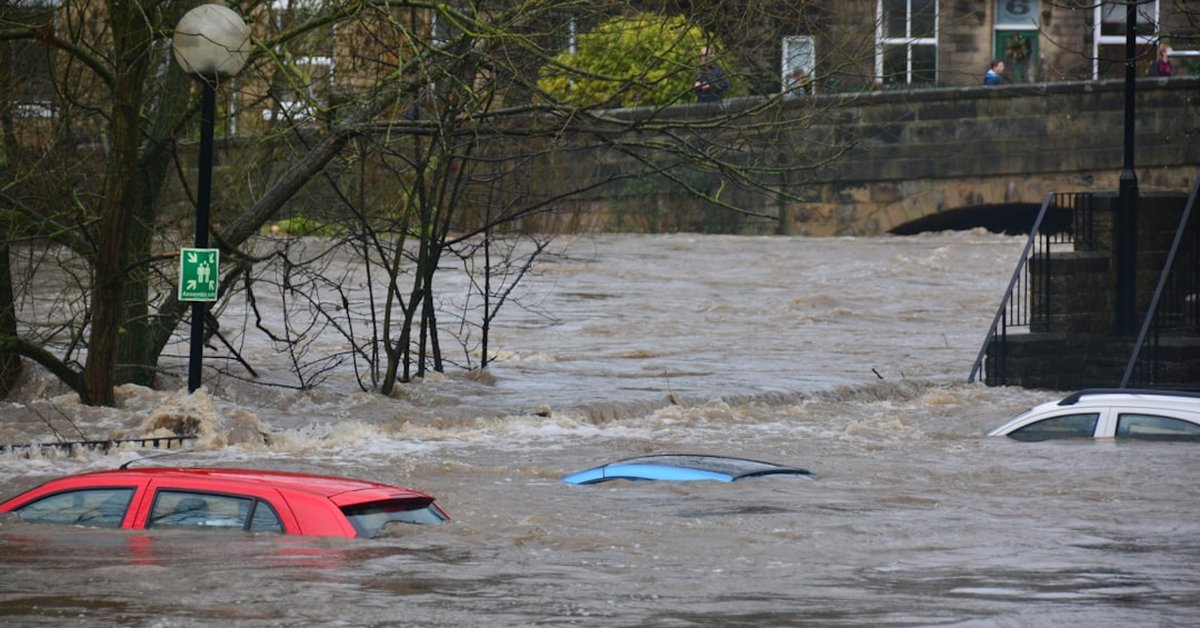
And here’s the part that matters to anyone living near the coast or a floodplain: the timing. NYC just got hit by back-to-back nor’easters last winter that pushed water over the East River seawalls. The Lower East Side saw flooding in March 2024 that shut down FDR Drive for hours. So this isn’t abstract. This is cash hitting the ground right when the ground keeps getting wet.
Where the Money Goes — and Why It Matters
The $43 million lands at the New York City Department of Environmental Protection (DEP), specifically its climate resilience division. That’s the team that runs the East Side Coastal Resiliency Project — a $1.45 billion plan that includes flood walls, berms, and deployable gates along the East River from Montgomery Street to East 25th Street. Completion date: 2026, if funding holds.
This donation covers roughly 3% of that project’s cost. But 3% at the right moment can keep contracts signed, workers paid, and timelines intact. According to the city’s Office of Management and Budget, the project was facing a $300 million shortfall as of last quarter. The Mamdani money effectively covers a sixth of that gap.
There’s another layer: the DEP also operates tide gates across the five boroughs — think massive valves that close when storm surges rise. Right now, many of them are decades old, prone to jamming. A 2023 NYC Comptroller audit found that 14 of the city’s 56 tide gates were in poor condition. The new funds could accelerate the maintenance backlog.
Look, flood gates aren’t sexy. But when they fail — like they did in Queens during Tropical Storm Ophelia in September 2023 — basements fill with sewage. Not a fun Tuesday.
What This Means for Your Commute, Your Basement, and Your Insurance Bill
Here’s the direct takeaway for New Yorkers: faster completion of flood defenses means fewer road closures, less damage to subway entrances, and potentially lower flood insurance premiums. FEMA’s National Flood Insurance Program raised rates for NYC properties by an average of 18% in 2024. That number could stabilize or drop if the city demonstrates it’s serious about risk reduction.
A 2024 analysis by the National Hurricane Center (yes, they track this year-round) notes that a single Category 1 hurricane hitting NYC would cause $8 billion in insurable losses. The Mamdani donation, spread over flood protection, reduces that risk profile. Insurers notice.
And for residents in Red Hook, Battery Park City, or Long Island City: the East Side Coastal Resiliency Project includes new park space on top of flood walls. You get flood protection plus a place to walk your dog. That’s the trade-off — and a smart one.
But there’s a cautionary tale here. Flood Watch: The Silent Danger Nobody Is Talking About This Spring — an earlier CyclonePost analysis — flagged that New Yorkers tend to tune out flood risk until water is already lapping at their doors. The psychological distance is real. People in Fort Lauderdale thought they were safe too, until April 2023 when 26 inches of rain shut down the city in 12 hours.
This donation won’t solve that perception problem. But it makes the reality harder to ignore.
Why Philanthropic Flood Funding Is Rare — and Risky
Large private donations for infrastructure aren’t common. Most climate philanthropy goes toward conservation or renewable energy, not concrete and steel. The Mamdani Family Foundation, known for funding education and health initiatives, is pivoting here. Why?
(Probably) because government alone can’t move fast enough. Federal infrastructure grants take 18-24 months to flow. State budgets get tied up in Albany politics. Philanthropic money can be wired in weeks. That speed matters when a 2025 nor’easter or hurricane could overwhelm existing defenses.
But there’s a downside: private money can distort priorities. A donor might favor a high-profile project in a wealthy neighborhood over a less visible but equally needed fix in a poorer area. The city’s Climate Justice Agenda explicitly tries to avoid this, but if a $43 million check comes with strings — even implicit ones — it could shift the balance. The DEP says the donation is unrestricted, but watchdog groups are already calling for transparency on how it’s spent.
Historically, similar donations have mixed records. The Rockefeller Foundation poured $50 million into New Orleans after Hurricane Katrina for resilience planning. Some projects delivered; others got bogged down in bureaucracy. The lesson: money alone isn’t a solution. Execution is everything.
Broader Implications: NYC as a Test Case for Climate Donations
If this works, other major cities — think Miami, Charleston, Boston — will be watching. Private climate adaptation funding is still novel. The Global Commission on Adaptation estimates that $180 billion a year is needed globally for climate adaptation, with only about 15% coming from private sources. A successful NYC model could unlock more.
Boston, for example, is already grappling with its own coastal flooding issues. The recent Samantha Chaney’s WBZ-TV Exit: Behind the Boston Weather Shakeup article highlighted how even local weather coverage reflects a growing public demand for actionable flood information. That demand, paired with private money, could reshape how cities prepare.
But don’t overstate the impact. $43 million, while huge for a single check, is a rounding error in NYC’s $112 billion annual budget. The real test is whether this donation builds momentum — enough to push the city to close that $300 million gap entirely. If it does, neighborhoods from Lower Manhattan to Staten Island will stay drier. If it doesn’t, well — that’s a wetter future we’d rather not imagine.
Frequently Asked Questions
Will this donation prevent all future flooding in NYC?
No. No single project — or donation — can eliminate flooding entirely, especially as sea levels rise and storms intensify. The $43 million is aimed at specific flood gates and coastal barriers. It reduces risk for about 10,000 residents in the East Side project area, but doesn’t cover the entire city. Think of it as a significant upgrade, not a fix-all.
How quickly will the money be spent?
The DEP plans to allocate the funds within 18-24 months, primarily for the East Side Coastal Resiliency Project and tide gate repairs. Some work — like gate maintenance — could start within weeks. Larger construction is on a 2026 timeline. The city must also submit quarterly spending reports to the foundation.
Are other cities likely to see similar donations?
Possibly. If NYC demonstrates measurable success — fewer flood claims, faster recovery after storms — other philanthropic groups may follow suit. Cities with existing resilience plans, like Boston and Miami, are the most likely candidates. But it’s still early; the model hasn’t been proven at scale yet.