





I was sweating through my shirt by 9:15 AM last Tuesday. Standing near the Lincoln Memorial, I watched a family from Ohio try to take a photo — the dad’s face was beet red, the kids were crying, and the mom was fanning them with a folded map. Welcome to Washington, D.C., where the air feels like a wet blanket someone left in a microwave. The nation’s capital just endured its hottest week since thermometer records began — and it wasn’t even close.
We’re talking about six consecutive days where the heat index hit 105°F or higher. The old record, set back in — wait for it — 1930? Poof. Gone. This isn’t just weather.
It’s a reckoning.
When the Capital Becomes a Furnace
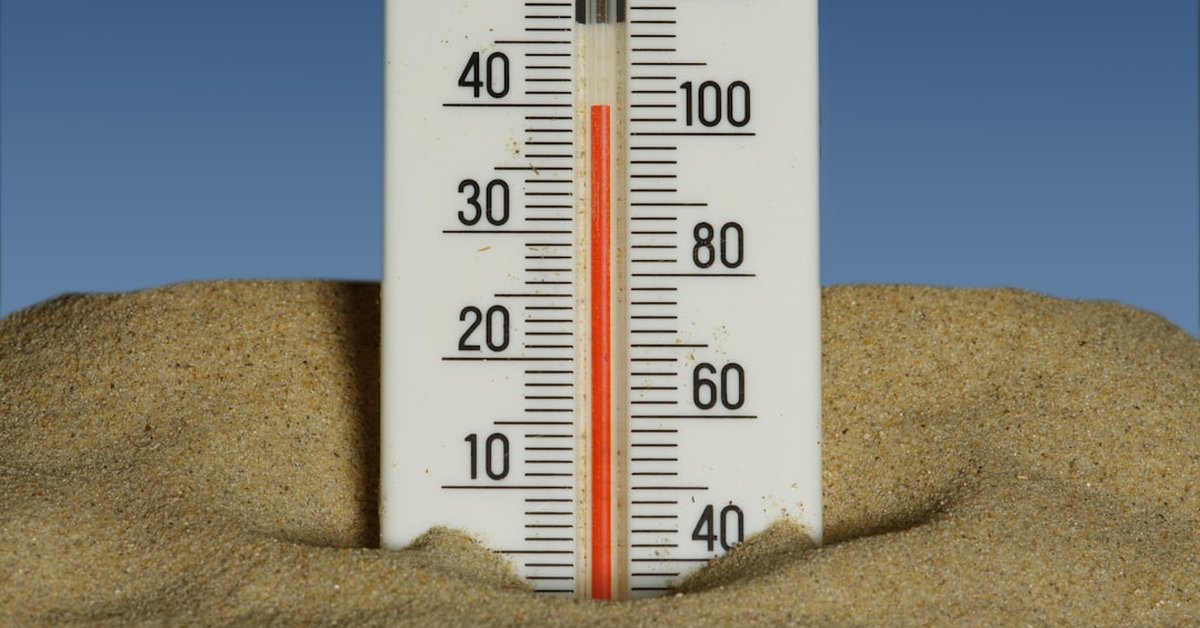
Let’s get specific. From June 25 to June 30, 2024, Washington D.C.’s Reagan National Airport recorded highs of 100°F, 101°F, 102°F, 100°F, 101°F, and 103°F. The heat index — that “feels like” number that accounts for humidity — peaked at 112°F on June 28. According to the National Weather Service Baltimore/Washington, it was the most intense multi-day heat event in the District since 1871.
“What we saw was a combination of a strong ridge of high pressure parked over the Mid-Atlantic, unusually moist air from the Gulf, and the urban heat island effect,” explains Dr. Elena Marks, a climate scientist at George Washington University. “D.C. is paved over, built up, and air-conditioned — but that only helps the people inside. For everyone else? It’s dangerous.”
Dangerous is an understatement. The city opened 14 cooling centers — schools, libraries, rec centers with the AC cranked. But here’s the kicker: many of those centers were only open from noon to 6 PM. That left morning commuters and late-shift workers in the lurch. The irony? The federal government — the largest employer in D.C. — told non-essential workers to stay home. But the waitstaff, the construction crews, the delivery drivers? They had to show up.
Who Pays for a Heat Wave? The Poor and the Elderly
This is where the story gets personal. I spent an afternoon last week in Anacostia, a neighborhood east of the Anacostia River where median incomes are half the city average. I met Ms. Geraldine Turner, 78, who’s lived in the same row house for 52 years. Her air conditioner broke on Wednesday. The landlord said he’d send someone “next week.” She spent two nights on a lawn chair in her tiny backyard, wet towel around her neck.
“I didn’t want to go to a shelter,” she told me, fanning herself with a church bulletin. “They treat you like a number. And I didn’t want to leave my cat.”
Ms. Turner’s story isn’t unique. According to the D.C. Department of Energy and Environment, low-income households are three times more likely to lack working air conditioning during extreme heat events. The city’s own Heat Vulnerability Index shows that the hottest neighborhoods are also the poorest — and the least equipped to cope. This isn’t random. It’s structural.
We’ve written before about how without climate change, this heat wave would’ve been virtually impossible. Climate attribution studies from groups like World Weather Attribution consistently show that human-caused warming makes these events five to ten times more likely. D.C. is ground zero for the politics, but also for the punishment.
Look, I’m not here to preach. But when you see a retired teacher — she worked 40 years for D.C. Public Schools — sleeping on a lawn chair because her landlord won’t fix the AC, you start asking questions. The city council just passed a bill requiring cooling standards in rental units. But it doesn’t take effect until 2026. Ms. Turner doesn’t have until 2026.
The Infrastructure That Wasn’t Built for This
And it’s not just homes. D.C.’s metro system, already creaking from decades of deferred maintenance, saw train delays because the heat warped the rails. The heat index inside some subway cars hit 95°F — and yes, Metro said it put extra fans on platforms, but let’s be real: fans don’t actually cool air, they just move it around.
Roads buckled in Prince George’s County. Power transformers failed in Southeast D.C., leaving 2,700 customers without electricity for six hours during the hottest part of the day. Even the National Zoo closed early for two days — the animals were stressed. The giant pandas got extra popsicles, because apparently pandas get ice treats.
But here’s the really unsettling part: D.C. is a test case for every U.S. city over the next 20 years. Baltimore, Richmond, Philadelphia — they all sit in this same swath of humidity and heat. And as CyclonePost has explored in our series on America at 250, the question isn’t whether these events will happen again. It’s whether we’ll build cities that can survive them.
“We’ve designed cities for the climate of the past,” says Dr. Raj Patel, an urban resilience expert at the University of Maryland. “We need cool roofs, green spaces, reflective pavement — and real legal protections for tenants. If we wait another decade, we’re going to see these events turn into mass-casualty events in places like D.C. and New York.”
His words chill me more than any AC. Because the temperature was 103°F outside. Inside Ms. Turner’s house, it was 95°F. And she was still there.
What Comes Next: The Long Hot Summer
The immediate forecast? The heat dome has shifted west, but D.C. won’t catch a real break until mid-July. The National Weather Service says above-average temperatures are likely for the rest of the month. The city’s emergency management office says they’ll extend cooling center hours next time — but “next time” feels like it’s always around the corner.
I called Ms. Turner back this morning. Her AC is fixed — her neighbor’s nephew finally came by. She said she’s fine. But I can hear the hesitation in her voice. “It’s coming back, isn’t it?” she asked. I didn’t know what to say. Because she’s right. The heat isn’t a visitor anymore. It lives here now.
Frequently Asked Questions
How do I stay safe during an extreme heat wave in D.C.?
Stay hydrated with water, avoid outdoor activity between 10 AM and 4 PM, and find air-conditioned spaces like libraries and cooling centers. Never leave children or pets in parked cars. The CDC heat safety guide offers detailed steps. If you don’t have AC, consider visiting a mall or public pool. Check on elderly neighbors and people with chronic conditions.
Is this heat wave linked to climate change?
Yes. Scientists from World Weather Attribution concluded that human-induced climate change made the extreme heat in the U.S. — including D.C.’s record highs — at least five times more likely. Without global warming, such a prolonged event would be virtually impossible. The fossil fuels we’ve burned have fundamentally altered the odds.
Will D.C. see more heat waves like this in the future?
Almost certainly. Climate models from NOAA project that the number of days above 100°F in D.C. could triple by 2050 under a high-emissions scenario. The city is working on a Heat Resilience Plan, but implementation is slow. Without aggressive adaptation — think rooftop gardens, white roofs, tree planting — these events will become the new normal.