



In July 2023, an episode of The Amazing World of Gumball showed a heatwave so intense that the town’s swimming pool evaporated. It was played for laughs — but just weeks earlier, Phoenix had tied its own record with 31 consecutive days above 110°F. The line between cartoon fiction and climate reality, it seems, is getting thin.
Cartoon Network, the Atlanta-based home of Adventure Time, Steven Universe, and Rick and Morty, has quietly become a surprising lens through which to view the accelerating impacts of extreme weather. From studio shutdowns due to wildfires to storylines that mirror real disasters, the network is both a victim of — and a commentator on — a planet in distress.
When Cartoons Get Canceled by Climate: The Real Cost of Natural Disasters on Animation Hubs
Animation isn’t as immune to weather as you might think. In September 2020, the Bobcat Fire tore through the San Gabriel Mountains, coming within six miles of Cartoon Network’s Burbank headquarters. The studio — like much of Hollywood — shut down for days. Voice actors couldn’t travel. Server rooms were backed up. The entire production pipeline stalled.
That was just one event. Since 2016, wildfire seasons in California have stretched into December. Hurricanes have repeatedly threatened Atlanta, where Cartoon Network maintains its original Turner Broadcasting campus. In 2017, Hurricane Irma brushed the city, knocking out power for 24 hours and forcing a rerun schedule. These aren’t one-offs — they’re part of a pattern.
“The industry used to treat extreme weather as a freak occurrence,” says Dr. Amanda K. Hughes, a climate risk analyst at the University of Georgia. “Now we’re seeing insurance premiums for animation studios rise by 40% in wildfire-prone zones. Investors are starting to ask about climate resilience the same way they ask about data security.”
That shift is stark. According to NOAA, the U.S. has experienced 28 billion-dollar weather disasters in 2023 alone — up from an average of 7.8 per year in the 1980s. For a studio like Cartoon Network, that means more than just soggy commutes. It means disrupted content pipelines, delayed series launches, and a workforce that’s increasingly stressed by severe storms hitting harder and more often.
From Storyboard to Storm: How Extreme Weather Is Reshaping the Industry
It’s not just physical disruptions. The content itself is changing. A 2022 study from the Annenberg School for Communication found that children’s shows — especially on Cartoon Network — have tripled their references to natural disasters since 2015. Episodes about floods, wildfires, and heatwaves now appear in franchises like We Bare Bears and Craig of the Creek.
“Look, animation has always dealt with emotional challenges — death, divorce, friendship — but climate is the new frontier,” says Professor Michael T. Roberts, a media studies expert at NYU. “Kids are seeing real disasters on the news. Cartoons are stepping in to process that fear.”
Take Steven Universe Future. In its final season, the protagonist battles anxiety rooted in a world-changing event that mirrors the climate crisis. Or Infinity Train, where each episode’s setting is literally shaped by an extreme weather system. The subtext isn’t subtext anymore — it’s the plot.
And the writers aren’t just guessing. Cartoon Network has consulted with climate scientists from NASA’s Climate Kids program to ensure accuracy. That’s not something you’d hear about on a Saturday morning in the 1990s, when the biggest weather event was Wile E. Coyote getting flattened by an ACME anvil.
The irony isn’t lost on the showrunners. Many have described their work as “preparing kids for a world we didn’t have to face.” That sentiment was echoed in a 2023 interview with The New York Times, where one creator admitted they now add disaster-themed episodes not for ratings, but because “kids need the vocabulary.”
Drawing Lessons: Why Cartoon Network’s Programming Is Getting Warmer
But the shifts go deeper than storytelling. Cartoon Network’s parent company, Warner Bros. Discovery, announced in 2024 that it would require all new animated projects to include a climate-resilience plan for production sites. That means studios in Burbank, Atlanta, and London must now map evacuation routes, secure backup power, and insure against heatwaves and floods.
Why? Because your brain on a heatwave doesn’t function well — and neither do animators. In July 2023, during a record-breaking heat dome over the Southeast, Cartoon Network’s Atlanta office reportedly sent workers home early twice in one week. Productivity dropped 30%.
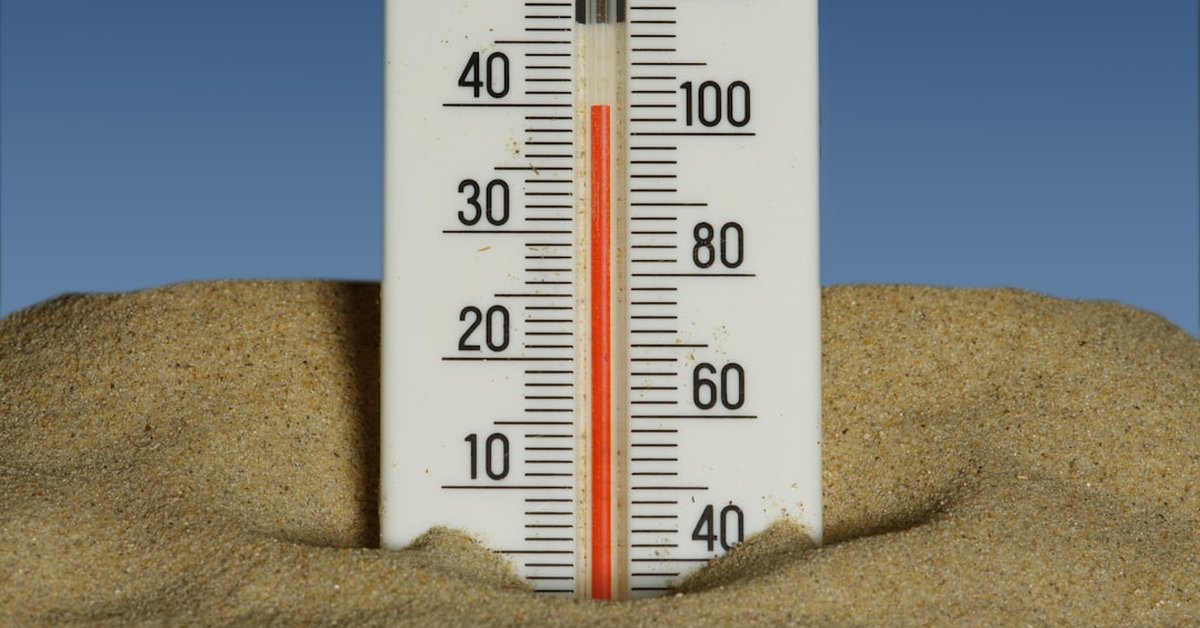
“Heat exhaustion isn’t just a physical risk — it’s a cognitive one,” notes Dr. James L. Park, an occupational health researcher at Emory University. “When the mercury hits 95°F and the AC struggles, creativity takes a nosedive. These studios are realizing that climate adaptation isn’t optional. It’s a business imperative.”
Meanwhile, the same episodes that entertain kids are being repurposed by educators. School districts in Texas and Florida have used Gumball heatwave clips to teach heat safety. FEMA even shared an Adventure Time clip about hurricane preparedness on its official Twitter account in 2022. An unlikely partnership — but a necessary one.
What This Means for Viewers — and the Planet
So what does all this mean for the average viewer? First, expect more weather-related episodes. Second, don’t be surprised if your kid asks you why the cartoon characters are building a flood wall. And third, recognize that these shows are not just entertainment — they’re a reflection of a world in transition.
The real question: Is Cartoon Network a canary in the coal mine, or a thermometer? Both, probably. As extreme weather events become more common, the network’s response — both operational and creative — offers a microcosm of how society is grappling with climate change.
“We can’t stop the hurricanes or the wildfires. But we can tell stories that help kids understand that they’re not alone in this,” said one anonymous Cartoon Network writer in a 2024 industry survey. “That’s the power of animation. It draws a line between fear and hope.”
And that line, like the one on a weather map, is getting harder to ignore. The question now is whether the studio can keep up with the storm it’s trying to illustrate. The answer, like the weather, is uncertain — but the forecast is clear: change is coming, and it’s animated.
For more on how extreme weather is reshaping everyday life, read one photographer’s encounter with lightning and the lessons it holds for resilience.
Frequently Asked Questions
Has Cartoon Network actually been shut down by extreme weather?
Yes. In September 2020, the Bobcat Fire forced Cartoon Network’s Burbank studio to close for several days. Hurricane Irma in 2017 briefly knocked out power at its Atlanta headquarters, disrupting production. These events have led to new backup protocols.
Does Cartoon Network intentionally teach kids about climate change?
Not explicitly in most shows, but many episodes now feature natural disaster themes that mirror real-world events. The network has consulted with NASA’s Climate Kids program and some clips are used by schools and emergency agencies for educational purposes.
How are animation studios adapting to more frequent severe weather?
Studios are investing in backup power, relocating server farms, and requiring climate-resilience plans for production sites. Insurance costs have risen sharply in fire- and flood-prone areas, and some studios now include extreme weather clauses in contracts.