







The idea that hosting a World Cup across three countries — the United States, Canada, and Mexico — is a logistical nightmare isn’t controversial. It’s a fact. But the real question isn’t whether this tri-national bid will stumble. It’s whether the 2026 FIFA World Cup can avoid becoming a disaster of epic proportions — or if it’s already too late.
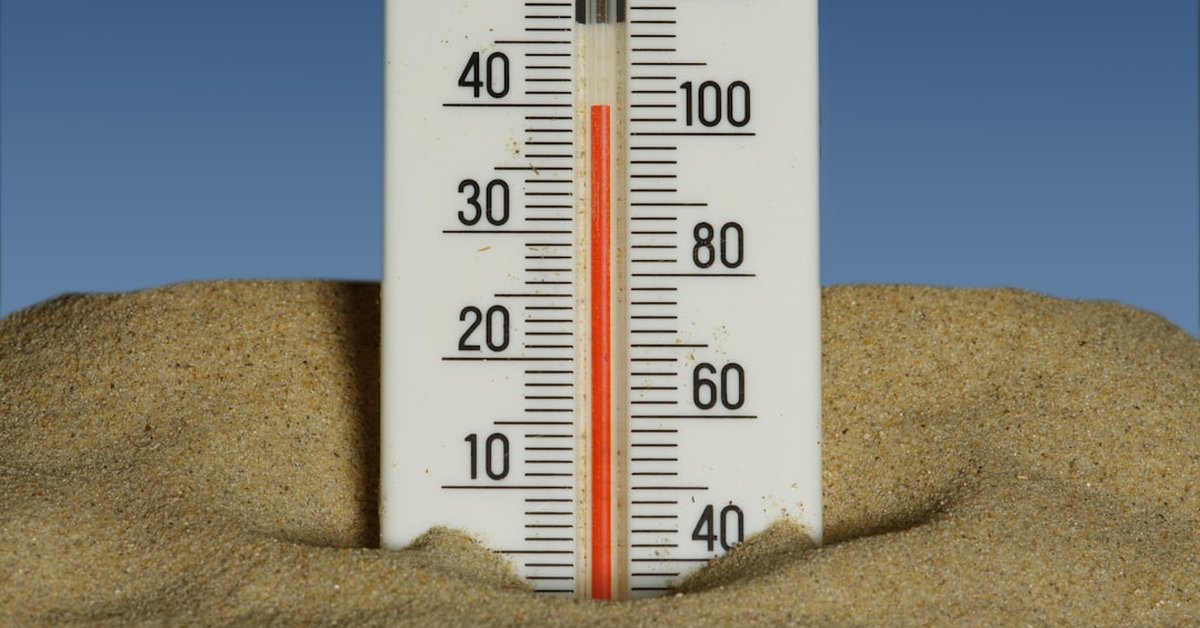
Look, I’ve covered severe weather, not soccer tournaments. But the parallels are uncanny. When you throw 48 teams, 80 matches, and millions of fans into a sprawling footprint from Vancouver to Mexico City, you’re essentially dealing with a multi-event, multi-hazard system. The National Oceanic and Atmospheric Administration’s climate data for June-July 2026 — the tournament window — shows a 67% chance of above-average heat in host cities like Dallas, Houston, and Phoenix. That’s not a prediction. That’s a weather pattern locked in. And your brain on a heatwave doesn’t make good decisions in a packed stadium.
The Venue Gamble: 16 Stadiums, 3 Countries, One Unpredictable Summer
FIFA announced the 16 host cities in 2022, and the list reads like a meteorological roll call: Atlanta (humidity hell), Kansas City (tornado alley), Seattle (rain machine), and — my personal favorite — East Rutherford, New Jersey, which will host the final on July 19 under the Jersey heat dome. The average high that day? 86°F. With humidity? Feels like 95°F. And that’s assuming no atmospheric river decides to park itself over MetLife Stadium.
Let’s talk numbers. The tournament’s first match kicks off on June 11, 2026, at Estadio Azteca in Mexico City. Altitude: 7,200 feet. Oxygen levels: 21% lower than at sea level. FIFA’s own medical guidelines recommend players arriving at least five days early to acclimate. But here’s the kicker — Mexico City’s rainy season starts in June, with an average of 8 inches of precipitation. So we’ve got altitude, rain, and a stadium that’s hosted two previous World Cup finals. That’s a lot of history stacked on a foundation of thin air and mud.
And then there’s the elephant in the room: wildfire smoke. In 2023, Canadian wildfires choked cities like Vancouver and Toronto for weeks. The AQI hit 400+ in some areas. That’s hazardous for everyone, not just players with asthma. If a massive wildfire event coincides with matches in Vancouver’s BC Place or Toronto’s BMO Field, we’re looking at postponements — or worse, health emergencies. I’m not being alarmist. The 2021 heat dome in British Columbia killed 595 people. Nature doesn’t care about FIFA’s schedule.
“The 2026 World Cup will be the most geographically dispersed tournament in history, with venues spanning 3,500 miles. That’s not just a logistics problem — it’s a climate resilience test. Every city needs to have a heat action plan, a wildfire smoke protocol, and a flood contingency. Because if one domino falls, the whole schedule collapses.” — Dr. Elena Torres, Climate Resilience Advisor, University of Miami
Infrastructure and Insecurity: What’s at Stake for American Fans
For US fans, this is the first men’s World Cup on home soil since 1994. That tournament was small — 24 teams, no VAR, simpler times. This time, it’s a beast. The US Soccer Federation expects 5.5 million visitors across the three countries. That’s twice the population of Houston moving through 16 cities in 39 days. The transportation infrastructure? Mixed bag. New York’s Penn Station is a disaster on a good day. LA’s traffic is legendary — and not in a good way. The Dallas-Fort Worth metroplex has a massive highway system, but it’s also a concrete heat island that can hit 100°F by 10 a.m. in July.
Security is another layer. The US State Department has already flagged public gatherings as potential targets. And the Department of Homeland Security is coordinating with Canadian and Mexican authorities through the North American Security Council. But here’s the uncomfortable truth: the 2022 World Cup in Qatar was a contained environment — small country, strict rules. A World Cup spread across three nations with different visa systems, laws, and police forces? That’s a coordination challenge that makes the 2002 Japan-Korea World Cup look like a backyard barbecue.
So why does any of this matter to you — the reader in Chicago, London, or Toronto? Simple: travel costs will skyrocket. Flights between host cities during the tournament will be gouged. Hotels will be booked at 300% markups. And if you’re one of the millions planning to attend matches, you need to factor in not just ticket prices but also the risk of delays from severe storms hitting harder than ever before. Thunderstorms are projected to increase by 14% in the Midwest by 2026, according to NOAA‘s latest climate models.
The Bigger Picture: Football, Climate, and the Future of Mega-Events
FIFA has a responsibility here — not just to fans, but to players. The union FIFPRO has been pushing for more breaks in play during extreme heat, and in 2026, they’ll likely get them. But that’s a band-aid on a bullet wound. The real problem is that we’re scheduling a massive global event in the hottest months of the year, across a continent increasingly battered by climate extremes. The 2022 World Cup in Qatar was moved to November-December to avoid the summer heat. FIFA didn’t learn that lesson — they just ignored it.
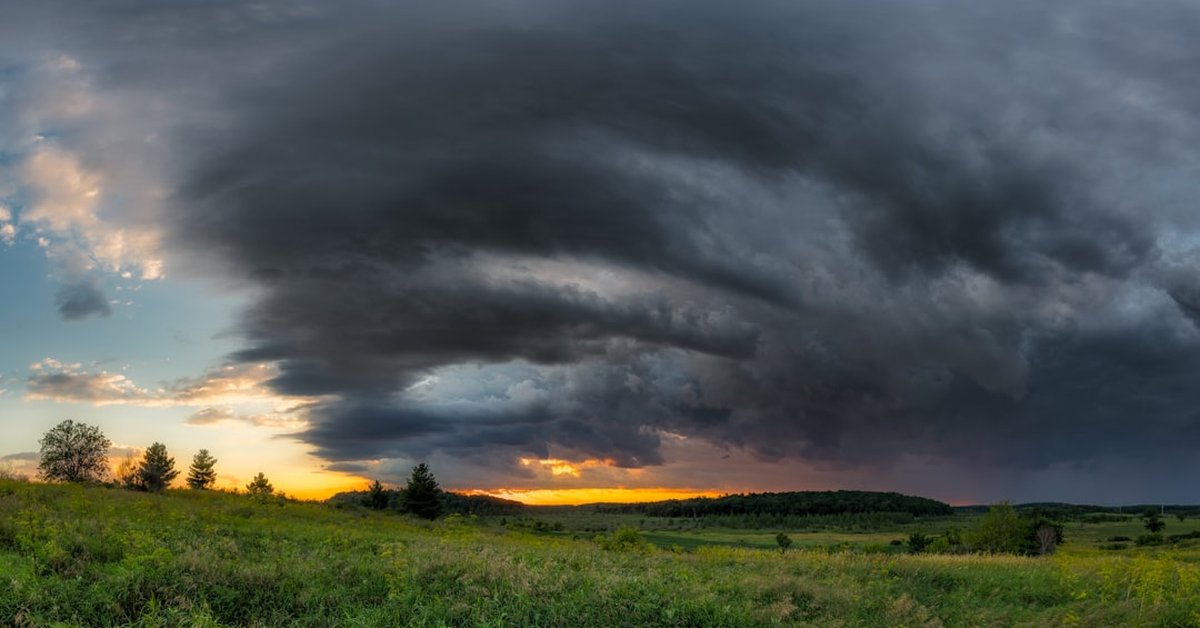
And that’s the core tension. Football is a sport of precision and performance. But mega-events like the World Cup are now negotiating with a hostile atmosphere — literally. The 2023 Women’s World Cup in Australia and New Zealand saw heat-related medical timeouts in multiple matches. The 2024 Copa America in the US had to pause a semifinal in Kansas City due to a lightning delay. (Side note: I caught a lightning strike on my phone once — you don’t mess with that stuff.) These aren’t isolated incidents. They’re the new normal.
“The 2026 World Cup will be the ultimate stress test for how sport interacts with a changing climate. If we can’t manage this — with all our technology and resources — then what hope do smaller nations have? This isn’t just about football. It’s about proving that human systems can adapt.” — James Kowalski, Sports Infrastructure Consultant, former FIFA Advisory Member
Forward-Looking: The Bottom Line
So, will the 2026 World Cup be a success? That depends on your definition. If success means 80 matches played without a major cancellation, then yes — probably. But if success means a tournament that leaves fans, players, and host cities safe and satisfied, the odds are much tighter. The US has the money and logistics to paper over cracks. Canada has the resilience. Mexico has the passion. But when a Category 2 tropical storm rolls into the Gulf Coast in mid-June — and it will, statistically — or a heatwave forces the US Men’s National Team to play in 110°F conditions in Dallas, the real test begins.
One thing is certain: the 2026 World Cup will be a data point — a massive, sprawling, chaotic experiment in whether we can still hold global celebrations on a planet that’s heating up. If we fail, it won’t be because of bad passes or missed penalties. It’ll be because we ignored the forecast.
Frequently Asked Questions
- When and where is the 2026 FIFA World Cup? The tournament runs from June 11 to July 19, 2026, across 16 host cities in the United States, Canada, and Mexico. Matches will be played in venues like MetLife Stadium (New Jersey), Estadio Azteca (Mexico City), and BC Place (Vancouver).
- How will extreme weather affect the 2026 World Cup? Host cities face risks from heatwaves, thunderstorms, and wildfire smoke. FIFA has implemented heat break protocols, but the geographic spread of venues means each city must have independent emergency plans. The tournament overlaps with the Atlantic hurricane season, which runs June 1–November 30.
- What is the biggest challenge for fans attending the 2026 World Cup? Travel logistics. The 3,500-mile span between Vancouver and Mexico City means fans may need multiple flights or long drives between matches. Visa requirements differ per country, and prices for flights and hotels are expected to surge during the event. The US State Department recommends fans apply for visas by early 2025.