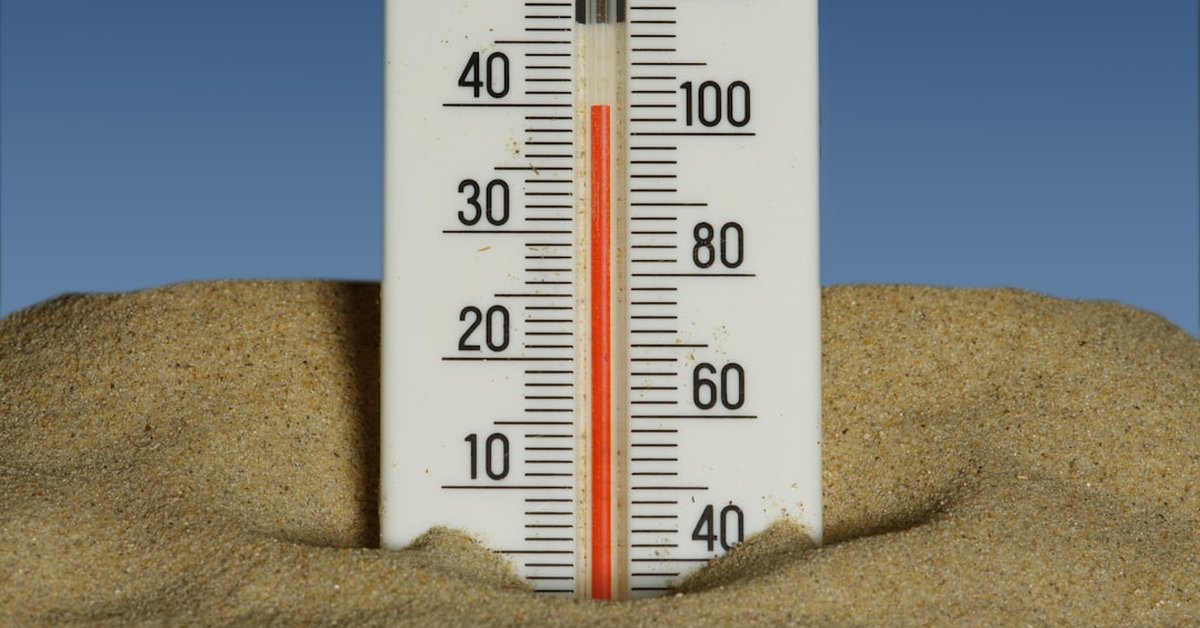







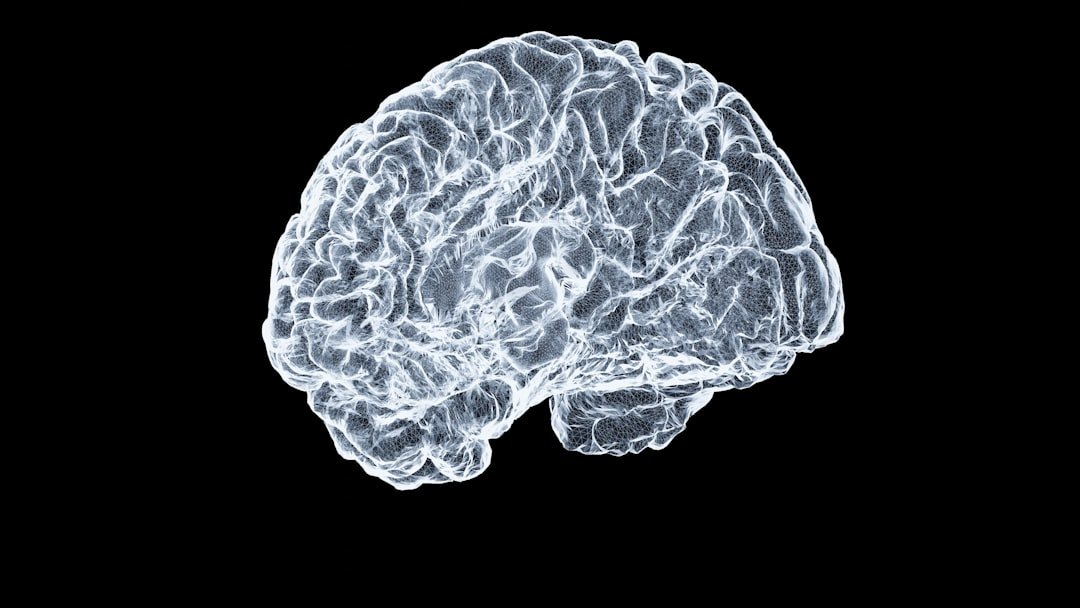
It’s 3 p.m. on a July afternoon in Phoenix. The asphalt shimmers, and the air is thick enough to chew. You’re trying to finish a spreadsheet, but the numbers blur. You re-read the same cell three times. Your coworker snaps at you for a minor mistake. It’s not just the sweat trickling down your neck—your brain is literally cooking.
A growing body of research confirms that extreme heat doesn’t just make you uncomfortable; it fundamentally alters how your brain works. When the mercury climbs past 32°C (90°F), cognitive performance starts to slide. Hit 40°C (104°F) and it’s a free fall. The National Institutes of Health reports that heat stress impairs attention, memory, and reaction time—sometimes by 20% or more. It’s not just a bad day. It’s a biological shutdown.
What Happens Inside the Skull When the Thermometer Spikes
Your body loves a tight temperature band around 37°C (98.6°F). The brain is the most energy-hungry organ—it burns about 20% of your calories—and it’s exquisitely sensitive to heat. When core temperature rises, blood vessels in the brain dilate. That sounds helpful, but it brings more heat and fluid, increasing pressure inside the skull. Meanwhile, the brain’s electrical signaling starts to misfire.
“Exposure to extreme heat reduces the efficiency of neurotransmission,” explains Dr. Carmen L. Johnson, a cognitive neuroscientist at the University of California, San Diego. “You see reduced activation in the prefrontal cortex—the area responsible for decision-making, planning, and impulse control. It’s like someone turned down the dimmer switch on your executive function.”
Studies from lab settings show that when participants sit in rooms at 35°C (95°F) for an hour, their performance on math and memory tests drops by about 10%. After two hours, it’s closer to 20%. And that’s in a controlled environment. In a real heatwave—especially one like the Heat Dome Descends on Northeast: Record-Breaking Temps and Wicked Humidity—you’re dealing with high humidity too, which prevents sweat from cooling you down. Your brain gets the double whammy.
Heat and Memory: Why You Forget Your Keys (and Your Kid’s Name)
Short-term memory is notoriously fragile in the heat. The hippocampus, which acts like a memory stick for recent events, is highly vulnerable to thermal stress. A 2022 study published in The Lancet Planetary Health found that students in classrooms without air conditioning during a heatwave scored 14% lower on exams than those in cooled rooms. Over four days of 38°C heat, the gap widened to 18%.
“We’re not just talking about feeling a bit fuzzy,” says Dr. Marcus Okonkwo, an environmental health researcher at the University of Washington. “Heat-induced cognitive deficits can be as severe as those seen after a night of total sleep deprivation. It’s functionally impairing.”
That forgetfulness can be dangerous. People forget to hydrate, miss warning signs of heat exhaustion, and make risky decisions. During the 2021 Pacific Northwest heat dome—a catastrophic event—emergency rooms reported a spike in accidents and medication errors. The cognitive fog literally puts lives at risk.
The Long-Term Toll: Can Chronic Heat Reshape Your Brain?
Most research has focused on acute heat exposure—a day or a week. But as climate change turns heatwaves into the new normal, scientists are starting to ask about chronic effects. Preliminary data from a five-year study in India, where temperatures regularly exceed 45°C (113°F), suggests that repeated heat stress may accelerate age-related cognitive decline.
“Think of it as repeated mild traumatic brain injuries,” says Dr. Johnson. “Every heatwave is a hit. The brain recovers, but over decades, the cumulative damage might be real.” The World Health Organization lists cognitive impairment as an emerging concern linked to climate change. No one yet knows the threshold, but it’s a worrying trend.
On the flip side, some evidence suggests that athletes and outdoor workers who acclimate to heat develop a degree of resilience—their brains learn to cope. But that tolerance is limited, and it doesn’t erase the risk. One firefighter I spoke with described the mental blank that hits after 20 minutes inside a burning building. It’s why they have strict rotation protocols. (If you want to hear more from those who battle heat daily, check out Extreme Heat Survival Tips From a Death Valley Ranger, Volcano Guide, and Firefighter—their advice works for your brain too.)
What You Can Do: Practical Brain Cooling
The good news: you can fight back. Cooling the body directly cools the brain. A cold towel on the neck or wrists, a fan blowing on wet skin, or a cool shower can drop cerebral temperature fast. The CDC’s extreme heat guide recommends staying in air-conditioned spaces for at least a few hours a day—that’s enough to give your brain a reset.
What about that extra cup of coffee? Bad idea. Caffeine is a diuretic and a vasoconstrictor; it can exacerbate dehydration and reduce blood flow to the brain. Alcohol is worse. Hydrate with water or electrolyte drinks. And if you have to be outdoors during a heatwave, wear a wide-brimmed hat—your scalp radiates heat, and a hat reflects some of that.
Dr. Okonkwo emphasizes planning: “Don’t trust your brain when it’s hot. Make decisions in the morning when you’re cool. Write things down. And listen to your body—if you feel confused, irritable, or unusually tired, get in the shade immediately.”
This isn’t just about comfort. As heatwaves become more frequent and intense, our cognitive vulnerability is a public health issue. Workplaces, schools, and hospitals need to adapt. Already, some workplaces in the Gulf states are moving heavy labor to night shifts. The NFL has modified practice rules for hot days. But billions of people in developing countries don’t have that luxury. The brain doesn’t care about your ZIP code—it will fry just the same.
So next time you feel the mental fog rolling in on a 38°C day, know it’s not laziness. It’s biology. Your brain is crying for help. Listen to it.
Frequently Asked Questions
How does heat affect memory and concentration?
Heat diverts blood flow from the brain to the skin for cooling, reduces oxygen delivery, and disrupts neural communication. Short-term memory and executive function—like decision-making and focus—are particularly impaired. Studies show performance drops of 10–20% during moderate to extreme heat exposure.
Can extreme heat cause permanent brain damage?
Yes, if heat stroke occurs (core body temperature above 40°C/104°F) and is not treated quickly, it can cause lasting neurological damage or death. However, for most people without heat stroke, cognitive effects are reversible with cooling and hydration. Repeated severe heat exposure over years may accelerate cognitive decline, but research is still ongoing.
What is the best way to protect my brain during a heatwave?
Stay hydrated with water and electrolytes, avoid alcohol and caffeine, spend several hours in air-conditioned spaces, and use direct cooling methods on the neck, wrists, and head. Wear light clothing and a hat outside. Plan mentally demanding tasks for cooler parts of the day.