





You wake up in Des Moines, step outside, and it hits you — that thick, soupy air that makes you feel like you’re breathing through a wet towel. You check your phone. Dew point: 78°F. Relative humidity: 95%. And then you see the headline that makes you do a double-take: parts of the Midwest are currently more humid than the Amazon Rainforest.
It sounds absurd. The Amazon is the planet’s largest tropical rainforest, a place where humidity is a given, where the air is so thick you can practically taste the green. But here’s the thing: it’s not absurd. It’s happening right now. And it’s not just a quirky weather fact — it’s a symptom of something bigger, something that’s reshaping summers across the American heartland.
Let’s break down what’s going on, why it matters, and what it means for the millions of people living in this sudden, sticky reality.
The Numbers Don’t Lie: Midwest vs. Amazon
On July 15, 2024, the dew point in Moline, Illinois hit 81°F. In Indianapolis, it was 79°F. In Cedar Rapids, Iowa, 80°F. For context, the average dew point in Manaus, Brazil — smack in the middle of the Amazon — hovers around 74°F during its wet season. So yes, the Midwest is currently more humid than one of the most humid places on Earth.
“This is not normal,” says Dr. Melissa Torres, a climatologist at the University of Illinois. “We’re seeing dew points that are typically associated with the Persian Gulf, not the Corn Belt. The combination of record-warm Gulf of Mexico waters and a stalled weather pattern is funneling tropical moisture straight into the Midwest.”
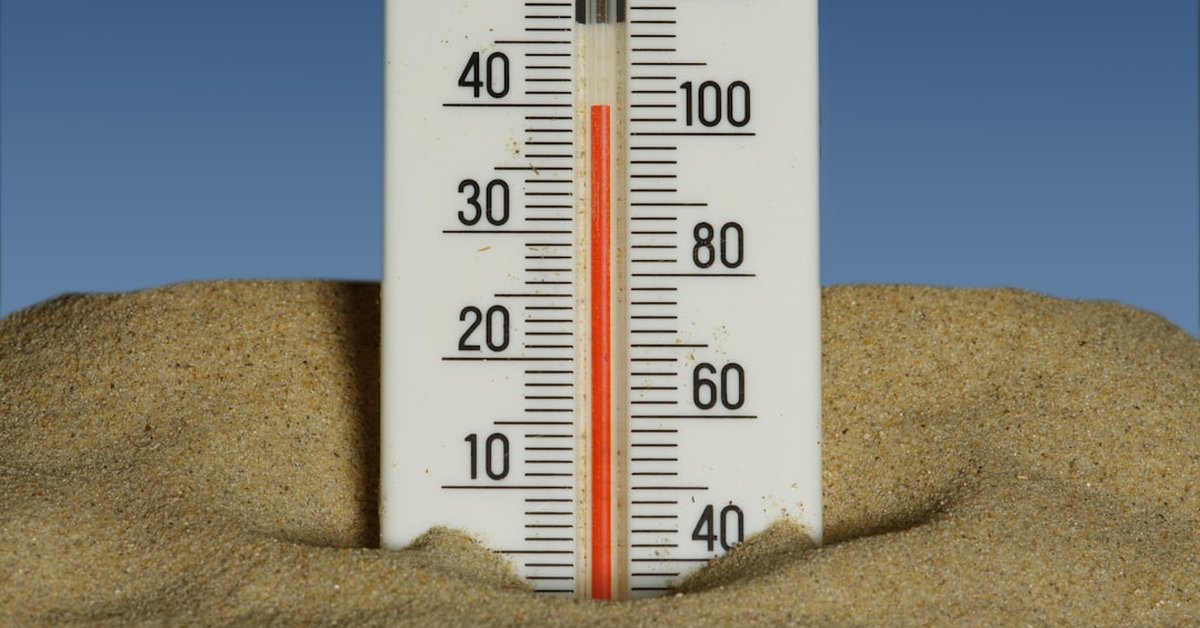
And it’s not just the numbers. It’s the feeling. The heat index — what the temperature actually feels like when you factor in humidity — has been topping 110°F across the region. That’s dangerous. That’s the kind of heat that sends people to the emergency room. As we reported in our deep dive on the heat index, when the mercury hits 100°F and the dew point is above 75°F, your body’s primary cooling mechanism — sweating — basically stops working. The air is already so saturated that sweat can’t evaporate. You’re cooking from the inside out.
Why the Midwest? Blame the Gulf and a Stalled Jet Stream
So how did Iowa end up more humid than the Amazon? It’s a perfect storm of factors, and it starts with the Gulf of Mexico. Sea surface temperatures in the Gulf have been running 2-4°F above average for weeks. That warm water evaporates like crazy, loading the atmosphere with moisture. Normally, that moisture gets pushed east or south. But a stubborn high-pressure system over the Southeast has created a blocking pattern, forcing that tropical air mass to flow north — straight into the Midwest.
“Think of it like a firehose aimed at the Corn Belt,” explains Dr. James Whitfield, a meteorologist at the National Weather Service in Chicago. “The Gulf is the reservoir, and the jet stream is the nozzle. Right now, the nozzle is locked in place, and it’s pointing right at us.”
The result? Dew points that rival the Amazon. And unlike the Amazon, where the humidity is a constant, the Midwest isn’t built for this. Our infrastructure, our homes, our bodies — they’re adapted to a more temperate climate. When the humidity spikes like this, it’s not just uncomfortable. It’s a public health crisis.
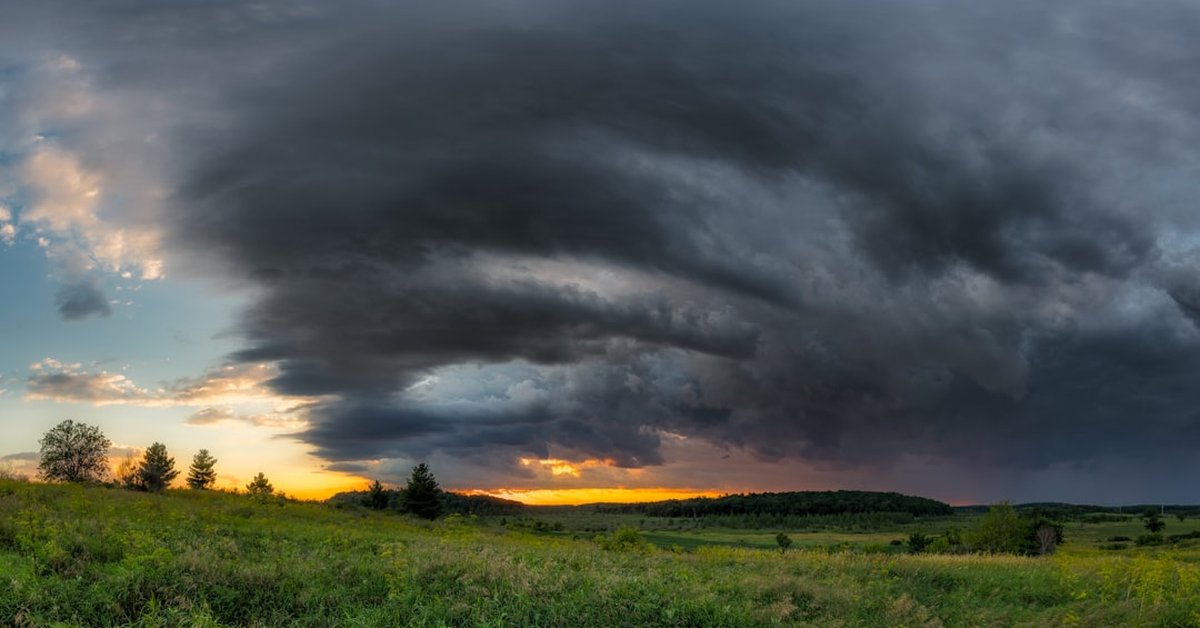
This is also why the region is seeing such intense storms. As we explored in our analysis of Midwest storm patterns, the collision of tropical moisture with cooler air aloft creates the perfect conditions for explosive thunderstorms. And that’s exactly what’s been happening — severe storms with torrential rain, damaging winds, and even tornadoes have been ripping through the same areas that are already sweltering.
What This Means for You: Health Risks and Practical Tips
Look, I get it. It’s easy to laugh off a headline like “More Humid Than the Amazon” as a fun fact for your group chat. But this is serious. When the heat index exceeds 105°F for multiple days in a row, the risk of heat exhaustion and heat stroke skyrockets. And it’s not just the elderly or the very young who are vulnerable. Healthy adults working outside, athletes at summer practice, even people just walking to their car — they’re all at risk.
Dr. Sarah Chen, an emergency medicine physician at Northwestern Memorial Hospital in Chicago, has seen the impact firsthand. “We’ve had a 40% increase in heat-related ER visits this month compared to last year,” she says. “People don’t realize how quickly it can happen. You start feeling dizzy, your skin gets hot and dry, and then you’re in trouble. By the time you realize something’s wrong, it’s often too late.”
So what can you do? First, check the heat index before you go outside. If it’s above 105°F, stay indoors if possible. If you have to be outside, take frequent breaks in the shade or air conditioning. Drink water — not soda, not beer, water. And never, ever leave children or pets in a parked car, even for a minute. The temperature inside a car can rise by 20°F in just 10 minutes.
Also, pay attention to your body. If you stop sweating even though you’re hot, that’s a red flag. If you feel confused or nauseous, get help immediately. This isn’t the time to tough it out.
The Bigger Picture: Climate Change and the New Normal
Here’s the uncomfortable truth: this isn’t a one-off. The Midwest has always had humid summers, but the intensity and duration of these events are increasing. According to data from the National Oceanic and Atmospheric Administration (NOAA), the average dew point in the Midwest has risen by about 2°F over the past 50 years. That might not sound like much, but it’s enough to push more days into the “oppressive” category — and to make extreme events like this one more likely.
“What we’re seeing is consistent with climate change projections,” says Dr. Torres. “Warmer air holds more moisture. As the planet warms, the atmosphere’s capacity for water vapor increases by about 7% per degree Celsius. So these extreme humidity events are going to become more common and more intense.”
And it’s not just the Midwest. The Reuters report on this heat wave noted that similar conditions have been observed in parts of the Northeast and even Canada. The entire eastern half of the continent is feeling the squeeze. But the Midwest is ground zero right now, and it’s a wake-up call.
So what’s next? The forecast shows this pattern persisting for at least another week. After that, it could break — or it could get worse. The CDC’s extreme heat guidelines are worth bookmarking, because we’re going to need them. And if you’re in Iowa, Indiana, or Illinois, take a moment to appreciate the absurdity of it all. You’re living in a place that’s more humid than the Amazon. But don’t let that fact distract you from the real story: this is what climate change feels like. And it’s only going to get stickier.
Frequently Asked Questions
Is it really more humid in the Midwest than in the Amazon Rainforest?
Yes, temporarily. On certain days in July 2024, dew points in parts of Iowa, Indiana, and Illinois exceeded 80°F, while the average dew point in Manaus, Brazil (in the Amazon) is around 74°F. Dew point is a more accurate measure of atmospheric moisture than relative humidity, and these Midwest readings are exceptionally high.
Why is the Midwest so humid right now?
The primary cause is record-warm sea surface temperatures in the Gulf of Mexico, combined with a stalled weather pattern that is funneling tropical moisture northward. A high-pressure system over the Southeast is blocking the normal flow, creating a persistent flow of humid air into the Midwest.
How can I stay safe during extreme humidity?
Monitor the heat index, stay indoors during the hottest parts of the day, drink plenty of water, and take breaks in air conditioning if you must be outside. Watch for symptoms of heat exhaustion (dizziness, nausea, heavy sweating) and heat stroke (hot dry skin, confusion, loss of consciousness). Seek medical help immediately if you suspect heat stroke.