



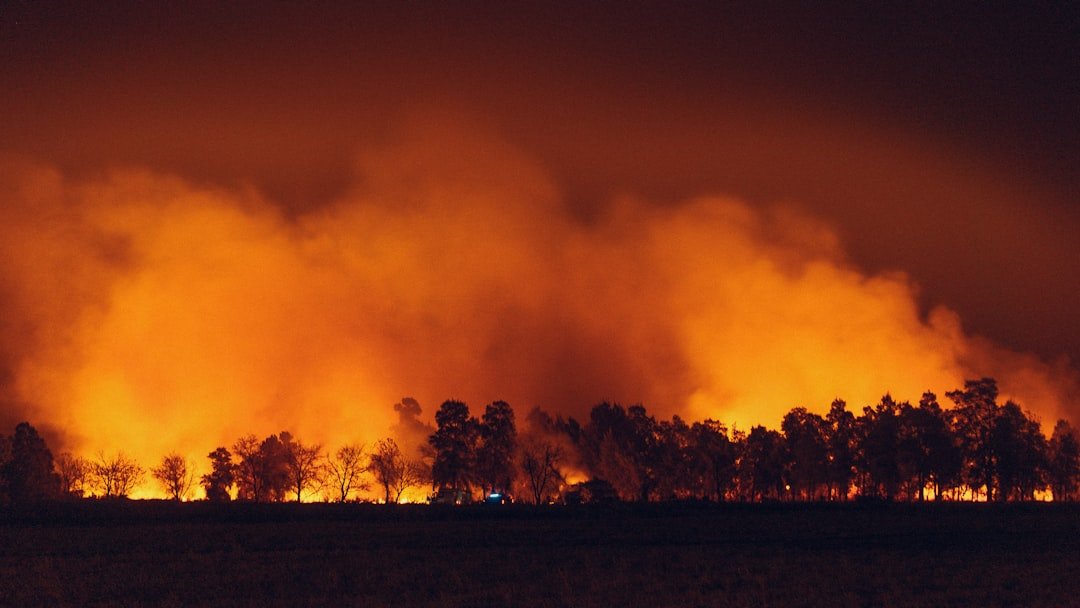
I was sipping my coffee yesterday morning, watching the smoke plume from my back porch in Denver—a familiar, sickening sight for anyone who’s lived through a Colorado wildfire season. By noon, that plume was a roiling, brown-black bruise on the sky. The Aspen Acres Fire, which had smoldered quietly for days, had turned into a monster.
Yesterday was brutal. Red flag warnings blanketed the state. Gusts hit 50 mph, humidity dropped to single digits, and temperatures soared into the 90s. It was the kind of day where you feel the air sucking the moisture out of your skin. And the fire—it exploited every bit of it.
As of this morning, the Aspen Acres Fire has scorched over 12,000 acres. That’s up from just 800 acres on Monday. Zero percent containment. Fire officials are calling it a ‘critical fire behavior day’—which is basically their way of saying we’re in uncharted territory.
The Perfect Recipe for a Blow-Up
Firefighters don’t use the word ‘explosion’ lightly. But that’s what happened. The Aspen Acres Fire—ignited last Friday by a lightning strike in the Pike National Forest—was a slow burn until Tuesday. Then the winds arrived.
According to the National Weather Service in Boulder, the fire grew by more than 3,000 acres in a single six-hour window Tuesday afternoon. “The combination of critically dry fuels, low relative humidity, and strong gusty winds created an environment where any fire could spread rapidly,” said meteorologist Sarah Kinsley. “We’re talking about drought-stricken vegetation that’s basically ready to ignite like tinder.”
And it’s not just the fire itself. It’s the smoke. The plume is drifting across the Front Range, triggering air quality alerts from Colorado Springs to Fort Collins. Schools in Woodland Park and Divide have canceled outdoor activities. Residents in the town of Aspen Acres—a community of about 1,200 people nestled in the foothills—were ordered to evacuate Tuesday evening. Many grabbed only what they could carry.
Evacuations and a Community on Edge
I spoke with Maria Chavez, who fled her home with her two kids and their golden retriever. “I’ve been through this before,” she told me, her voice shaky. “But this time feels different. The fire was moving so fast, we didn’t even have time to pack photos. Just essentials.”
She’s not alone. As of Wednesday morning, mandatory evacuation orders cover more than 600 homes in Teller and El Paso counties. The Red Cross has set up an emergency shelter at a high school in Colorado Springs. But with the fire still raging, officials worry the evacuation zone could expand.
And here’s the kicker: the weather isn’t letting up. Forecasts show more of the same for the rest of the week—gusty winds, low humidity, and above-normal temperatures. The National Weather Service has extended the red flag warning through Thursday evening. The fire danger will remain extreme.
This isn’t just a Colorado problem. The same weather pattern—a high-pressure ridge over the Southwest—is fueling dangerous heat conditions across the region. In Phoenix, temperatures are expected to hit 115°F this weekend. In Las Vegas, 110°F. The heat index is a silent killer.
The Bigger Picture: A Fire Season Like No Other?
Let me put this in perspective. Colorado’s fire season used to run from June through September. But over the past decade, it’s stretched into early spring and late fall. The Aspen Acres Fire is just the latest example of a trend that’s reshaping the West.
According to the National Interagency Fire Center, more than 2.5 million acres have burned in the U.S. so far this year—that’s nearly 30% above the 10-year average. And we’re only in June. The fire season is accelerating.
Dr. James Thompson, a fire ecologist at Colorado State University, explained it bluntly: “What we’re seeing is the intersection of climate change and decades of fire suppression. The forests are overgrown, the droughts are more intense, and the fire seasons are longer. It’s a perfect storm.” He added that fires like Aspen Acres are becoming the ‘new normal’—and that’s terrifying.
The economic toll is staggering. Firefighting costs for the Aspen Acres blaze alone are approaching $8 million. The U.S. Forest Service has deployed four Hotshot crews, two air tankers, and multiple helicopters. But even with those resources, containment remains elusive.
And what about the aftermath? The burn scar from Aspen Acres will be prone to flash flooding and mudslides for years. Just last month, areas near the 2021 Marshall Fire saw debris flows after a heavy rainstorm. It’s a double whammy: fire, then flood.
Meanwhile, across the Atlantic, Europe’s heatwave hangover is triggering severe thunderstorms. It’s a reminder that extreme weather is a global phenomenon—one we can’t ignore.
What Comes Next for Aspen Acres
Right now, every firefighter in the region is focused on containment. But the weather isn’t cooperating. Winds are expected to shift again Thursday, potentially pushing the fire toward more populated areas. Crews are building firebreaks, conducting burnout operations, and preparing for the worst.
For the residents of Aspen Acres, it’s a waiting game. They’re glued to their phones, refreshing evacuation maps, watching for updates. Many have already lost everything before—in the 2020 Cameron Peak Fire, the 2021 Marshall Fire. There’s a collective trauma here that’s hard to articulate.
But there’s also resilience. I saw it in Maria Chavez’s eyes when she said, “We’ll rebuild. We always do.” And she’s right. Colorado is tough. But the question is: how many times can a community go through this before breaking?
As I write this, the smoke is still thick. The sun is a pale orange disk behind the haze. And the forecast—well, it doesn’t look good. Tomorrow will be another day of extreme fire weather. And the day after that. And maybe the day after that.
We’re in the middle of a fire season that feels like it’s writing its own rules. And all we can do is watch, prepare, and hope the winds shift.
Frequently Asked Questions
Why did the Aspen Acres Fire grow so fast?
The fire exploded due to a combination of extreme weather conditions: sustained winds of 40-50 mph, humidity levels below 10%, and drought-stricken vegetation. The National Weather Service had issued red flag warnings, indicating critical fire weather. The fire’s rapid growth—from 800 acres to over 12,000 in two days—is consistent with what experts call ‘extreme fire behavior’ driven by climate change.
Is the Aspen Acres Fire under control?
No. As of Wednesday morning, the fire is zero percent contained. Over 600 homes are under mandatory evacuation orders in Teller and El Paso counties. Firefighters are working to build containment lines, but the weather forecast shows continued gusty winds and low humidity through the end of the week, making containment difficult.
How can I help the victims of the Aspen Acres Fire?
The best way to help is to donate to verified organizations like the American Red Cross of Colorado & Wyoming or the Colorado Fire Relief Fund. You can also check local resources like the Teller County Office of Emergency Management for specific needs. Avoid donating physical items unless requested, as they can overwhelm relief efforts.