






Nobody is talking about this, but tonight’s Strawberry Moon isn’t just another full moon. It’s the first full moon of summer, rising over UK skies — and there’s a quiet drama unfolding up there that most people will sleep right through.
Let me explain. The Strawberry Moon reaches its official peak at 04:53 BST on Tuesday, June 30, according to the Royal Observatory Greenwich. That’s the early hours — the kind of hour when even dedicated sky-watchers might hit snooze. But here’s the thing: you don’t need to see it at the exact minute of peak. The moon will appear full and brilliant for the entire night of June 29 into June 30. And it’s worth staying up for.
Why? Because summer full moons sit lower in the sky than their winter counterparts. That low angle means the moonlight passes through more of Earth’s atmosphere. More atmosphere means more scattering of blue light. More scattering means the moon looks warmer — almost amber, sometimes orange. It’s not the moon changing. It’s the air between you and it.
“The Strawberry Moon is a beautiful reminder that our planet’s position relative to the sun and moon creates these subtle, seasonal signatures,” says Dr. Emma Perkins, an astronomer at the University of Edinburgh. “For casual observers, it’s one of the easiest astronomical events to enjoy — no telescope needed, just a clear sky and a bit of patience.”
Why ‘Strawberry’? (It’s Not What You Think)
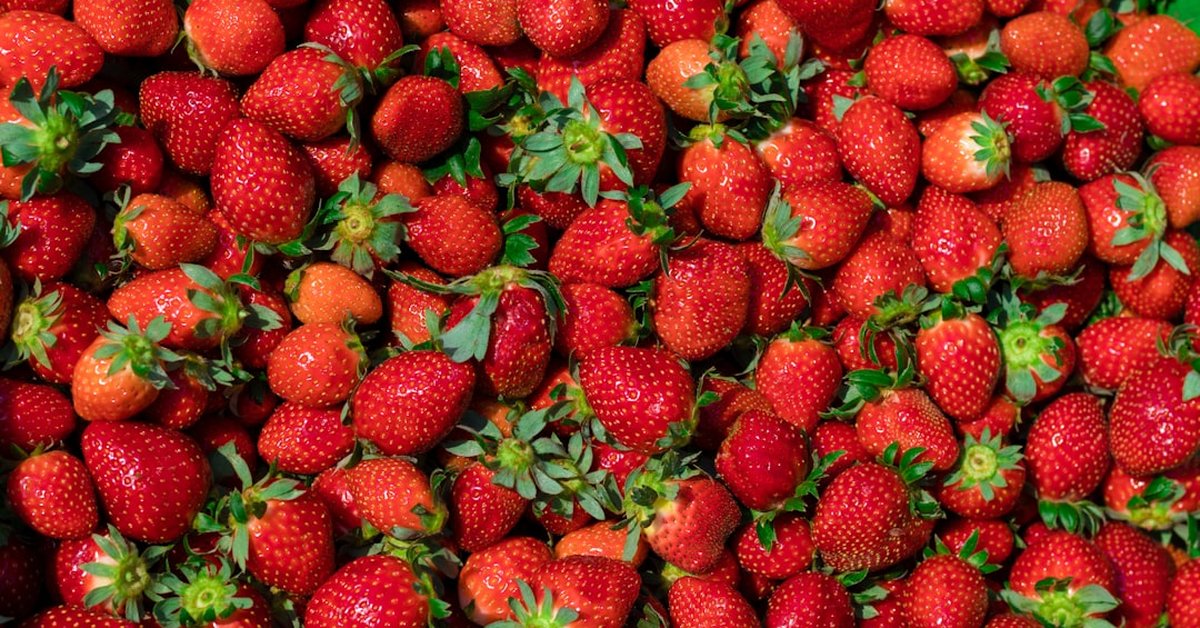
The name doesn’t come from the moon’s color. It comes from the Algonquian tribes of northeastern North America, who associated this full moon with the short strawberry harvesting season. European settlers adopted the name. In Europe, some called it the Rose Moon or Honey Moon — which is where the term “honeymoon” might actually come from, since June was traditionally the most popular month for weddings.
So no, it won’t look like a giant strawberry hanging in the sky. But it will feel different. Lower. Warmer. More intimate, somehow.
This is the same moon that, just a few days ago, was casting shadows over flood-ravaged towns in the Midwest. In fact, while you’re gazing up tonight, consider that communities in places like Highmore, South Dakota are still digging out from tornadoes and flooding that struck earlier this month. The same moon that’s peaceful over your backyard was a witness to their chaos.
How to Actually See It (Weather Permitting)
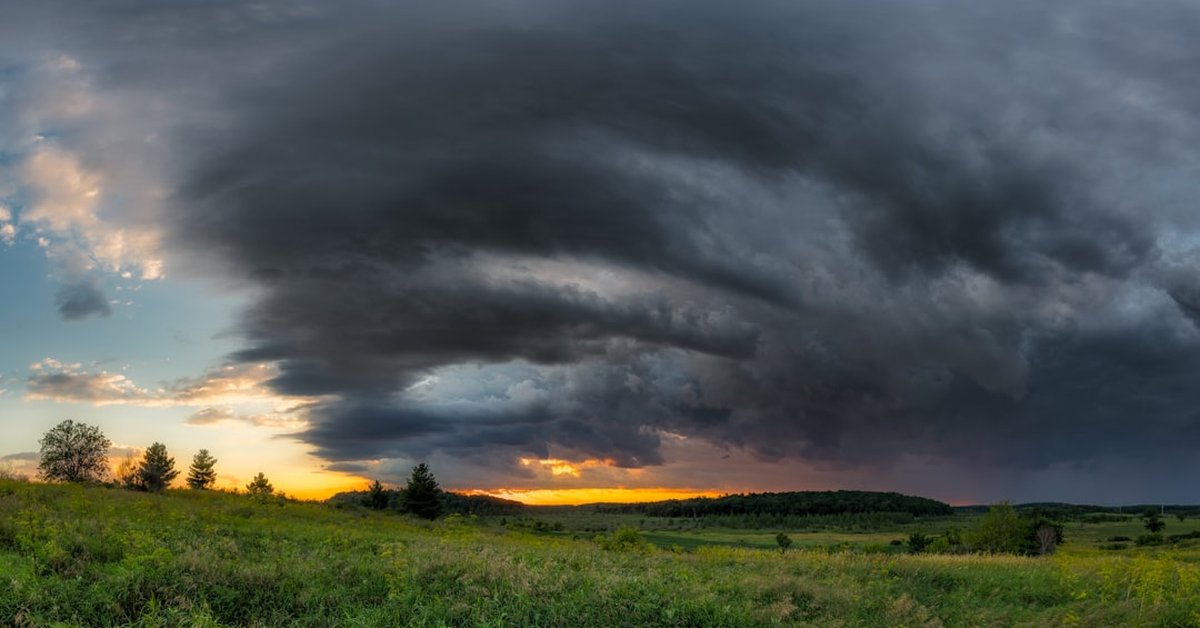
The UK forecast tonight? Mixed. Central and southern England have the best shot at clear spells, especially after midnight. Scotland and Northern Ireland? More clouds, some rain. The northwest is likely a bust. But here’s a pro tip: even through thin cloud, the Strawberry Moon is bright enough to punch through. You’ll still see it — just softer, more ghostly.
Find a spot with a clear view of the southeastern horizon. The moon rises around 21:30 BST on June 29, but it’ll be low and reddish at that point. By midnight, it’s higher and brighter. By 3 a.m., it’s near its peak altitude — that’s your sweet spot.
And if you’re in the U.S. or Canada? The timing shifts, but the show is the same. The June full moon peaks at 11:53 p.m. EDT on June 29. So you get a prime-time viewing window. No 4 a.m. alarm needed.
The Bigger Picture: What This Moon Tells Us
Look, it’s easy to dismiss a full moon as just pretty scenery. But the Strawberry Moon is a quiet benchmark. It marks the start of summer’s meteorological heart — the weeks when heat waves build, when France logged 1,000 excess deaths in July’s heat wave last year, when the atmosphere loads up with energy for severe storms. The moon doesn’t cause any of that. But its arrival in the summer sky is a seasonal signal — a reminder that the hottest, most volatile part of the year is here.
Dr. Marcus Thorne, a climate historian at Oxford, puts it this way: “Pre-industrial societies tracked the Strawberry Moon as a signal for planting and harvesting. Today, we might track it as a signal for preparedness — for heat, for drought, for the extremes that summer now brings more intensely.”
So tonight, look up. But also look around. The Strawberry Moon is a moment of beauty in a season that’s increasingly defined by intensity. It won’t fix anything. But it might remind you that the sky still follows rhythms older than our alarms and our weather alerts.
The moon will be full again next month — the Buck Moon, July 23. But there’s only one first full moon of summer. Don’t miss it.
Frequently Asked Questions
What time does the Strawberry Moon peak in the UK?
The Strawberry Moon peaks at 04:53 BST on Tuesday, June 30. However, it will appear full and bright throughout the night of June 29–30, so you don’t need to be awake at the exact peak time to enjoy it.
Does the Strawberry Moon actually look pink or red?
No — the name comes from the strawberry harvesting season, not the moon’s color. However, because the summer full moon sits lower in the sky, its light passes through more atmosphere, which can give it a warm amber or orange hue, especially when it’s near the horizon.
What’s the best way to see the Strawberry Moon?
Find a location with a clear view of the southeastern horizon. The moon rises around 9:30 p.m. BST on June 29, but the best viewing is after midnight when it’s higher in the sky. No special equipment is needed — just your eyes and a clear night.