






We’ve been thinking about bird evolution all wrong. It’s not about the brilliance of a peacock’s tail or the complexity of a nightingale’s song. It’s about sugar. A new study suggests that an ancient dietary shift toward fruit — packed with simple sugars — is what gave the male manakin the metabolic horsepower to perform its astonishing courtship backflip. And in a world where climate change is rewriting the rulebook for energy and survival, this tiny bird’s sugar habit is suddenly very relevant.
Let’s be clear: the manakin’s backflip is not a casual hop. It’s a rapid-fire, 360-degree aerial rotation that happens in milliseconds, accompanied by a mechanical whirr made by feather rattling. For decades, biologists have marveled at the display but struggled to explain how such a small bird — many weigh less than 20 grams — generates enough explosive power.
The Acrobat That Runs on Glucose
The answer, according to a paper published this month in Nature, lies in the bird’s remarkably efficient sugar-processing system. Researchers at the University of California, Berkeley, discovered that manakin muscles have an exceptionally high density of glucose transporters — proteins that pull sugar from the bloodstream into cells. That means when a male manakin plunges into its display, it’s essentially burning pure sugar at a rate that would cause a human athlete to crash in seconds.
“Manakins have evolved a sort of ‘supercharged’ metabolism that allows them to rely almost entirely on circulating glucose for short, extreme bursts,” said Dr. Elena Torres, an evolutionary biologist at UC Berkeley and lead author of the study. “Most birds use a mix of fats and sugars. Manakins went all-in on sugar.”
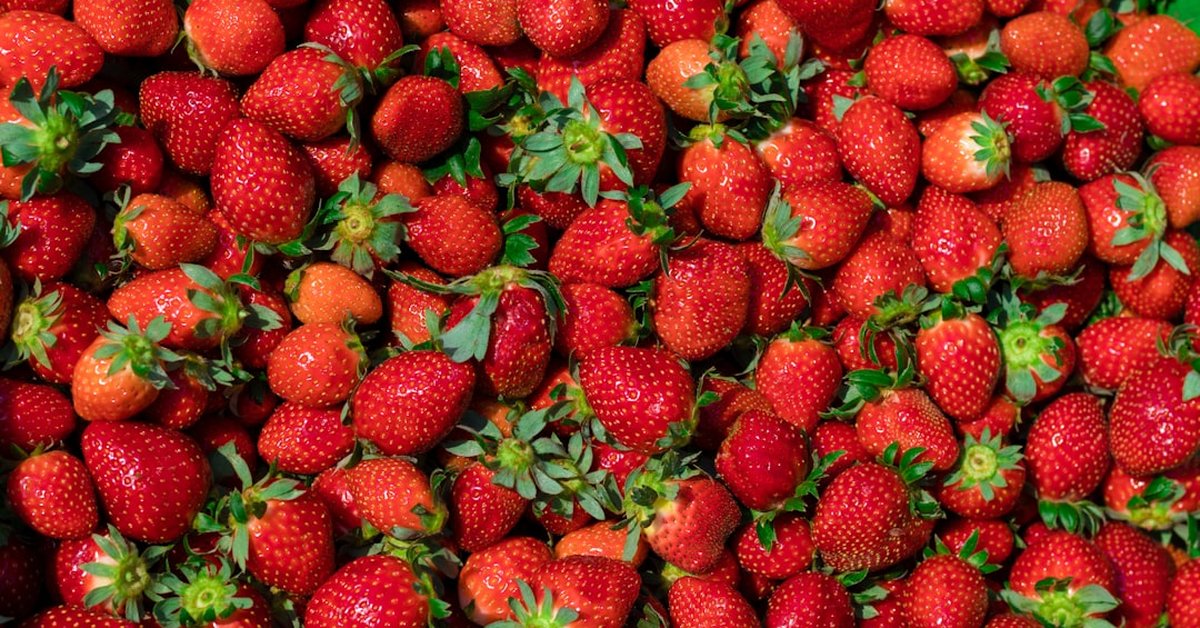
The shift probably began around 15 million years ago, when ancestral manakins moved from an insect-heavy diet to one dominated by ripe fruits. Fruits are loaded with simple sugars, and the birds that could process that sugar fastest gained a reproductive edge. Over time, their muscles rewired for speed.
A Sweet Evolutionary Shift — With Climate Implications
But here’s where it gets weird — and why this story belongs on a weather and climate site. The manakin’s sugar dependency makes it exquisitely sensitive to environmental changes that affect fruit availability. And those changes are accelerating. As record heatwaves scorch tropical forests, fruit ripening cycles are shifting. Droughts cause trees to drop fruit early or not at all. Even moderate temperature increases can reduce the sugar content of fruits, leaving manakins with less bang per berry.
“It’s a classic double bind,” said Dr. Mark Chen, an ecophysiologist at the University of Toronto who was not involved in the study. “The very trait that makes their display so spectacular — extreme sugar reliance — may become a liability if climate change disrupts the fruit supply. We’re already seeing range shifts in manakin populations in Costa Rica.”
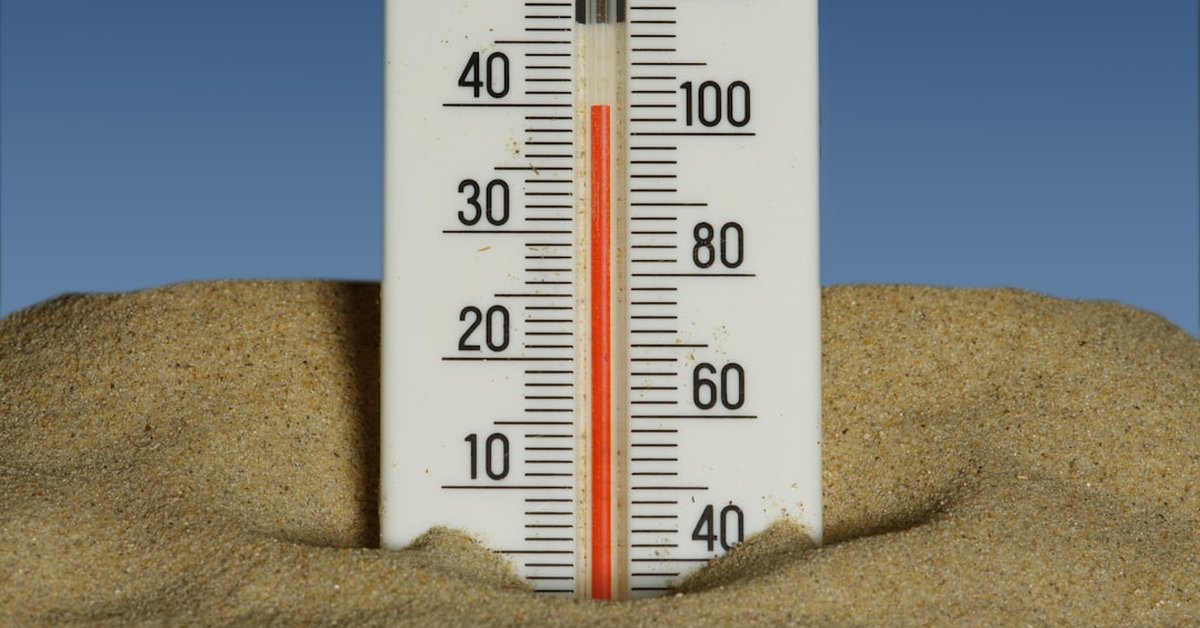
Chen points to evidence from the UK’s evolving heatwave patterns as a parallel: when extreme events become the new normal, species that evolved under stable conditions struggle. Manakins, like Britain’s infrastructure, were not built for 40°C summers.
How Sugar Supercharges a Backflip
The mechanics are worth unpacking. A male manakin’s flight muscles — the pectorals that drive its wings — contain about three times the concentration of GLUT4 glucose transporters found in comparable bird species. This allows the bird to flood its muscles with glucose in microseconds, producing a power output per gram of muscle that rivals the fastest insect wingbeats. In fact, the manakin’s display is so quick that high-speed video is needed to see it: the entire backflip — including a full rotation, a midair pause, and a landing on an adjacent perch — takes about 50 milliseconds.
For context, a human blink lasts 300 milliseconds. This bird is doing a backflip six times faster than you can blink. And it’s doing it on pure sugar.
“It’s one of the most extreme examples of metabolic specialization in any vertebrate,” said Dr. Torres. “The manakin’s body is basically a sugar-burning engine with wings.”
The study also found that the manakin’s liver is unusually small — because it doesn’t need to store much glycogen. Instead, the bird relies on continuous foraging throughout the day, maintaining high blood glucose levels. That’s risky: high blood sugar would be pathological in humans, but manakins have evolved insulin insensitivity in certain tissues, shunting glucose exclusively to the muscles.
The Bigger Picture: Energy in a Warming World
The manakin story is a potent reminder that evolution often works in narrow, fragile pathways. The same adaptation that allowed these birds to dazzle mates also ties them to a specific nutritional regime. As BBC Earth has documented, the backflip is a spectacle of nature — but it’s also a metabolic gamble.
For readers in the US, UK, and Canada, the implications go beyond tropical birds. The manakin’s sugar dependency mirrors our own growing reliance on high-energy foods in a changing climate. We worry about heatwaves and humidity because they affect our comfort and health. But for species like the manakin, a few degrees of warming could mean the difference between a successful mating season and local extinction.
“We tend to think of these flashy behaviors as timeless,” said Dr. Chen. “But they’re not. They’re the product of a very specific set of conditions that are now shifting underneath them.” The Smithsonian Magazine recently highlighted how the manakin’s acrobatics are already becoming rarer in parts of its range, possibly due to fruit shortages linked to drier conditions.
So the next time you see a video of a tiny bird doing a backflip, remember: that move was made possible by a billion years of evolution — and a whole lot of sugar. But in a rapidly warming world, the real question is whether manakins can adapt faster than their fruit supply disappears. If they can’t, the most dazzling backflip in the bird world may become a memory.
Frequently Asked Questions
A: Most birds lack the extremely high density of glucose transporters in their flight muscles that manakins have. Their metabolism is more balanced between fat and sugar, which is more sustainable for long flights but doesn’t allow for the explosive, milliseconds-long burst needed for the backflip. Evolution hasn’t pushed them in that direction.
A: Higher temperatures and altered rainfall patterns reduce fruit availability and lower the sugar content of fruits that do ripen. This directly impacts the manakin’s primary energy source. Shifts in fruiting seasons can also misalign with the manakin’s breeding season, leaving males without enough fuel for displays when they need it most.
A: Possibly, but it would take many generations of natural selection. Switching back to an insect diet would require a whole suite of physiological changes — including modifying glucose transporter density, altering gut enzymes, and even changing foraging behavior. Given the current pace of climate change, adaptation may not happen fast enough to prevent population declines.