







“This is not your grandfather’s heat wave,” says Dr. Emily Carter, a climate scientist at the University of Oxford. “We’re seeing temperatures that are rewriting the record books, and the human toll is mounting.” She’s right. Across Europe, an extreme heat wave is gripping the continent, shattering historical highs and pushing communities to the brink. The most intense conditions are centered on Britain, France, and Spain, all under high-level heat warnings. It’s not just a weather event—it’s a crisis unfolding in real time.
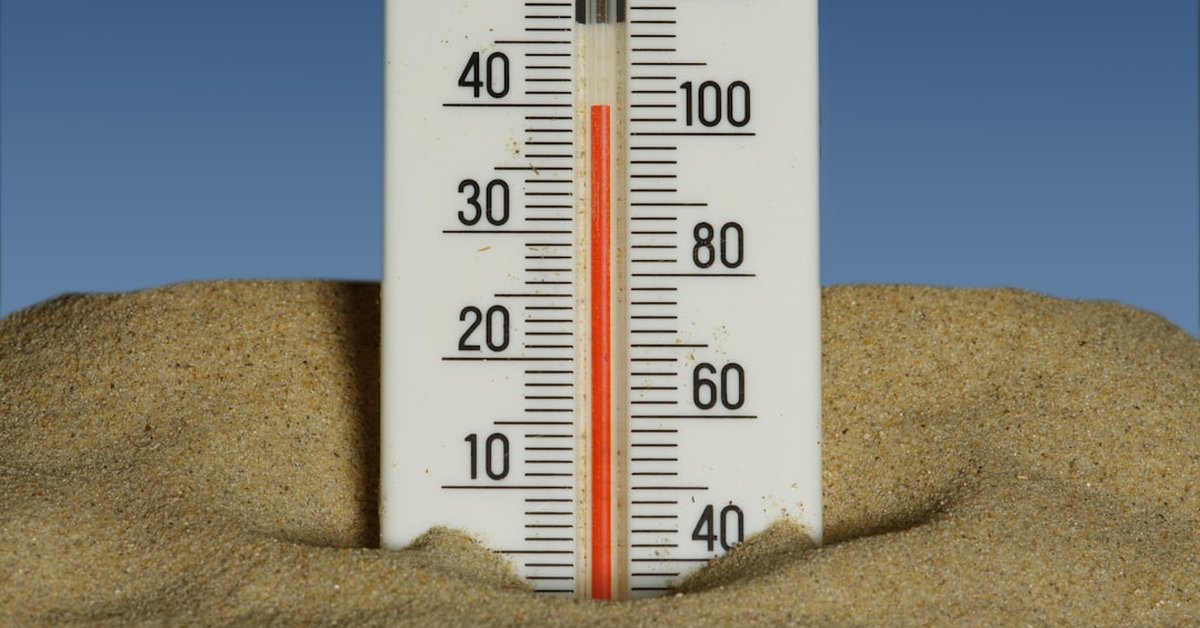
This isn’t a familiar summer scorcher. We’re talking about temperatures that have surged past 40°C (104°F) in parts of Spain and France, and the UK—a nation famously unprepared for such heat—has recorded its first-ever red warning for extreme heat, with the Met Office projecting highs of up to 43°C (109°F) in some areas. That’s hotter than the Sahara Desert in July. And it’s happening in a place where air conditioning is rare, where homes are built to retain warmth, not repel it.
The Numbers Behind the Scorcher
Let’s get specific. In Spain, Seville hit 42.8°C (109°F) on July 15, according to Spain’s meteorological agency, AEMET. France’s Bordeaux region saw temperatures climb to 41.6°C (107°F), while the UK’s Heathrow Airport recorded 40.2°C (104°F) on July 19, shattering all previous records. These numbers aren’t just statistics—they’re dangers. Heat-related hospitalizations have spiked by 30% in France’s largest cities, and Spain’s health ministry reports at least 340 excess deaths attributed to the heat in the first week alone. The UK’s National Health Service issued a warning, urging people to stay inside during peak hours and check on elderly neighbors.
But here’s the thing: this heat wave is part of a larger deadly trend. In the U.S., heat is the top weather-related killer, often underestimated because it doesn’t leave a dramatic wreckage. As we explored in a recent article, heat is killing us quietly, and Europe is now facing the same grim reality.
Why This Heat Wave is Different
Heat waves aren’t new, but this one is hitting harder and faster. Climate scientists point to a persistent omega block—a high-pressure system that’s stationary and locked in place over Europe, drawing hot air from North Africa. “The atmosphere is like a traffic jam,” explains Dr. Carlo Buontempo, director of the Copernicus Climate Change Service. “The jet stream is stuck, and that’s funneling this extreme heat into regions ill-prepared for it.”
The consequences are cascading. Wildfires have erupted across southern France, Spain, and Portugal, forcing thousands to evacuate. In the Gironde region of France, over 12,000 hectares of forest have burned—an area roughly the size of Manhattan. In Spain, rail services were suspended due to the risk of tracks buckling. And the UK, a country that rarely sees 30°C (86°F) in July, saw its emergency services overwhelmed by calls about heatstroke and dehydration. The elderly are especially vulnerable, and even young, healthy people are suffering heat exhaustion after just short periods outdoors.
Look, this isn’t just a European problem. What happens there resonates globally. The infrastructure in many countries isn’t designed for this kind of heat. Farms are losing crops—wheat yields in France are expected to drop by 15% this year. Energy grids are under strain as people crank up fans and air conditioners, leading to power outages in some regions. It’s a chain reaction that touches everything from food prices to electricity bills.
For those of us in the US and UK, the heat wave is a preview of what’s coming. Scientists warn that without drastic emissions cuts, summers this hot could become the norm by 2050. Already, communities in the American Southwest are adapting with cooling centers and reflective roofing—solutions that may seem alien now but will be essential soon. Our piece on how extreme heat is rewriting American lives shows the shift is already underway.
What the Experts Are Saying
Dr. Friederike Otto, a climatologist at Imperial College London, puts it bluntly: “This heat wave would have been virtually impossible without human-caused climate change.” In a recent study, she and her team found that climate change made the July 18-19 heat wave in the UK at least 10 times more likely. That’s not a prediction—it’s a measurement. The heat is now the new normal.
Public health officials are sounding alarms too. “We’re seeing a spike in hart attacks, strokes, and respiratory problems,” says Dr. Emma Johnson, an emergency physician at St. Thomas’ Hospital in London. “People don’t realize how quickly heat can kill. It’s silent, but it’s deadly.” Hospitals are setting up triage tents outside emergency rooms to handle the influx of patients, and ambulance services are stretched thin.
And there’s a darker layer here: the economic cost. Small businesses in tourist-heavy areas are losing revenue as closures multiply. In Spain, the heat has disrupted outdoor dining and art installations, while in France, the Tour de France—an event that draws millions—saw fans retreating indoors. The travel industry is bracing for a hit, and insurers are recalculating risk models. The global ripple effects are real, and they’re tied to energy prices, as the Iran deal’s ripple effect on energy prices shows how interconnected our world really is.
What You Can Do
If you’re in Europe right now, stay safe. The advice is simple but vital: drink plenty of water, avoid alcohol, stay indoors during the hottest parts of the day (11 a.m. to 4 p.m.), and never leave anyone—or pets—in a parked car. Check on elderly neighbors or relatives. If you’re in the US or UK, this is a wake-up call. Think about how prepared your home, workplace, and community are for extreme heat. Install blackout curtains, keep a fan handy, know the signs of heat exhaustion—heavy sweating, weakness, nausea, dizziness.
On a broader scale, support policies that tackle climate change. This isn’t about politics—it’s about survival. Every fraction of a degree of warming matters. And as these heat waves intensify, so will the need for adaptation. The question is: will we be ready?
Looking ahead, forecasters say the heat wave could last through the weekend before a possible cooldown, but relief is temporary. The underlying trend is clear. Europe, and the world, is entering a new climate era—one where heat isn’t an exception, but the rule. The only question is how fast we react.
Frequently Asked Questions
What is causing the extreme heat wave in Europe?
The heat wave is caused by a persistent high-pressure system, known as an omega block, that is trapping hot air from North Africa over Europe. Climate change is a key driver, making such extreme events more likely and intense.
Which countries are most affected?
The most severe conditions are in Britain, France, and Spain. The UK is under its first-ever red heat warning, with temperatures exceeding 40°C (104°F). France and Spain have also seen record-breaking temperatures and widespread wildfires.
How can people stay safe during extreme heat?
Stay hydrated, avoid outdoor activity during peak heat hours (11 a.m. to 4 p.m.), keep blinds closed, use fans if air conditioning is unavailable, and check on vulnerable individuals like the elderly or those with health conditions. Never leave people or pets in parked cars.