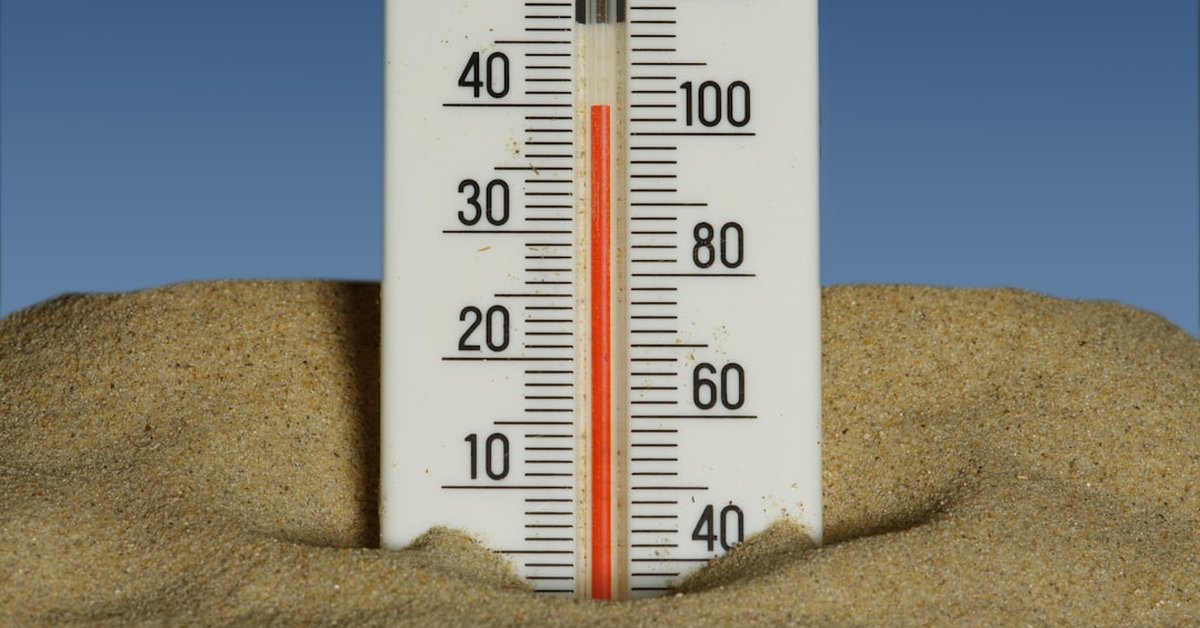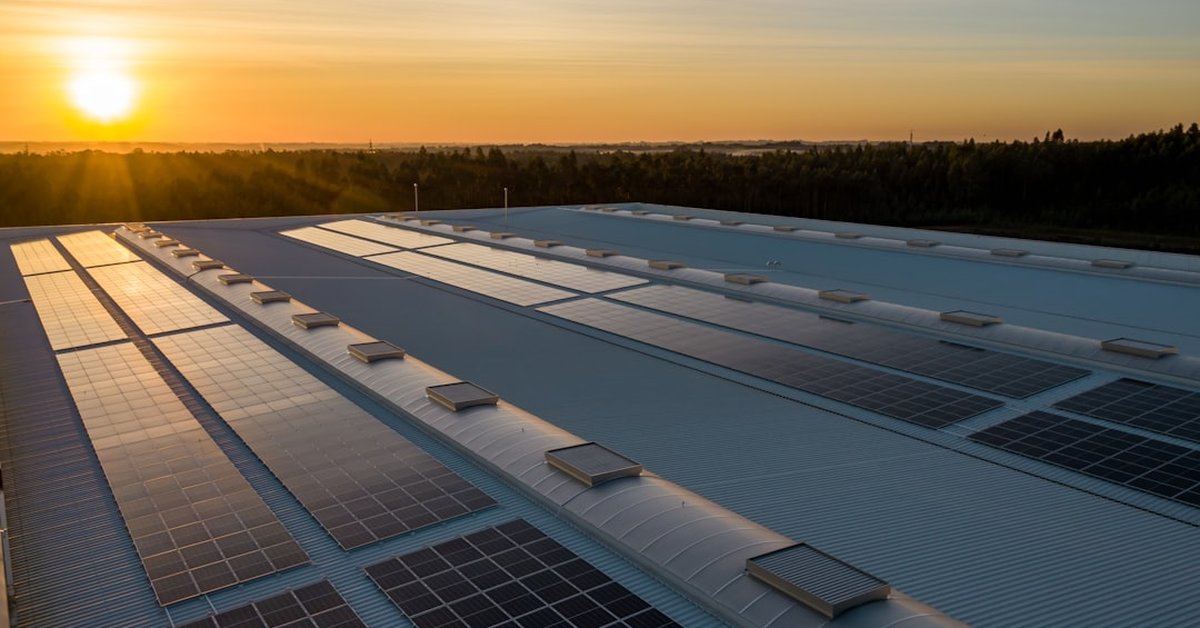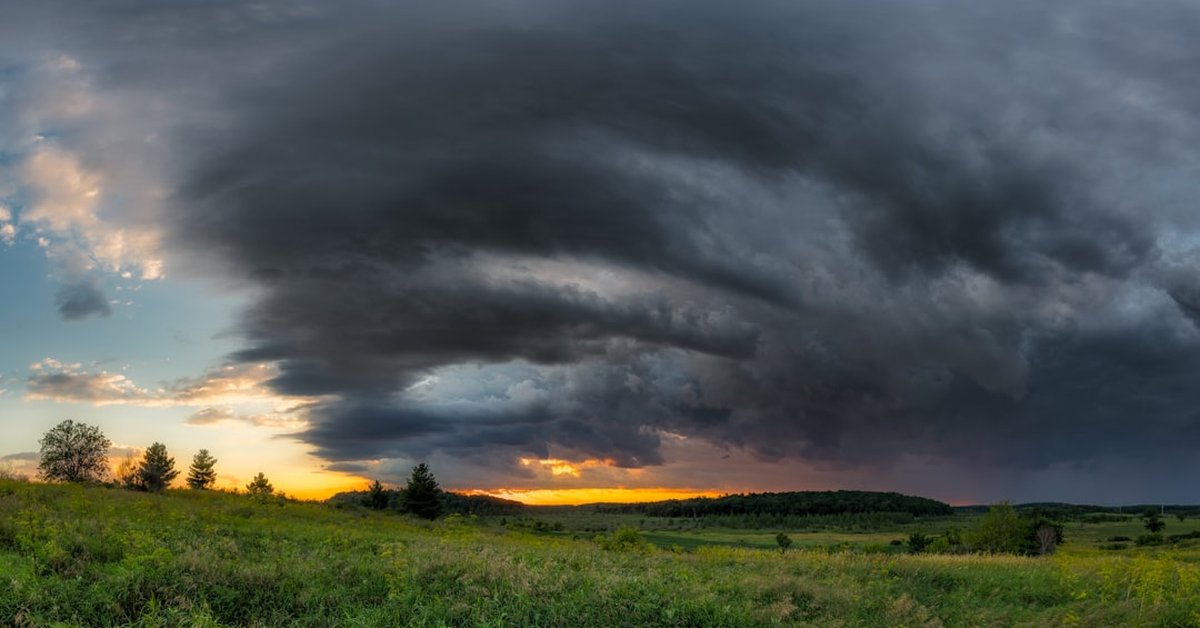






Let’s get one thing straight: excessive heat is now the deadliest natural disaster in the United States. Not hurricanes. Not tornadoes. Not floods. Heat kills more Americans every year than all of them combined — and we talk about it like a minor inconvenience. That’s a problem.
The National Weather Service’s 30-year average (1991-2020) shows heat claims roughly 200 lives annually, but that figure is almost certainly a dramatic undercount. A 2020 study in The Lancet pegged the true toll at closer to 5,600 per year in the U.S. alone. And this summer? It’s shaping up to rewrite the record books — again.
The Silent Killer: Heat’s Growing Toll
We’ve all felt it. That suffocating wall of air when you step outside. The way the sun turns pavement into a griddle. But the data behind those sensations is staggering. July 2023 was the hottest month ever recorded on Earth, according to NOAA. Phoenix baked through 31 consecutive days of 110°F (43°C) or higher. Miami hit a heat index of 110°F for a record 46 days. “The heat we’re seeing is not just a continuation of a trend,” says Dr. Kristie Ebi, Professor of Global Health at the University of Washington. “It’s an acceleration. We are moving into territory where human physiology hits hard limits.”
Look — heat kills in ways that aren’t always obvious. It triggers heart attacks, worsens kidney failure, and overwhelms the body’s cooling systems, especially for the elderly, outdoor workers, and people without air conditioning. The 1995 Chicago heatwave killed over 700 people in one week. The 2003 European heatwave killed 70,000. We know the playbook. We just aren’t following it.
This summer’s numbers are jarring. Emergency room visits for heat-related illness in Texas and the Southwest surged 300% above baseline. The CDC’s syndromic surveillance data showed spikes in hyperthermia deaths even in typically cool cities like Portland and Seattle, where air conditioning penetration is under 50%. That’s not a regional problem. It’s a national crisis.
Why This Summer Was Different — And What’s Coming
Every summer, someone says “this is the new normal.” They’re right, and wrong. Right because the baseline is shifting upward rapidly. Wrong because “normal” implies stability. What we’re seeing is a lurch — a series of compound extremes that scientists didn’t expect for another 20 years.
The culprit? A combination of a strong El Niño, persistent high-pressure “heat domes,” and a climate system that’s been pushed past its safe operating space. Dr. Andrew Dessler, climate scientist at Texas A&M University, puts it bluntly: “The probability of seeing a summer like this without climate change is essentially zero. We’ve loaded the dice. Every heatwave is now stronger and more likely to break records.”
“We have built our cities for a climate that no longer exists. And we’re paying the price in lives.” — Dr. Andrew Dessler, Texas A&M University
Consider this: the number of dangerous heat days (where the heat index exceeds 100°F) is projected to double across the eastern U.S. by mid-century under moderate emissions scenarios, according to the Fourth National Climate Assessment. For the South, it triples. That means cities like Atlanta, Nashville, and Washington D.C. could see 60-80 days per year of potentially lethal heat. And these aren’t just hot days — they’re back-to-back, with no relief overnight. Nighttime temperatures in many cities now rarely dip below 80°F, denying bodies the recovery they need.
The Infrastructure Gap: Cities Caught Off Guard
Here’s the uncomfortable truth: most American cities are built for a 20th-century climate. Dark asphalt absorbs heat. Concrete buildings radiate it back. The “urban heat island” effect makes downtown areas 5-10°F hotter than surrounding suburbs. And we keep paving.
Miami, Phoenix, and Los Angeles have started painting roofs white, planting shade trees, and opening cooling centers. But the scale is nowhere near what’s needed. In Chicago, where the 1995 disaster spurred reforms, a 2023 heat wave still pushed ERs to capacity. “We’ve made progress, but heat is moving faster than our adaptation. The gap between what we’re doing and what we need is widening,” says Dr. Ebi.
And it’s not just about shelter. Power grids falter under peak demand. In Texas, ERCOT asked residents to conserve energy during heatwaves to avoid blackouts — a dangerous ask when people need AC to survive. The Department of Energy warns that many transformers are aging and underrated for the new load patterns.
The most vulnerable pay the highest price. Low-income neighborhoods have fewer trees, less green space, and older buildings with poor insulation. A 2021 study in Environmental Health Perspectives found that historically redlined neighborhoods are on average 5°F hotter than adjacent white neighborhoods. That’s structural inequality baked into the concrete. (Literally.)
What Adaptation Looks Like — And Why It’s Not Enough
Adaptation isn’t impossible. We know what works: cool roofs, green infrastructure, expanded tree canopy, reflective pavements, and robust early warning systems. Some cities are leading. Los Angeles has coated 100 miles of streets with cool pavement. Melbourne, Australia, has planted more than 60,000 trees to shade public spaces. Even the humble cooling center, if properly located and staffed, saves lives.
But here’s the thing — adaptation has limits. When wet-bulb temperatures (a combo of heat and humidity) exceed 35°C (95°F), the human body can no longer cool itself, even in the shade with a fan. That threshold is already being breached in parts of South Asia and the Middle East and is creeping toward the U.S. Gulf Coast. No amount of white paint or AC will save you if the power fails during those conditions.
And adaptation doesn’t solve the root cause. “We can retrofit buildings and plant trees, but if we don’t aggressively cut emissions, we’ll eventually run out of runway,” warns Dessler. “We’re adapting to a moving target, and the target is accelerating.”
So what does this mean for the reader in Kansas City, or London, or Toronto? It means checking the heat index before planning outdoor activities. It means knowing your neighbors who might not have AC. It means demanding your city council invest in green infrastructure and emergency cooling plans — now, not after the next disaster.
Heat doesn’t make headlines like a tornado. It doesn’t leave dramatic wreckage. But it kills more people every year than any other weather phenomenon. And it’s getting worse, faster. We can either pretend this is just a bad summer, or we can treat it like what it is: the deadliest threat we’re still ignoring.
Frequently Asked Questions
Is heat really the deadliest weather disaster in the U.S.?
Yes. Based on 30-year averages, heat kills more people annually than hurricanes, tornadoes, floods, and lightning combined. Official figures undercount because deaths from pre-existing conditions exacerbated by heat (e.g., heart attacks) aren’t always classified as “heat-related.” Studies adjusting for this put the toll at several thousand per year.
Can we adapt to the extreme heat coming?
Partially. Measures like cool roofs, tree planting, and cooling centers can reduce heat exposure and save lives. However, adaptation has limits — especially at wet-bulb temperatures above 35°C (95°F), where human survival without artificial cooling becomes impossible. Adaptation must be paired with aggressive emissions reductions to prevent worst-case scenarios.
How does climate change affect heatwaves?
Climate change makes heatwaves more frequent, more intense, and longer-lasting. A warmer atmosphere can hold more moisture, increasing humidity — which makes heat more dangerous because sweat doesn’t evaporate efficiently. Attribution studies show that events like the 2023 Texas heatwave were made at least 5 times more likely by human-caused climate change.