





Patricia Gonzales didn’t mince words. She leaned against the counter of her small New Orleans hardware store, a box fan humming uselessly at her feet. “I hate the summer here,” she told me, wiping sweat from her forehead. “It didn’t used to be like this. Now it’s just relentless.”
She’s not wrong. Summer 2025 is shaping up to be one of the hottest on record across much of the United States, and the consequences are no longer just about uncomfortable afternoons. This heat is rewriting how we live, work, and stay healthy. It’s a slow-motion crisis that’s hitting everyday people hardest — and it’s only getting worse.
Look, I’ve covered weather for over a decade, from hurricanes to ice storms. But extreme heat is the quiet killer. It doesn’t rip roofs off homes or flood streets in dramatic footage. It just — lingers. And it’s changing everything.
When the Heat Becomes a Health Crisis
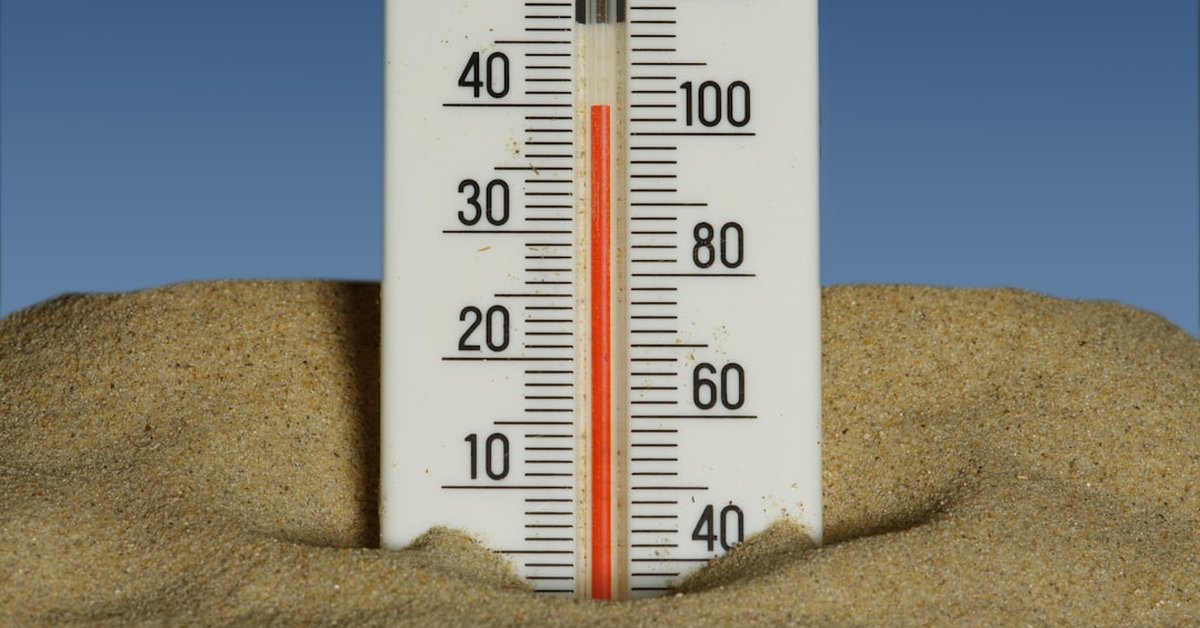
Emergency rooms across the Southwest are reporting a surge in heat-related illnesses. In Phoenix, where temperatures have topped 110°F for 18 consecutive days this July, hospitals are treating everything from heat exhaustion to severe burns from pavement. “We’re seeing cases we used to only see during heatwaves that lasted a day or two — now it’s every shift,” says Dr. Angela Reyes, an ER physician at Banner University Medical Center. “People don’t realize how fast it can turn deadly.”
And it’s not just the obvious cases. Heat exacerbates heart conditions, kidney disease, and mental illness. The CDC’s Climate and Health Program reports that heat-related deaths have risen by 60% in the past decade. The most vulnerable aren’t just the elderly, but outdoor workers, pregnant women, and low-income households without air conditioning.
But here’s the thing: many people don’t even know they’re at risk until it’s too late. Last week, a 34-year-old mail carrier collapsed in Austin, Texas. He survived, but just barely. His story is becoming uncomfortably common.
The Unseen Cost: Mental Health and Isolation
Summer used to mean barbecues, beach trips, and long, lazy evenings. Now, for millions of Americans, it means staying indoors from noon until 7 p.m. — or even longer. “We’re seeing a rise in what I call heat-induced social withdrawal,” explains Dr. Jennifer Vanos, a biometeorologist at Arizona State University. “People are canceling plans, avoiding outdoor activities, and feeling trapped in their homes. That takes a mental health toll that’s rarely discussed.”
She cites a study from 2023 that linked prolonged heat exposure to increased emergency room visits for anxiety and depression. Add in the stress of utility bills that spike during cooling season, and you’ve got a recipe for a summer that feels more like a siege than a vacation.
In Las Vegas, support groups are springing up — yes, for heat-related stress. One woman told me she no longer takes her dog for walks until after 9 p.m. “I feel like a vampire,” she said, laughing bitterly. “But what choice do I have?”
And that’s the part we don’t talk about enough: the loss of normalcy. Kids can’t play outside. The elderly become prisoners in their own apartments. Even the most resilient among us feel frayed.
Infrastructure Under Siege
Our roads, railways, and power grids weren’t built for this. In the Pacific Northwest, where last summer’s record-breaking heatwave buckled highways and melted cables, cities are scrambling to retrofit. “We’re playing catch-up,” says Michael Webber, an energy professor at the University of Texas at Austin. “Every new heat event reveals another vulnerability in our infrastructure.”
Take New York City: its subway system, already notorious for delays, now faces track deformities on days above 95°F. And the power grid? During a July heatwave in the Midwest, rolling blackouts hit parts of Illinois and Indiana after transformers failed. The NOAA National Centers for Environmental Information notes that heatwaves are the deadliest weather hazard in the U.S., yet we spend far less on heat-resilient infrastructure than on flood walls or fire breaks.
So what does this mean for you? Higher electricity bills, more frequent blackouts, and a growing sense that summer is something to survive, not enjoy. It’s the same story playing out in cities from Miami to Boise.
What Comes Next
Climate models suggest that by 2050, summers in the U.S. could be up to 8°F hotter than today — and last weeks longer. That means more of the same, unless we adapt. Some cities are already planting millions of trees, installing cool roofs, and opening public cooling centers. But these are band-aids on a bullet wound.
“We need to fundamentally redesign our cities for heat,” says Dr. Vanos. “That means more green space, reflective surfaces, and reliable, affordable cooling for everyone.”
For Patricia Gonzales, that change can’t come soon enough. She’s installed thicker curtains, bought a second fan, and now closes her shop from 2 to 4 p.m. on the hottest days. “It’s not a solution,” she says. “It’s just getting by.”
But getting by isn’t living. And that’s the quiet tragedy of our warming world: summer — once a season of joy — has become something many of us dread. Something we’re forced to hate.
Frequently Asked Questions
Q: How can I stay safe during extreme heat?
A: Stay hydrated, avoid outdoor exertion between 10 a.m. and 4 p.m., and check on elderly neighbors. If you don’t have AC, spend time in air-conditioned public spaces like libraries or malls. Never leave children or pets in parked cars even for a minute.
Q: Is climate change causing these hotter summers?
A: Yes. While heatwaves have always occurred, climate change makes them more frequent, more intense, and longer-lasting. According to the IPCC’s Sixth Assessment Report, human activity has unequivocally warmed the atmosphere, increasing the likelihood of extreme heat events.
Q: What are cities doing to adapt?
A: Many are implementing heat action plans — planting shade trees, painting roofs white, installing cool pavements, and opening emergency cooling centers. For example, Miami-Dade County appointed the world’s first Chief Heat Officer in 2021. But experts say much more investment is needed to protect vulnerable populations.