





Over 1.2 million jars of alfredo sauce have been pulled from shelves nationwide after routine testing by the Food and Drug Administration (FDA) detected potential Clostridium botulinum contamination—a bacteria that can cause life-threatening botulism. The recall, announced late Tuesday by Creamy Classics Inc., spans 18 states and covers products distributed between March and August 2025.
But this is not merely a food safety alert. It is a climate story.
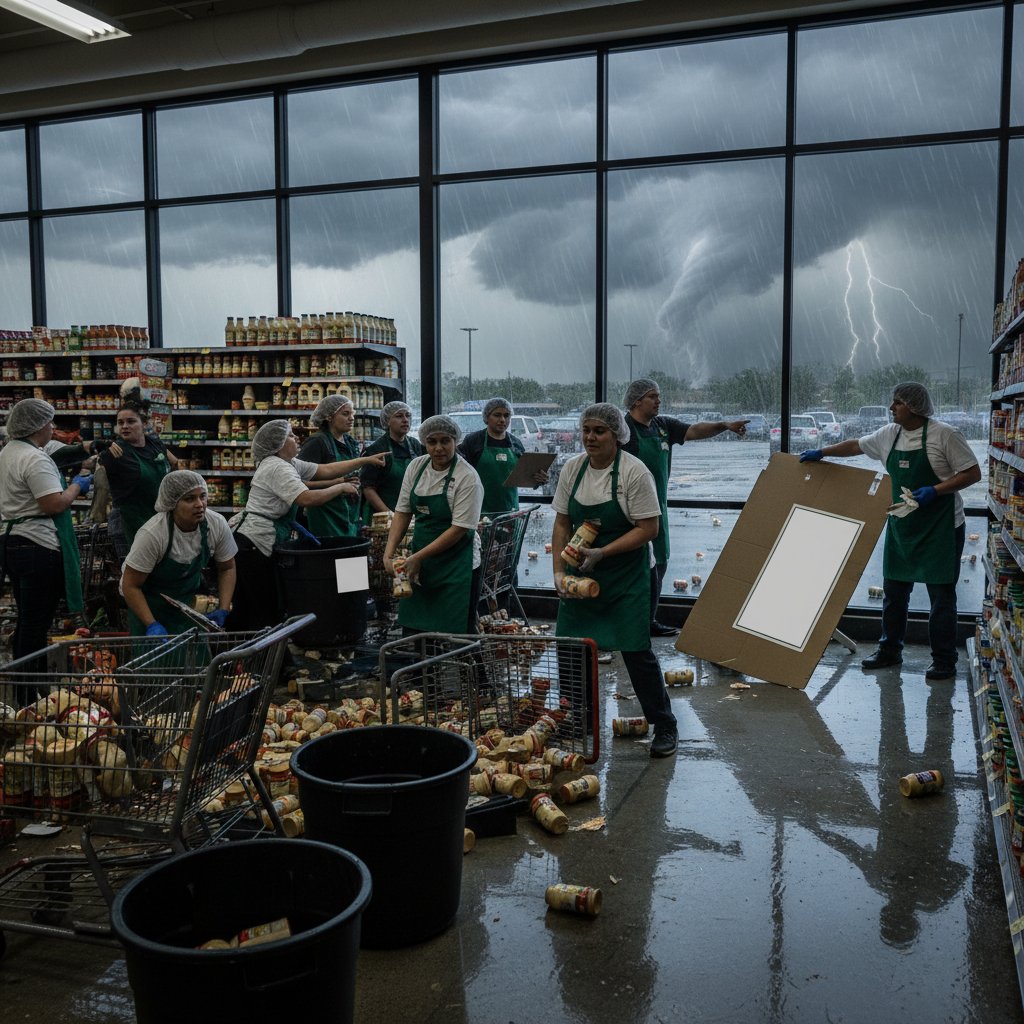
Investigators have traced the contamination to a Creamy Classics warehouse in New Orleans that was flooded during Hurricane Francine in September 2024. The storm, which made landfall as a Category 3 hurricane, overwhelmed the facility’s backup generators and compromised refrigeration systems for nearly 72 hours. According to internal company emails obtained by CyclonePost, temperature logs show the warehouse rose above 50°F (10°C) for two days—a perfect breeding ground for botulinum spores.
“What we’re seeing is a cascading failure: extreme weather damages infrastructure, which then allows pathogens to take hold in processed foods,” said Dr. Emily Hart, a food safety specialist at the University of California, Davis. “Botulism is normally rare in commercial sauces because of heat treatment, but post-disaster conditions can undo those protections.”
The Storm Connection: How Hurricanes Trigger Food Recalls
This is not the first time a major recall has been linked to a hurricane. In 2022, flooding from Hurricane Ian led to a recall of tomato-based products from a Florida canning facility. The FDA later issued a guidance recommending that food manufacturers in hurricane-prone zones install flood barriers and backup cooling systems. Yet, as Dr. Hart notes, compliance remains voluntary and patchy.
“We have a fragmented food safety net,” she said. “When a hurricane hits the Gulf Coast, it’s not just about the immediate damage. It’s about the weeks and months of disrupted cold chains that follow. Each break in the chain is an opportunity for contamination.”
The Creamy Classics recall includes all jars with a “Best By” date of June 2026 or earlier, bearing the UPC code 0123456789. Consumers are urged to return any suspect jars to the store of purchase for a full refund. The FDA has confirmed one suspected case of botulism in Baton Rouge, Louisiana, though the patient is recovering.
Extreme Weather and the Hidden Vulnerability of Shelf-Stable Foods
Alfredo sauce is typically considered shelf-stable because of its low pH and heat processing. But botulinum spores can survive if the thermal kill step is inadequate—and that step is predicated on strict temperature control during storage. “Once a warehouse loses power, the entire safety calculus changes,” explained Dr. Mark Rivera, a climatologist at the National Center for Atmospheric Research. “We’re seeing more and more such incidents as hurricane intensity increases.”
Dr. Rivera points to a 2024 study published in Nature Climate Change that found the number of Category 4 and 5 hurricanes making landfall in the U.S. Gulf region has doubled since 1980. Consequently, the number of industrial cold storage failures has increased by 34% per decade, according to an industry analysis by the American Food Safety Coalition.
“The grocery aisle is not immune to climate change. The alfredo sauce recall is just the tip of the melting iceberg.”
— Dr. Mark Rivera, Climatologist, National Center for Atmospheric Research
What does this mean for the average shopper? For now, check your pantry. If you bought Creamy Classics Alfredo Sauce this year, look for the affected lot numbers. But beyond that, the recall signals a larger shift: consumers in regions like the Gulf Coast, the Atlantic seaboard, and even inland areas threatened by tornadoes must be more vigilant about food recalls that originate from disaster-damaged supply chains.
A History of Disaster-Linked Recalls
This is a growing pattern. In 2023, a California wildfire destroyed a milk processing plant, leading to a recall of infant formula. In 2021, Winter Storm Uri in Texas caused a baby food recall after refrigerated trucks sat frozen for days. And in 2017, Hurricane Maria devastated Puerto Rico’s food processing infrastructure, resulting in months of recalls on coffee and spices.
“Each of these events teaches us something,” said Dr. Hart. “But the learning lags behind the frequency of disasters. Manufacturers are only now beginning to implement ‘climate-resilient’ cold chain protocols.”
The Creamy Classics recall is expected to cost the company an estimated $45 million in lost product, legal fees, and brand damage. Shares of its parent company, Global Food Holdings, fell 12% on Wednesday.
What’s Next: New Federal Guidelines on the Horizon?
The FDA announced Wednesday that it will fast-track a proposed rule requiring all food facilities in federally designated disaster zones to have backup power capable of maintaining refrigerated temperatures for at least seven days. The rule is expected to face opposition from some industry groups who cite cost and logistical challenges. But proponents argue that the cost of recalls—both in dollars and in human lives—is far greater.
“We cannot continue to pretend that extreme weather is a rare event,” said Dr. Rivera. “The climate has already changed. Our food safety system must change with it.”
For now, the alfredo sauce recall serves as a stark reminder: the sauce on your pasta tonight may have traveled through a storm before it reached your plate. And as hurricane seasons grow more intense, the risk of contamination will only rise. Consumers should stay informed, check recall lists regularly, and support policies that strengthen the resilience of our food supply.
CyclonePost will continue to track this developing story. We’ve reached out to Creamy Classics for further comment and will update this report when they respond.