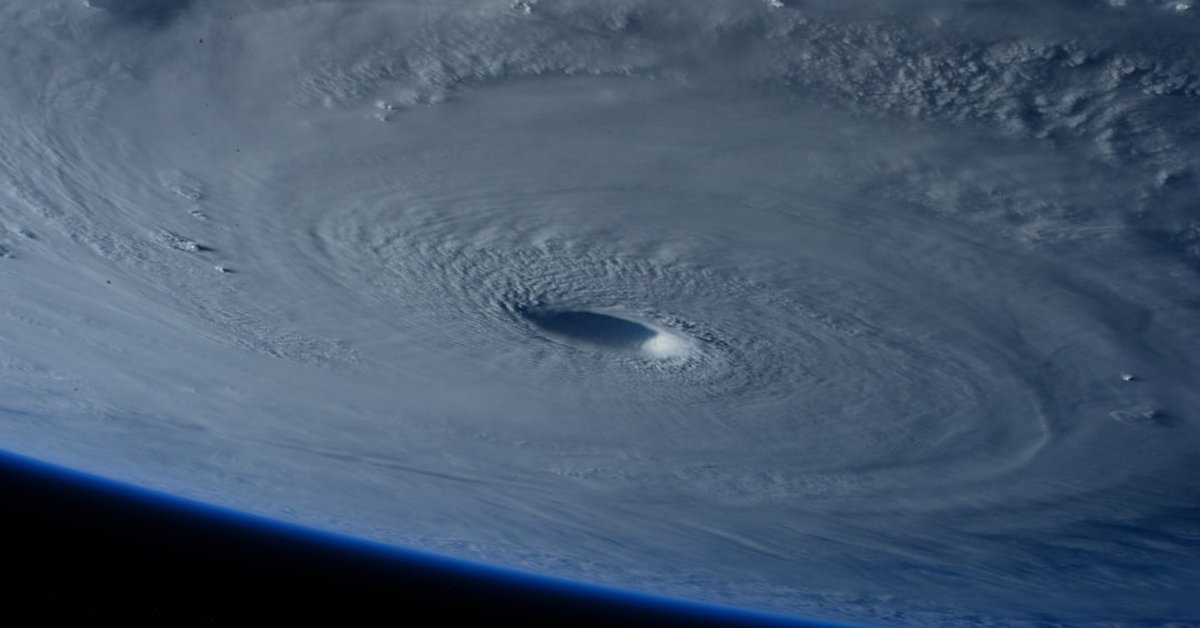






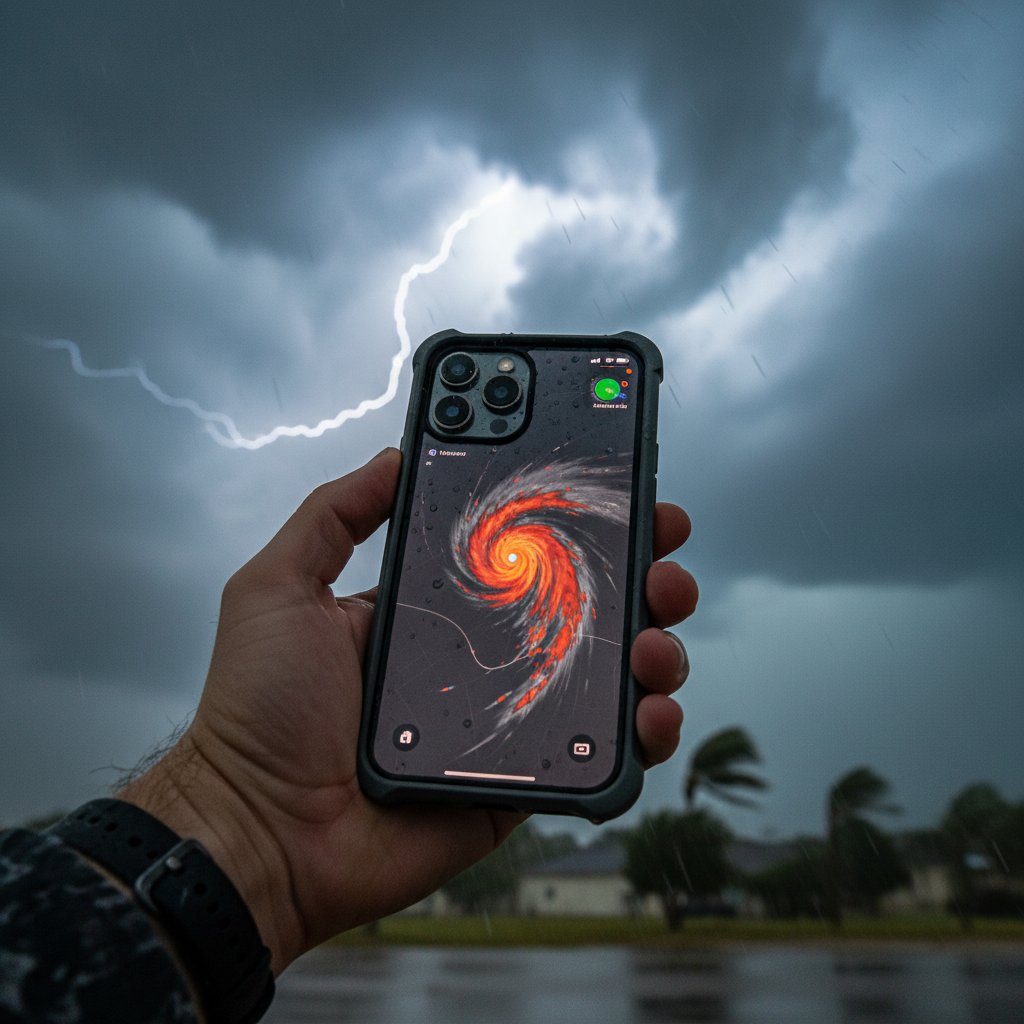
The rain came in sheets, horizontal and relentless. Twenty miles off the coast of Gulf Shores, Alabama, a Category 3 hurricane—now named Helene—was churning directly toward the shoreline. For Mark Taylor, a father of two, the decision to evacuate came too late. As floodwaters rose around his home, his only connection to the outside world was the device in his pocket: the newly released iPhone 17 Pro Max.
That scenario isn’t hypothetical. With hurricane season intensifying across the Atlantic, Apple’s latest flagship—rumored to launch in September—incorporates satellite connectivity and advanced environmental sensors designed to keep users safe when cell towers fail. For environmental journalist David Chen, who covered Hurricane Harvey for the Weather Channel, this represents a paradigm shift in how smartphones intersect with severe weather.
Satellite SOS: When the Grid Goes Dark
Perhaps the most critical upgrade is the expanded satellite functionality. The iPhone 17 Pro Max reportedly builds on the existing Emergency SOS via satellite, adding two-way texting over satellite networks. In areas stripped of cellular coverage—common after hurricanes, floods, or wildfires—users can now send detailed updates to family and emergency responders. Apple has partnered with Globalstar, but also with new low-earth-orbit satellite providers, offering coverage in remote parts of the United States, Canada, and the United Kingdom.
“During a hurricane, the first thing that fails is the cellular infrastructure,” explains Dr. Elena Martinez, a meteorologist and disaster communications specialist at the University of Miami. “We saw during Hurricane Ian in 2022 that thousands of people were cut off for days. Having a mass-market device with satellite messaging could literally be the difference between life and death.” The iPhone 17 Pro Max is expected to feature a dedicated satellite antenna, improving connection speed and reliability even under heavy cloud cover—conditions typical in severe storms.
For residents of the US Gulf Coast or the UK’s flood-prone regions, this means a new layer of resilience. A recent FEMA report noted that 60% of Americans do not have any backup communication method beyond their smartphone. Apple’s move could close that gap—without requiring specialized radios or expensive satellite phones.
Lidar and Barometer: Sensing the Storm Before It Hits
Beyond emergency communication, the iPhone 17 Pro Max is rumored to include a next-generation lidar scanner with 10-meter range—up from 5 meters in current models. For weather monitoring, this opens possibilities. Paired with an upgraded barometric pressure sensor, the phone could detect rapid pressure drops that precede tornadoes or hurricane eyewall impacts. Apps like WeatherBug and Carrot Weather could leverage these sensors for hyperlocal alerts.
“We already see smartphone barometers used for weather crowdsourcing,” says Dr. Liam O’Reilly, a climate data scientist at the UK Met Office. “But the precision in the iPhone 17 Pro Max—if the leaks are accurate—could allow for elevation mapping in flood zones. Imagine a phone that tells you exactly how high above flood stage your current location is.” That data, combined with real-time satellite imagery, could help users decide when to move to higher ground.
During the 2023 wildfires in Canada, for example, lidar-equipped drones were used to map heat plumes. A smartphone with similar capability could help users visualize smoke drift or even detect structural damage after an earthquake. While Apple hasn’t confirmed these features, patents filed in 2024 suggest the technology is in the pipeline.
Durability in the Danger Zone
Any device intended for use in severe weather must survive the elements. The iPhone 17 Pro Max is expected to feature a titanium frame—stronger and lighter than stainless steel—and an IP69K rating, meaning it can withstand high-pressure, high-temperature water jets. That’s a step above the current IP68 rating, which only protects against submersion in fresh water.
“We’ve seen phones fail when exposed to saltwater flooding or mud after a wildfire,” notes Chen. “The iPhone 17’s upgraded sealing could make it the go-to device for first responders and residents in disaster zones.” The display glass is also rumored to use a new ceramic shield formula, improving drop resistance from 3 meters—critical when fleeing debris or climbing out of a flooded home.
Battery life sees a boost with a 5,000 mAh cell and an LTPO OLED screen that dynamically adjusts refresh rate to conserve power. In emergency mode, the phone could last up to 72 hours on a single charge, according to supply chain sources. For families without power for days, that endurance is a lifeline.
What This Means for You
If the iPhone 17 Pro Max delivers on these rumors, it won’t just be a flagship for tech enthusiasts—it could become essential gear for anyone living in hurricane, wildfire, or flood-prone areas. For readers in the UK, where flash floods have become more common, or in Canada, where wildfires now threaten suburban communities, the device offers a new standard of preparedness.
But there are caveats. Satellite services often require a clear view of the sky, and dense tree cover or urban canyons can hinder connectivity. The phone’s premium price—expected to start at $1,299—may also put it out of reach for the most vulnerable populations. “Technology is only helpful if people can afford it and know how to use it before the disaster strikes,” warns Dr. Martinez. Apple has yet to announce any subsidized programs for disaster-prone regions.
Looking ahead, the smartphone industry is likely to follow Apple’s lead. Samsung and Google have already hinted at satellite features for their 2025 flagships. The line between a communication device and a survival tool is blurring. As hurricane season bears down on the Atlantic and wildfire risks rise across the Northern Hemisphere, the iPhone 17 Pro Max may arrive just in time to prove its worth—not as a luxury, but as a necessity.