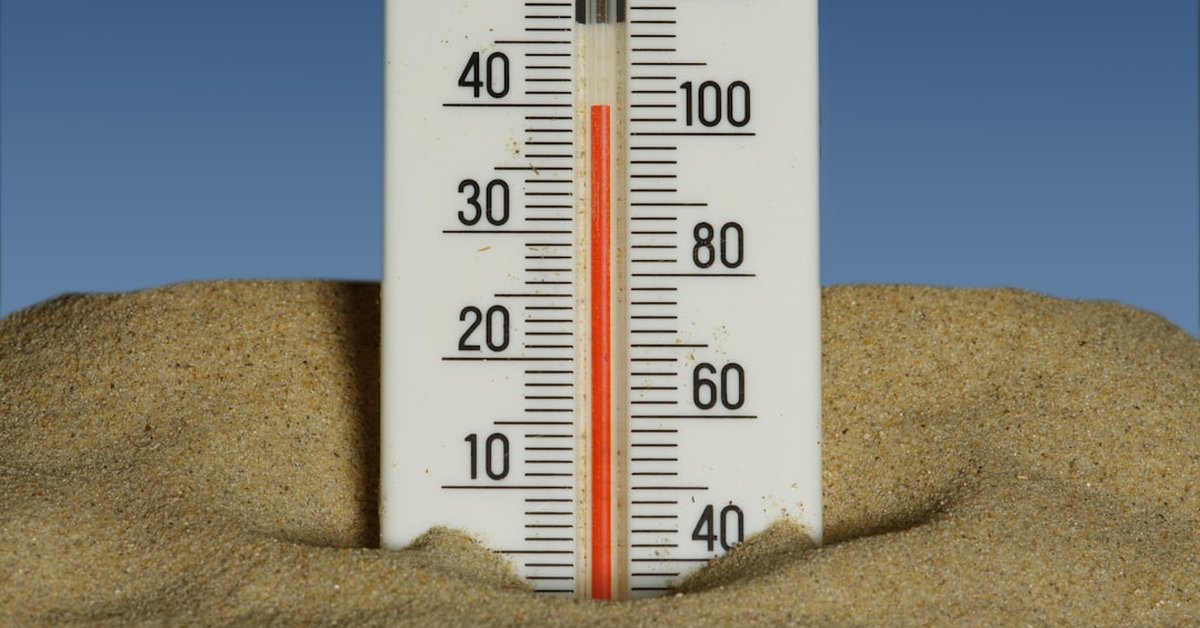








‘This is not just a weather event; it’s a glimpse into our future under a warming climate.’ – Dr. Emily Stanton, Climatologist, University of Reading
The graph is stark, almost shocking. For decades, maximum May temperatures at Heathrow Airport hovered in a familiar range, a gentle climb from the 1940s to the present. Then came last week. A solitary red spike juts from the data, a heatwave so intense it dwarfs everything in the 77-year record. We’re talking about a May day where the mercury hit 32.2°C (90°F), a number that belongs to July, not the gentle spring month. This isn’t just an anomaly; it’s a signal.
The Numbers Don’t Lie: A Record-Shattering Event
To put this in perspective, consider the long-term average. Since 1946, the average maximum temperature for May at Heathrow has been a modest 17.8°C (64°F). The previous record, set in 2017, was 28.9°C (84°F). Last week’s peak of 32.2°C didn’t just break the record; it obliterated it by over 3°C. That’s the equivalent of a marathon runner smashing the world record by ten minutes. The heat built rapidly, driven by a high-pressure system over Scandinavia that funneled hot air from North Africa across Europe. For three consecutive days, temperatures exceeded 30°C, turning London’s usually temperate spring into a preview of a subtropical summer.
This is not an isolated incident. Across the UK, May 2024 is shaping up to be the warmest on record for several regions. The Met Office has already confirmed that the first two weeks of May saw temperatures 4–5°C above average in many areas. But it’s the intensity at Heathrow, a major global hub, that has captured headlines. The airport, known more for delays and departure boards than climate extremes, became an impromptu weather station for a planet in flux. The data, compiled by amateur weather historian Simon Brown and shared widely on social media, shows a clear, unmistakable trend: the past decade has produced five of the top ten hottest Mays at Heathrow. The outliers are becoming the norm.
Human Impact: More Than Just Sweat
Behind the numbers are real people coping with an environment that feels increasingly hostile. For Londoners, the heatwave wasn’t a beach day; it was a trial. On the hottest day, the London Ambulance Service reported a 40% surge in calls related to heat exhaustion and dehydration. Schools sent children home early as classrooms turned into greenhouses. Construction workers on sites near the airport downed tools by noon, their health at risk. ‘It’s not just uncomfortable; it’s dangerous,’ says Dr. James Atherton, a public health specialist at Imperial College London. ‘Our infrastructure—our homes, our transport, our hospitals—was built for a different climate. These events expose those vulnerabilities.’
The economic toll is equally stark. Rail operators imposed speed restrictions to prevent tracks from buckling, causing delays across the network. The National Grid, bracing for a surge in air conditioning use—still a rarity in many British homes—issued a warning about capacity. Heathrow itself saw flight operations largely unaffected, but the heat forced airlines to reduce cargo loads on certain aircraft, as hot air reduces lift. The price of a summer holiday, it seems, is now measured not just in pounds but in resilience.
But perhaps the most poignant impact is on the vulnerable. Elderly residents in tower blocks with no air conditioning, like those in the nearby borough of Hounslow, faced a grim choice: open windows to a cacophony of aircraft noise or swelter in silence. ‘I’ve lived here for 30 years,’ says Margaret O’Brien, 78, a retired teacher. ‘May used to be lovely—cool enough for a light jacket. Now, it’s like living in an oven. I’m scared for what August might bring.’
The Climate Context: A Trend, Not a Blip
This is where the graph tells a deeper story. The long-term data from Heathrow reveals a clear warming trend, not just for May but for every month. Since the 1960s, average temperatures at the airport have risen by approximately 1.5°C, a pace that mirrors global warming. The May heatwave is consistent with climate model projections that suggest the UK will experience more frequent, more intense, and longer-lasting heatwaves, especially in spring and autumn. In fact, a recent study by the Met Office found that the likelihood of a May day exceeding 30°C in southeast England has increased by a factor of five since the 1990s, largely due to human-caused climate change.
‘The fingerprint of climate change is all over this event,’ says Dr. Stanton. ‘When you see a record that’s not just broken but smashed, it’s a statistical signature of a warming world. Natural variability can explain some of it, but the magnitude and frequency of these extremes point to a clear attribution to greenhouse gas emissions.’ The data from Heathrow is a microcosm of a global crisis, a local anomaly that reflects a planetary shift. For readers in the US and Canada, the comparison is sobering: what we’re seeing in London is a preview of more extreme heat events everywhere.
What This Means for You: Preparing for a Hotter World
For the average traveler, a May heatwave at Heathrow might mean a sweaty layover or a delayed flight. But the implications run deeper. This event is a harbinger of what summer 2024 could bring across the Northern Hemisphere. The same weather patterns that baked the UK are now moving toward North America, raising concerns about an early start to wildfire season in Canada and heatwave warnings in the US Northeast. The message is clear: the climate we grew up with is gone, and our systems need to adapt.
This means updating building codes to require passive cooling, investing in green infrastructure like urban parks and reflective roofs, and expanding early warning systems for heat. It also means rethinking travel. Airlines, already grappling with fuel costs and carbon taxes, will face new challenges from heat-related disruptions. For passengers, it’s a reminder to check not just flight times but weather forecasts, and to pack for extremes, even in spring.
As we look ahead, the graph from Heathrow will likely become a recurring feature in climate reports. Next year, or the year after, another red spike may appear, higher still. The question is not whether these events will continue but whether we will act on the warnings they provide. For now, the memory of that exceptional May week lingers, a heat-soaked lesson in the new normal.