





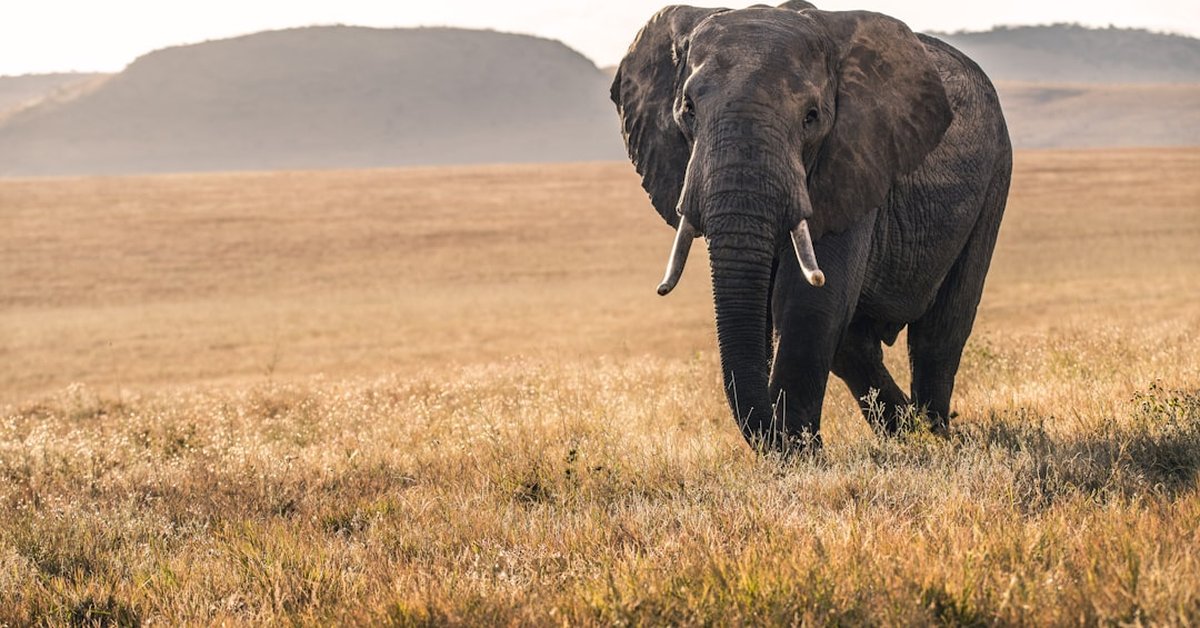
Fourteen elephants lie dead in a remote patch of southern Kenya. Not from poachers’ bullets. Not from a drought-induced starvation. The cause remains unknown, and it’s the highest number of elephant deaths recorded in this area in decades. Conservationists are scrambling, and the government has launched an urgent inquiry. But the clock is ticking — and the silence from the bush is deafening.
The carcasses were spotted by a routine aerial patrol over the Kimana Conservancy, a wildlife corridor that connects Amboseli National Park to Mount Kilimanjaro. Rangers on the ground found the bodies scattered across a 10-kilometer stretch. Some were adults, some juveniles. There were no visible wounds. No signs of struggle. Just massive bodies slowly sinking into the dry earth.
Kenya Wildlife Service (KWS) officials say they’ve collected tissue samples for toxicology tests. But the results could take weeks. And in the meantime, the region holds its breath.
The Discovery: A Scene of Silence
It was a giraffe that first caught the pilot’s eye. Circling lower, he saw what he initially thought were large boulders. Then the shapes took form. Elephants. Dozens of them. But none were moving.
„This is deeply concerning,” said a KWS spokesperson in a statement. „We are treating this as a high-priority investigation. The ecosystem here is fragile, and the loss of this many elephants in such a short period is unprecedented.”
Local communities depend on the conservancy for tourism revenue and water. The elephants are a keystone species — they clear paths for other animals, disperse seeds, and even dig waterholes that sustain everything from zebras to birds. When they vanish, the whole web frays.
Think about that. Fourteen elephants. That’s not just a number. It’s a matriarch’s lineage. It’s a generation of calves who won’t learn migration routes. It’s a dent in the population that could take years to recover.
What Could Be Killing Them?
Investigators are zeroing in on three possibilities, and none of them are easy to swallow.
Poisoning. Electrocution from power lines is a known killer in parts of Kenya, but there were no burns or broken poles. Cyanide poisoning from farmers protecting crops? Drought has pushed elephants into human settlements, and conflict is rising. But the deaths occurred in the conservancy, not near farms. Still, cyanide is fast-acting and can wipe out a herd.
Disease. Anthrax can kill elephants, and it’s endemic in parts of East Africa. But anthrax usually leaves telltale signs — bloody discharge, bloating. Rangers reported none of that. Another possibility: a bacterial infection like Pasteurella multocida, which has caused mass die-offs in other species. But without lab results, it’s all speculation.
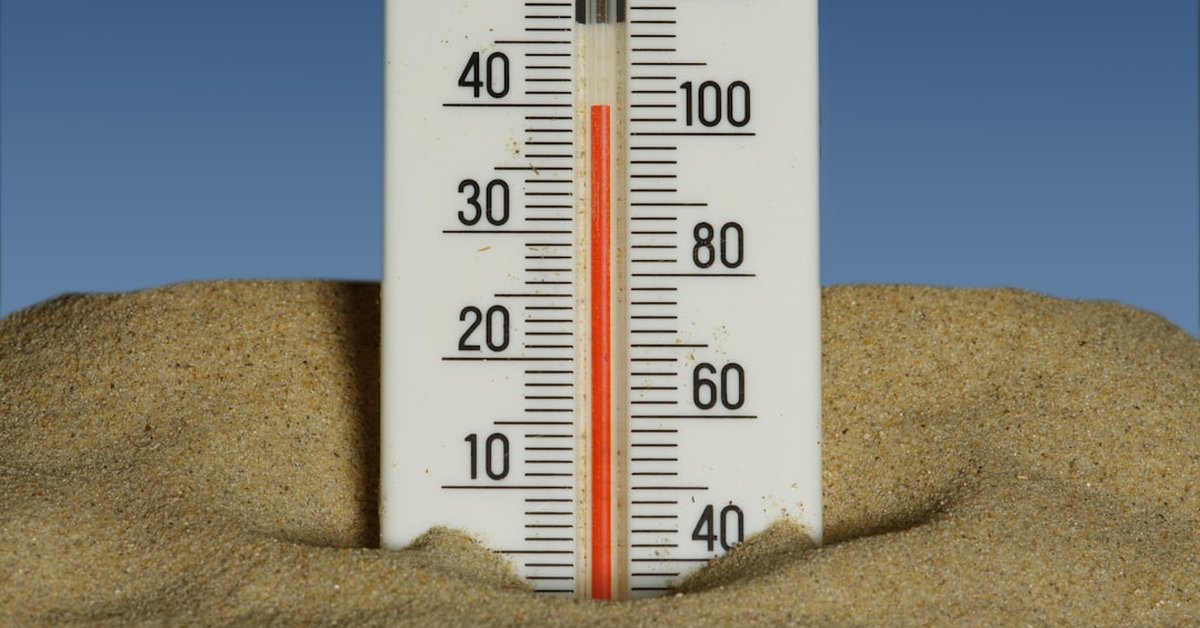
Drought and heat stress. Southern Kenya is in the grip of a severe drought — the worst in 40 years, according to the United Nations. Waterholes are shrinking. Elephants need to drink 200 liters a day. If they can’t find water, they weaken. But 14 at once? That’s not typical. Usually, drought culls the young and old gradually. This was sudden.
“We are dealing with a puzzle,” said a conservation officer from the Amboseli Trust for Elephants, who asked not to be named because they are not authorized to speak to the press. “It could be a combination of factors. But we need to rule out the worst first.”
And the worst? A deliberate poisoning by someone who wanted the elephants dead. That’s a crime scene, not a natural disaster.
The Human Toll
Behind every dead elephant is a story. And a family. Not just the elephant family — the human one.
Joseph kei, a Maasai elder who lives near the conservancy, told me once that elephants are “our brothers from another mother.” They share water, they share the land. Maasai boys herd cattle, and elephants walk alongside. When an elephant dies, the community feels it.
„We are worried,” Joseph said. “If the elephants go, then the tourists will stop coming. And then how will we pay for school fees?”
Tourism accounts for over 10% of Kenya’s GDP. The Amboseli ecosystem alone draws thousands of visitors each year, all hoping to see the iconic tusked giants against the backdrop of Kilimanjaro. An unexplained die-off could damage the region’s reputation — and its economy.
Meanwhile, the investigation is costing money and manpower. The KWS has deployed veterinarians, rangers, and forensic teams. They’re using drones and canine units. But resources are thin. A single toxicology test can cost hundreds of dollars. And the clock is running.
Across the world, other disasters are unfolding — just as Typhoon Noul slammed southern China and the Bordeaux wildfires forced evacuations, East Africa is facing its own crisis. But while those events grab headlines, the slow-motion tragedy of elephant deaths often goes unnoticed — until it’s too late.
A Broader Pattern?
This isn’t the first mysterious mass death of elephants in Africa. In 2020, over 350 elephants died in Botswana’s Okavango Delta. The cause was later linked to cyanobacteria — toxic algae blooming in waterholes. But that investigation took months. And the elephants kept dying.
In Kenya, the pattern is similar: a cluster of deaths, a scramble for answers, then a long wait. The question is whether climate change is making these events more frequent. Droughts are intensifying. Water sources are shrinking. Elephants are pushed into smaller, more polluted areas. Cyanobacteria thrive in warm, stagnant water. It’s a perfect storm.
“We need to look at this through a climate lens,” said a spokesperson for the African Wildlife Foundation. “What we’re seeing in southern Kenya could be a warning sign for the entire region.”
If that’s true, then the inquiry into these 14 deaths is not just about solving a mystery. It’s about understanding the future of elephants in a warming world.
So what comes next? The KWS is expected to release preliminary findings within two weeks. They’re also increasing patrols and setting up water points to keep elephants away from potentially contaminated sources. But until the lab results come back, everyone is guessing.
And that’s the hardest part. Because while we guess, the elephants are still walking. Still drinking. Still vulnerable. The inquiry is urgent, but the answers are slow. And in the African bush, slow is often the difference between life and death.
Frequently Asked Questions
What is the suspected cause of the elephant deaths?
Authorities are investigating three main possibilities: poisoning (either accidental or intentional), disease (such as anthrax or a bacterial infection), or drought-related stress. Toxicology tests are underway, and results are expected within weeks.
How many elephants have died in this incident?
Fourteen elephants were found dead in the Kimana Conservancy in southern Kenya. This is the highest number of elephant deaths recorded in this area in decades, according to the Kenya Wildlife Service.
Is this related to climate change?
While the direct cause is unknown, the region is experiencing a severe drought — the worst in 40 years. Drought conditions can concentrate elephants around shrinking water sources, increasing the risk of disease or poisoning. Climate change is likely exacerbating these pressures.