




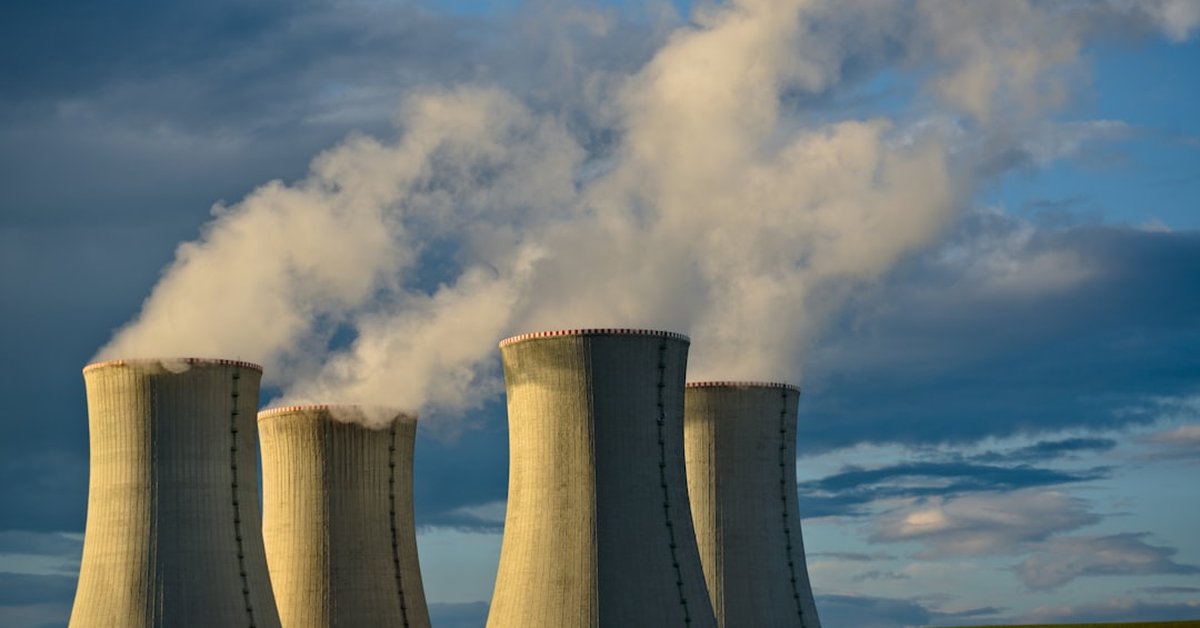
When the Palisades Nuclear Plant in Michigan shut down in 2022, the official line was simple: it wasn’t making enough money. Natural gas was cheap, renewables were flooding the grid, and a single-reactor plant built in the 1970s couldn’t compete. Two years later, the calculus has flipped. The Biden administration, desperate to meet climate targets and shore up baseload power, threw its weight behind a revival. The Department of Energy approved a $1.5 billion loan to restart Palisades—the first-ever U.S. attempt to reopen a shuttered commercial reactor. But here’s the problem nobody talked about in the press conferences: a nuclear plant that sits cold for two years doesn’t just wake up. It decays. And the bill for that decay is coming due.
The Palisades restart effort, led by Holtec International, has hit a wall of corroded pipes, frozen valves, and missing documentation. According to filings with the Nuclear Regulatory Commission, the company has discovered that critical components—from backup diesel generators to cooling water pumps—have deteriorated far faster than models predicted. What was supposed to be a two-year, $2 billion resurrection now looks like a four-year slog with an unknown price tag. This isn’t just a Michigan problem. It’s a warning for every country counting on nuclear restarts to close the gap between fossil fuels and a clean grid.
The Rust Doesn’t Sleep: What Two Years of Idle Does to a Reactor
Nuclear plants are designed to run hot and pressurized for decades. The moment you shut them down, the physics of neglect takes over. At Palisades, inspectors found that rubber seals in the reactor coolant system had dried out and cracked. Electrical insulation in control room panels had become brittle. Underground pipes—the kind that carry essential cooling water from Lake Michigan—had corroded internally from stagnant water sitting in them for months.
Holtec’s own assessment, shared with the NRC in late 2024, identified over 1,200 individual equipment issues requiring remediation. Some are straightforward: replace a gasket, recalibrate a sensor. Others are existential. The plant’s main transformer, a custom-built unit weighing 300 tons, showed signs of winding degradation that could require a full replacement. And here’s the kicker: the original manufacturer no longer makes that model. Holtec is now hunting for a bespoke rebuild or a retrofit from a different supplier—neither of which comes cheap or fast.
Compare this to a recent weather event that also tested infrastructure limits. When Typhoon Noul slammed southern China with unprecedented speed, emergency crews found that drainage systems designed for 50-year storms had clogged within hours. The parallel is uncomfortable but real: both cases involve systems built for one era facing conditions—or in Palisades’ case, neglect—they were never designed to handle.
The Missing Blueprints Problem
Here’s something the public rarely hears about nuclear restarts. When a plant shuts down, the team that knows how every valve and wire works disperses. Engineers retire. Technicians take jobs at other plants or leave the industry entirely. The institutional knowledge—the stuff that lives in people’s heads, not in binders—evaporates.
Holtec has acknowledged that key documentation for Palisades is incomplete. Some original design drawings from the 1970s were stored on microfilm that degraded. Others were simply lost during the plant’s transition from previous owner Entergy to Holtec. The NRC requires that every modification to a nuclear plant be traceable back to original design basis documents. Without those papers, you can’t prove a new part will work safely. So Holtec has had to reverse-engineer certain systems—essentially tearing them apart to figure out how they were built in the first place.
This isn’t unique to nuclear. Look at what happened during the Bordeaux wildfires when evacuees found that emergency evacuation routes had been altered without updated maps. The same failure mode—assuming the old plans still hold—creates risk in very different domains. The lesson: documentation isn’t bureaucracy. It’s survival.
What This Means for the Nuclear Revival Dream
The Palisades restart is being watched closely by utilities in Japan, South Korea, and Europe, all of which have idled reactors they’d like to bring back online. But the cost overruns here are already staggering. The original $2 billion estimate assumed that most equipment could be refurbished in place. Now, with replacement parts requiring custom fabrication and extended outages, analysts at the Institute for Energy Research project the final tab could exceed $4 billion. That’s more than building a new small modular reactor—and with less certainty about long-term operation.
For ratepayers, the implications are immediate. Michigan’s utility consumers are already seeing surcharges tied to the restart effort. If costs spiral further, those surcharges will climb. And if the plant fails to restart at all—a scenario Holtec insists is unlikely but hasn’t ruled out—the money spent so far becomes a sunk cost with zero power delivered.
There’s also a climate angle here that’s easy to miss. Every year Palisades stays offline, Michigan’s grid relies more on natural gas plants that were scheduled for retirement. The state’s carbon emissions, which had been falling, ticked up 4% in 2024 according to the Michigan Department of Environment, Great Lakes, and Energy. Restarting a nuclear plant is supposed to reduce emissions. But if the restart itself requires massive concrete and steel for replacement parts—and delays push the plant’s return past 2028—the net carbon benefit starts to look thin.
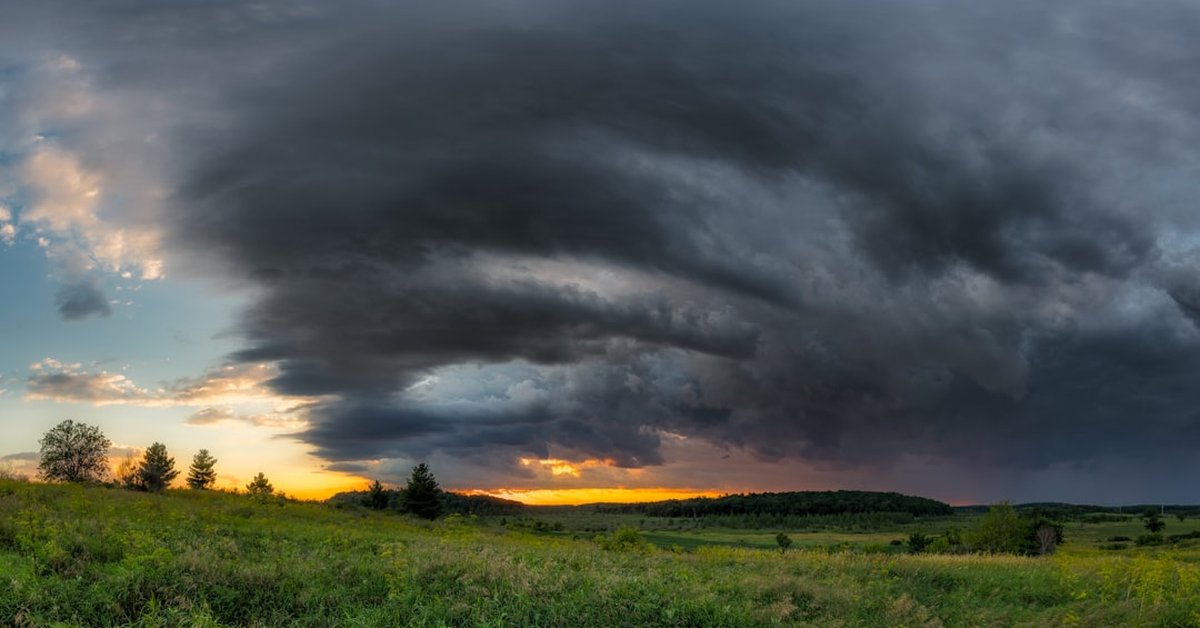
Perhaps the most sobering comparison comes from the natural world. When a shelf cloud rolled over Athens last summer, it turned the sky into a wall—a stunning visual that also carried a warning about how quickly conditions can shift. Nuclear restarts face the same dynamic. The moment you think you’ve got a handle on the decay, something else surfaces. A corroded pipe here. A missing blueprint there. Each discovery pushes the timeline further out and the price tag higher.
None of this means Palisades will fail. Holtec has deep pockets and political backing. But the episode is a reality check for anyone who thought restarting a nuclear plant was like flipping a switch. It’s more like rebuilding a ship while it’s still underwater—and hoping the hull holds.
Frequently Asked Questions
Why can’t they just replace old parts with new ones?
Many components in a nuclear plant are custom-built to unique specifications. The original manufacturers have often gone out of business or stopped producing those models. Getting a replacement requires reverse-engineering the part, getting NRC approval for the new design, and then manufacturing it—a process that can take 18 months or more for critical items like main transformers.
Is restarting a nuclear plant cheaper than building a new one?
Initially, yes—that was the assumption. But Palisades is showing that the gap narrows fast. The $2 billion estimate has already doubled, and if it hits $4 billion, that’s comparable to the cost of building a new small modular reactor, but with an older plant that has fewer operating years left.
Could this happen to other shuttered reactors?
Absolutely. The same issues—equipment degradation, lost documentation, workforce dispersion—apply to every idle nuclear plant. Japan has 17 reactors in restart limbo, and several have faced similar corrosion and documentation surprises. The Palisades experience will likely become a case study for how to—or how not to—approach these projects in the future.