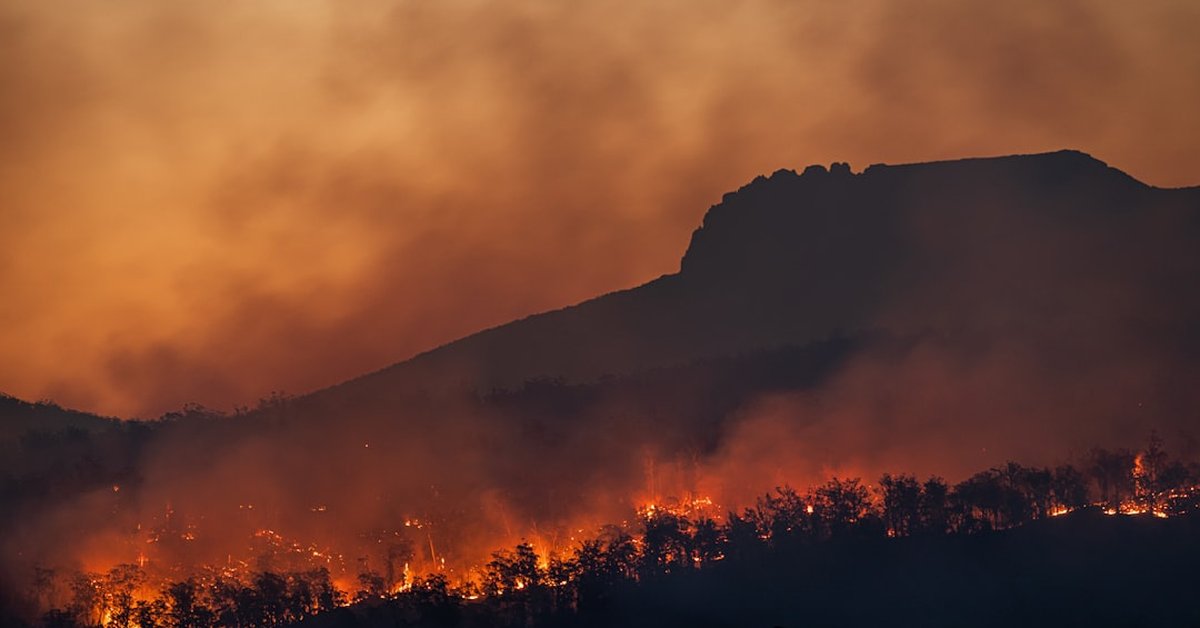







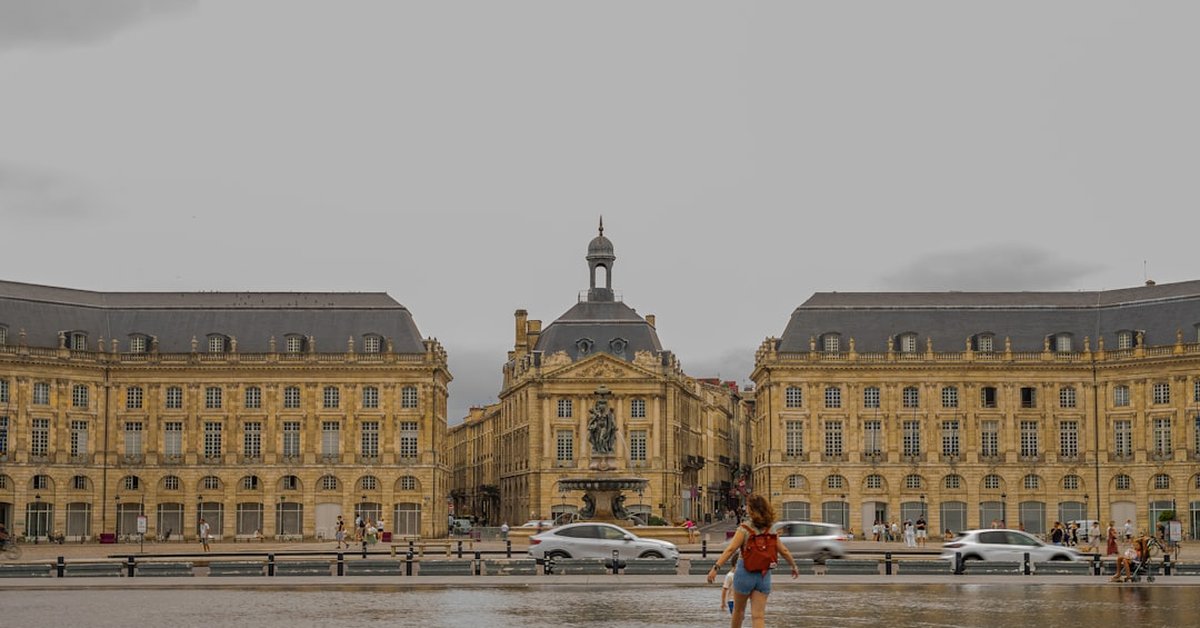
Most people picture Bordeaux and think of vineyards, châteaux, and calm afternoons sipping Merlot. But right now, the city is a staging ground for thousands fleeing flames that have already charred more than 7,000 hectares of pine forest in the Gironde department. The fire isn’t just destroying trees — it’s tearing apart lives, homes, and the fragile sense of security that comes with living in one of France’s most picturesque regions.
Since July 12, two separate wildfires — one near the town of Landiras, another in the La Teste-de-Buch area near the Dune du Pilat — have forced over 14,000 people to evacuate. Many have found shelter in Bordeaux, a city of 260,000 that now hosts an uneasy population of evacuees. They’re balancing dread — the fear of losing everything — with a fragile hope that the fire crews, bolstered by reinforcements from across Europe, can turn the tide.
The Scene in Gironde
The numbers are staggering. As of July 18, the fires have consumed 13,000 hectares (about 32,000 acres) — an area larger than the city of Paris. More than 1,200 firefighters, 10 water-bomber aircraft, and a fleet of bulldozers are battling the blaze. But the fire is moving fast, driven by temperatures exceeding 40°C (104°F) and winds that gust unpredictably.
“The fire is not yet under control,” said a spokesperson for the Gironde prefecture in a public briefing. Roads have been closed, campsites destroyed, and entire neighborhoods in towns like Cazaux and Belin-Béliet emptied. The Dune du Pilat, Europe’s tallest sand dune and a major tourist attraction, is now an evacuation zone. The smoke plume is visible from Bordeaux, 50 kilometers away.
This is not a one-off event. France has seen a sharp increase in large wildfires over the past decade, a trend meteorologists link to hotter, drier summers. But the speed of this fire is unusual — it advanced 10 kilometers in a single night, according to satellite data from the European Forest Fire Information System.
Evacuees: A Balance of Dread and Hope
In the shelters — school gyms, conference centers, and even a converted IKEA — the mood is tense. Families sit on cots, clutching pets and phones, refreshing the official fire maps every few minutes. “I couldn’t bring anything,” said a mother of two from La Teste-de-Buch, her voice shaking in an interview with France 3. “I just grabbed the kids and the dog. We don’t know if our house is still there.”
But there are also moments of resilience. Volunteers have organized meals, donated clothes, and set up play areas for children. The hope is that the fire will be contained before it reaches the villages that have been evacuated. “We have to believe it will be okay,” said another evacuee, an elderly man from Belin-Béliet. “What else can we do?”
This psychological toll — balancing dread and hope — is familiar to anyone who has faced a natural disaster. It’s a theme we’ve seen before, even in vastly different contexts. Compare it to the residents of southern China preparing for Typhoon Noul, a storm of unusual speed and rising stakes, where the same mix of fear and hope played out. Or consider the financial stress that follows a disaster — one reason why proactive investments in infrastructure matter, like the $43 million Mamdani donation targeting NYC flood prevention. In both cases, the lesson is clear: preparation can reduce the dread, but it can’t erase it entirely.
What This Means for the Region
The immediate economic impact is severe. The Gironde region is a major producer of wine, timber, and tourism. The vineyards near Landiras have been spared by wind shifts, but the smoke damage could affect next year’s harvest. The campsites near the Dune du Pilat are destroyed, and the summer tourism season — normally a peak — is in ruins. Local officials estimate the total damage could exceed €200 million.
But there’s a longer-term concern. The fire is burning through the Landes forest, a massive plantation of maritime pine that is a key carbon sink for France. Reforesting 13,000 hectares will take decades. Meanwhile, the soil is left vulnerable to erosion, and the next storm could bring flash floods and mudslides — a double blow that residents will have to face.
And then there’s the human cost. The evacuation itself is stressful, but the return is often worse. Many evacuees will find their homes reduced to ash and rubble. Those who survive will face months of insurance claims, rebuilding, and trauma. Mental health services are already being mobilized, according to the French Red Cross.
The Bigger Picture: Wildfires in a Warming World
This fire is not an anomaly — it’s a symptom. Europe is warming faster than the global average, and the Mediterranean basin is becoming a tinderbox. In 2022, the EU recorded the second-worst wildfire season on record, with over 1 million hectares burned. France alone saw 72,000 hectares go up in smoke — more than triple the previous decade’s average.
Scientists at Météo-France have warned that by 2050, the number of high-risk fire days in southern France could increase by 30%. The fire season is also starting earlier and ending later. This year, the first major fire in the Gironde broke out in May, an “unprecedented” event according to local authorities. The current fire is the second wave.
So what can be done? Better forest management, controlled burns, and stricter building codes in fire-prone areas. But the most effective measure is also the most difficult: reducing greenhouse gas emissions. Until that happens, the people of Bordeaux and similar regions will keep living on the edge — balancing dread and hope, year after year.
Frequently Asked Questions
Is the Bordeaux fire under control?
As of July 18, the fire is not fully contained. Firefighters are making progress on the Landiras front, but the La Teste-de-Buch fire is still spreading. More than 1,200 personnel are on the ground, and reinforcements have arrived from Italy, Germany, and Spain.
How long will the evacuation last?
Officials have not given a timeline. Evacuation orders remain in place for several towns. Residents are advised to stay away until the fire is declared under control. In some areas, that could take weeks, especially if the weather remains hot and dry.
What should I do if I’m in the affected area?
Follow instructions from local authorities. If you are in an evacuation zone, leave immediately. Close all windows and doors, turn off gas, and take essential documents, medication, and pets. Monitor official channels like the Gironde prefecture’s Twitter feed or the French government’s weather alert system.